

Recipe of the Day
Discover a New Recipe Every Day. Give Back With Every Bite.
Every day, we feature a hand-picked recipe for you to discover, cook, and share. The best part?
Every recipe you read helps feed the hungry.

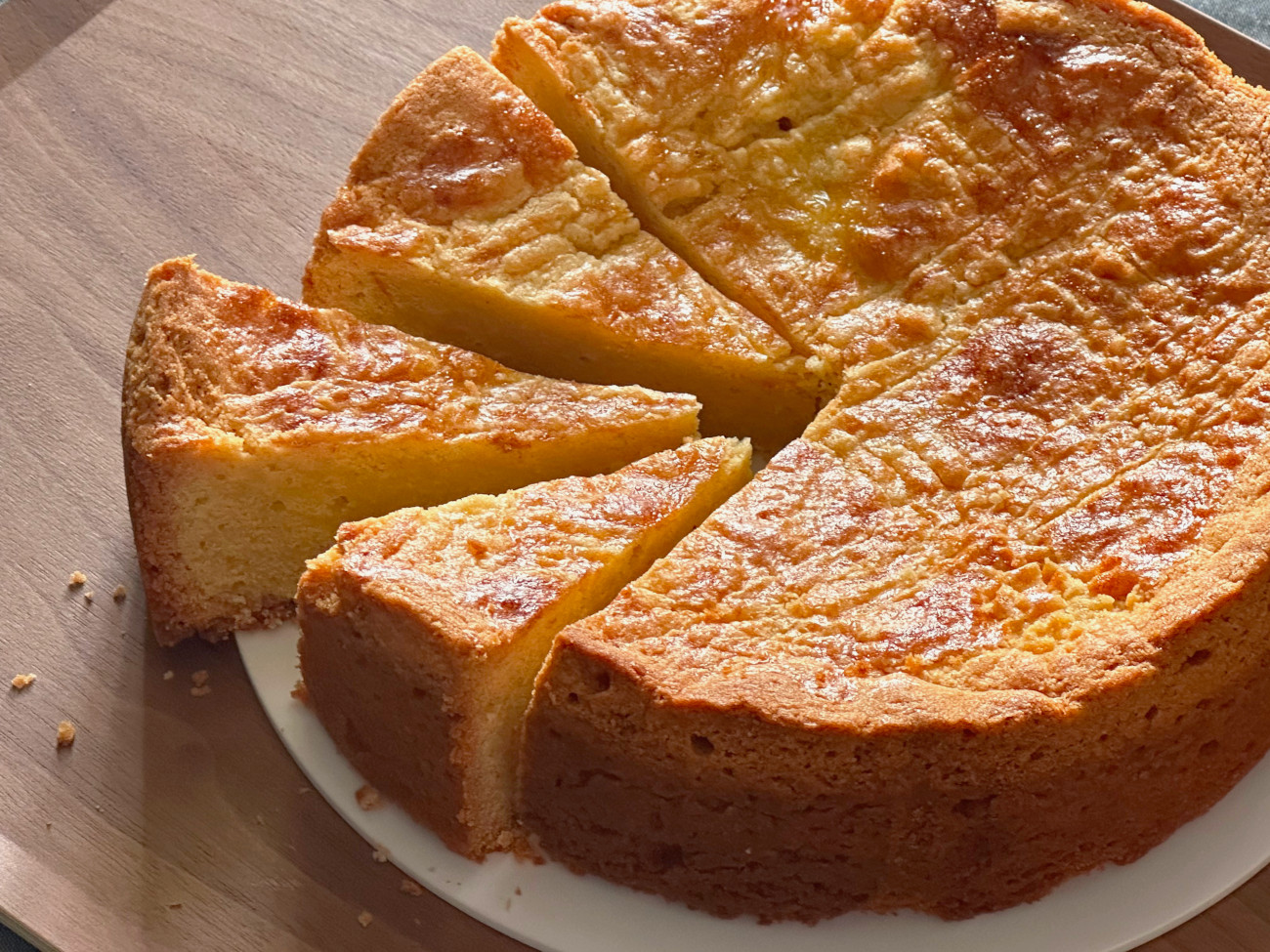
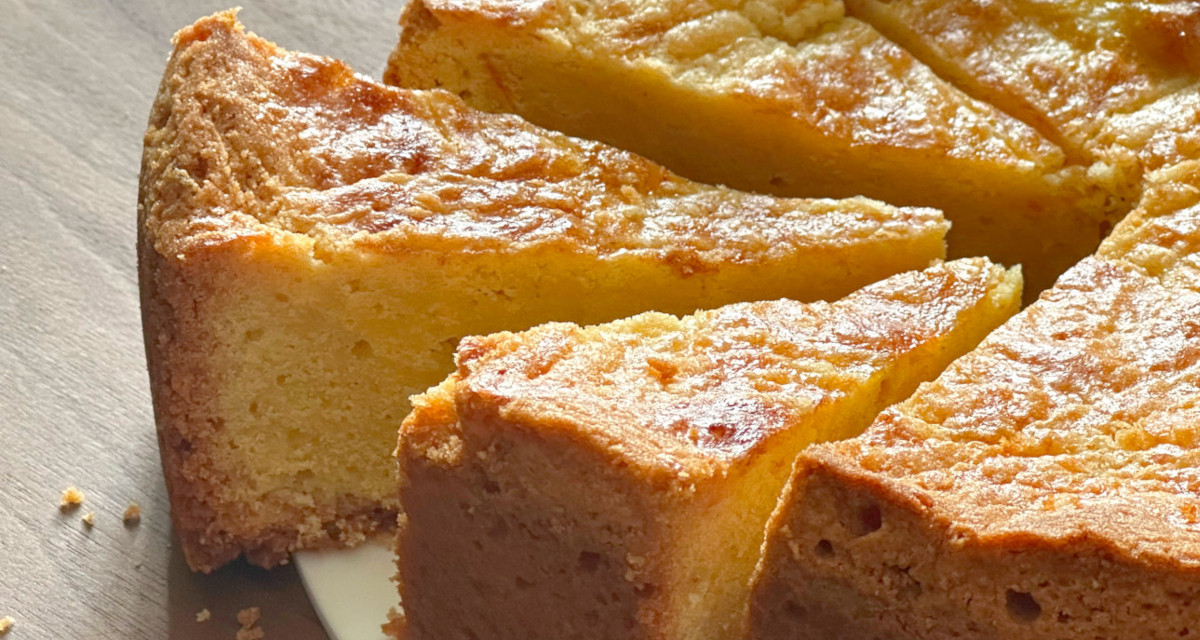
In a world of desserts piled with decked-out glam toppings, some of the frosting-less desserts get forgotten. Luckily, this Dutch Butter Cake is not lost to the wayside. This classic Dutch snacking cake has almost equal amounts by weight of butter to flour, making it a hybrid between a shortbread and a cake. A distinct crosshatched pattern on top gets an egg wash, creating a unique appearance.
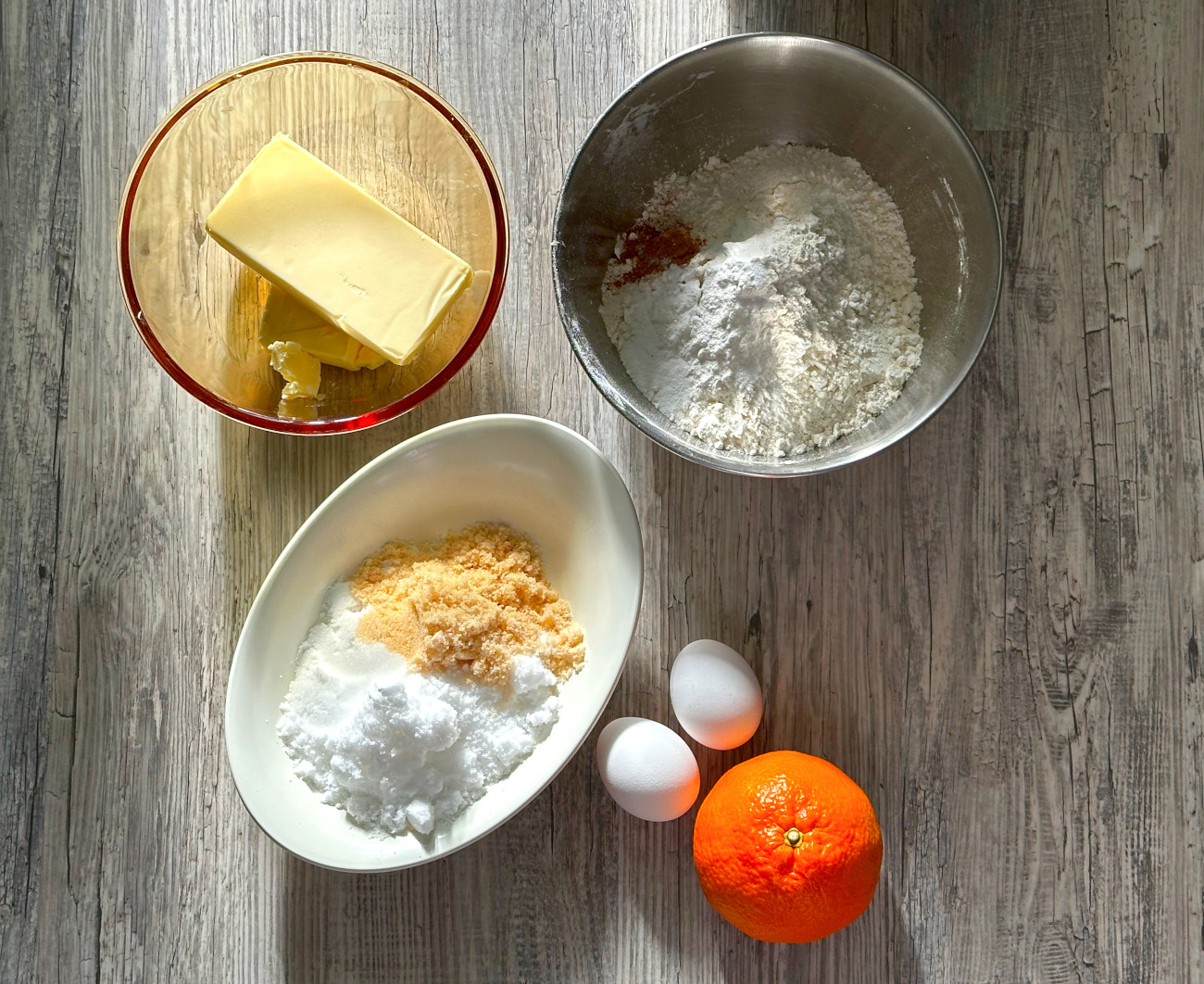
Dutch Butter Cake, called boterkoek in Dutch, is full of ingredients that we’re all familiar with. Traditionally, it’s baked in its own special boterkoekvorm (or butter cake pan), but modern springform pans or cake pans are used for this cake recipe.
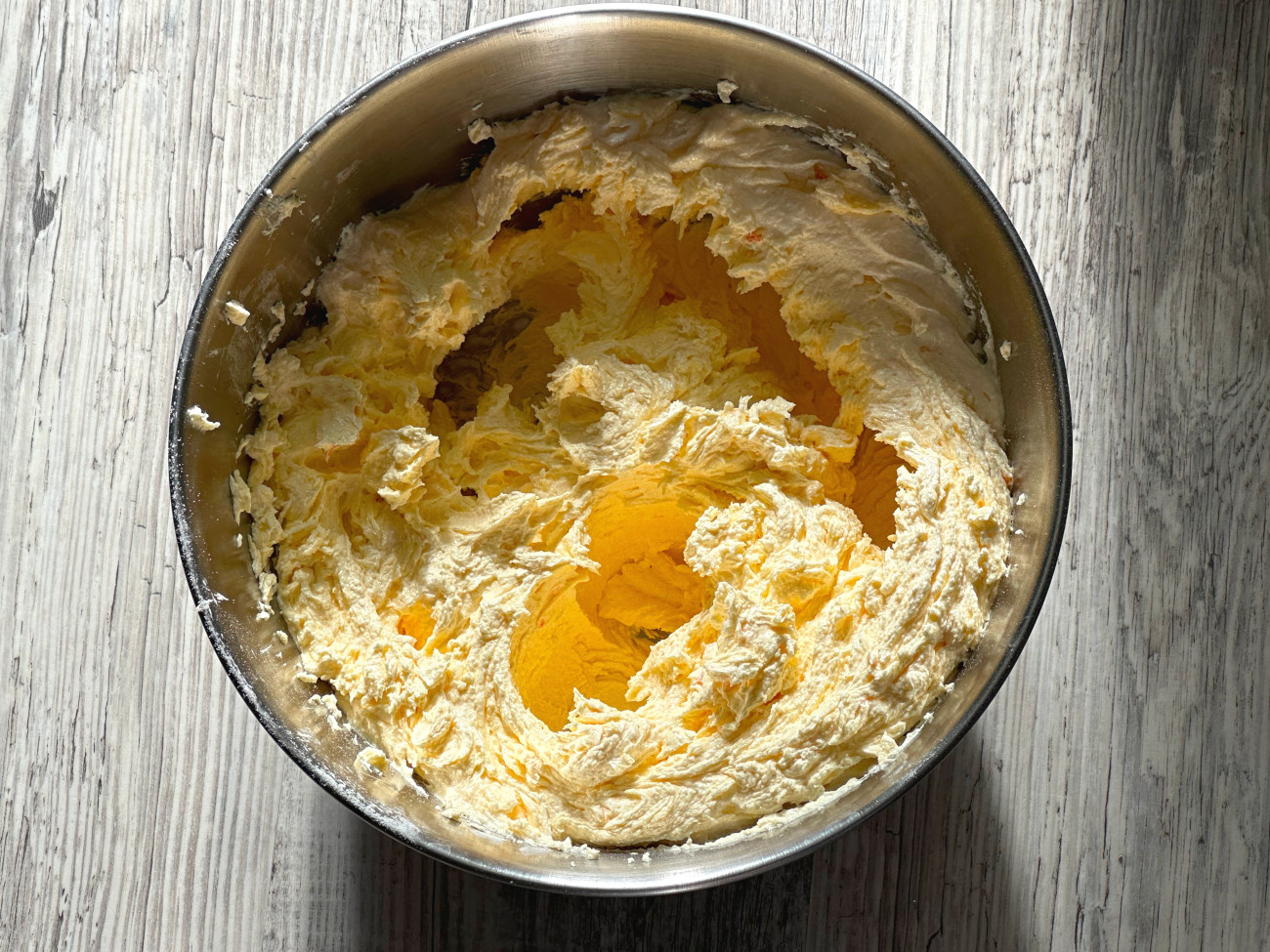
After combining the flour, salt, and nutmeg in one bowl, beat the butter, sugars, and orange zest in another bowl. Here, I chose orange zest, but you can also use lemon zest as well.
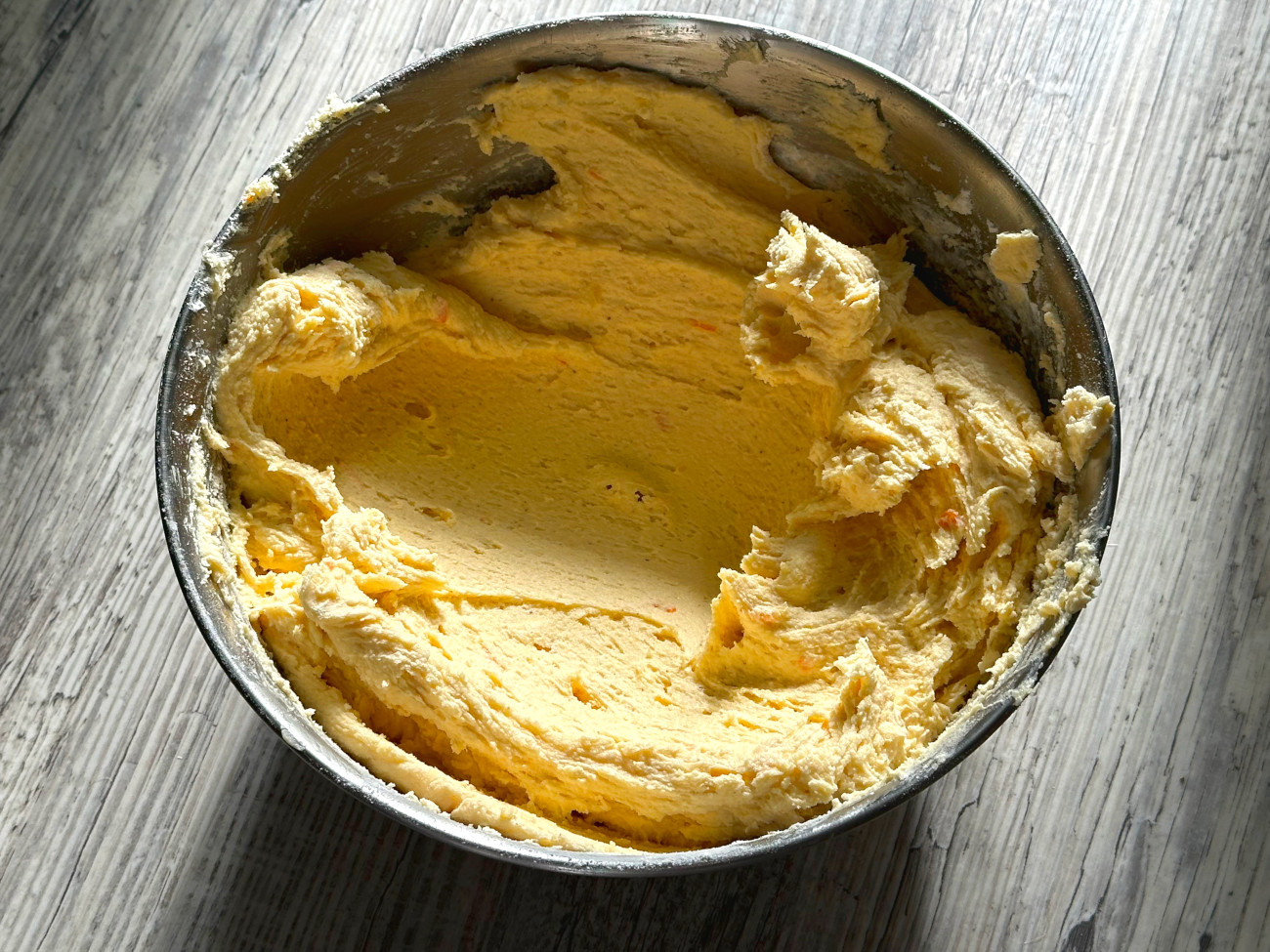
Once beaten, add the egg, egg yolk, and vanilla until well combined.
Gradually add the dry ingredients. Once all mixed together, the batter will be very thick!
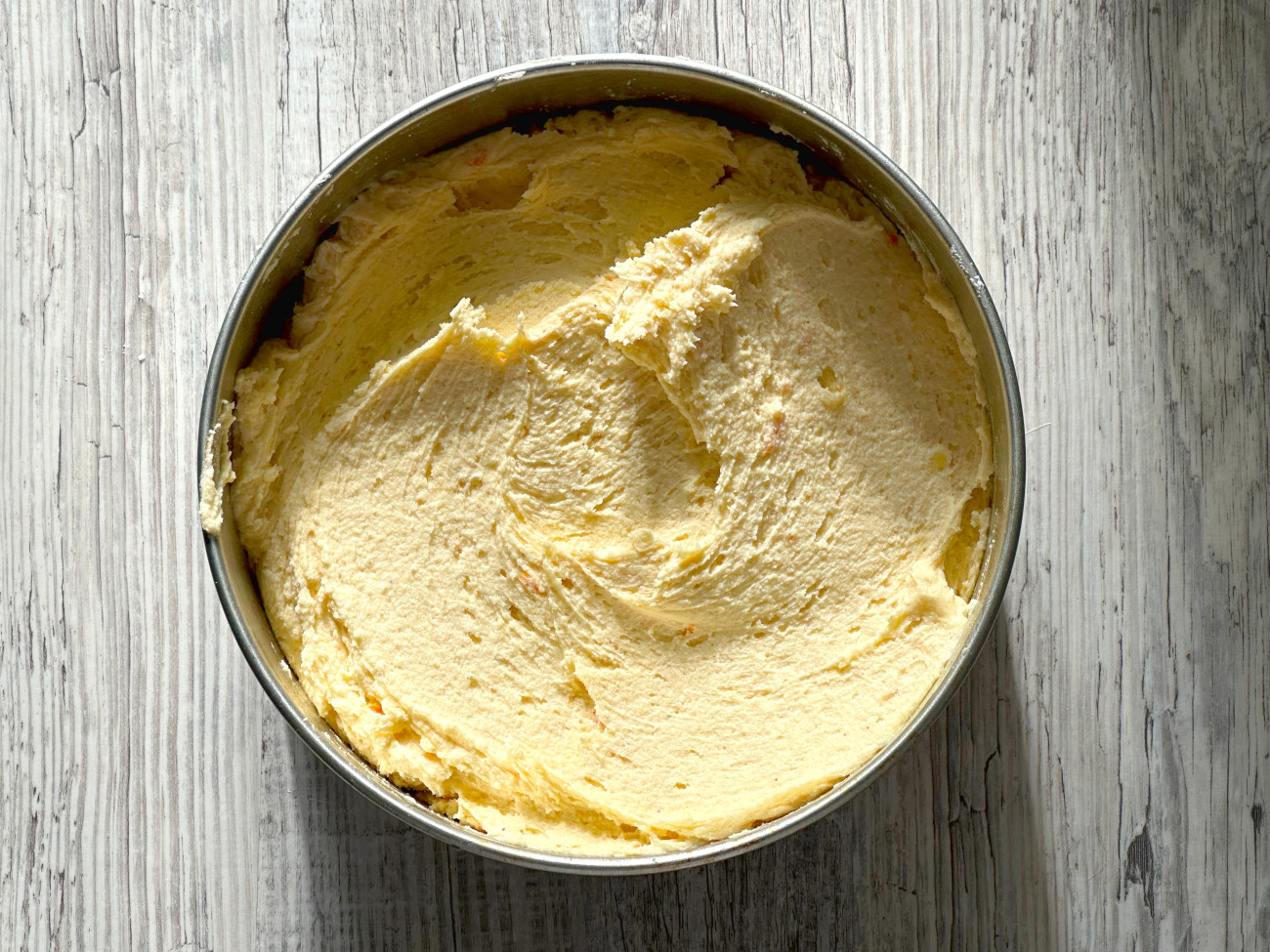
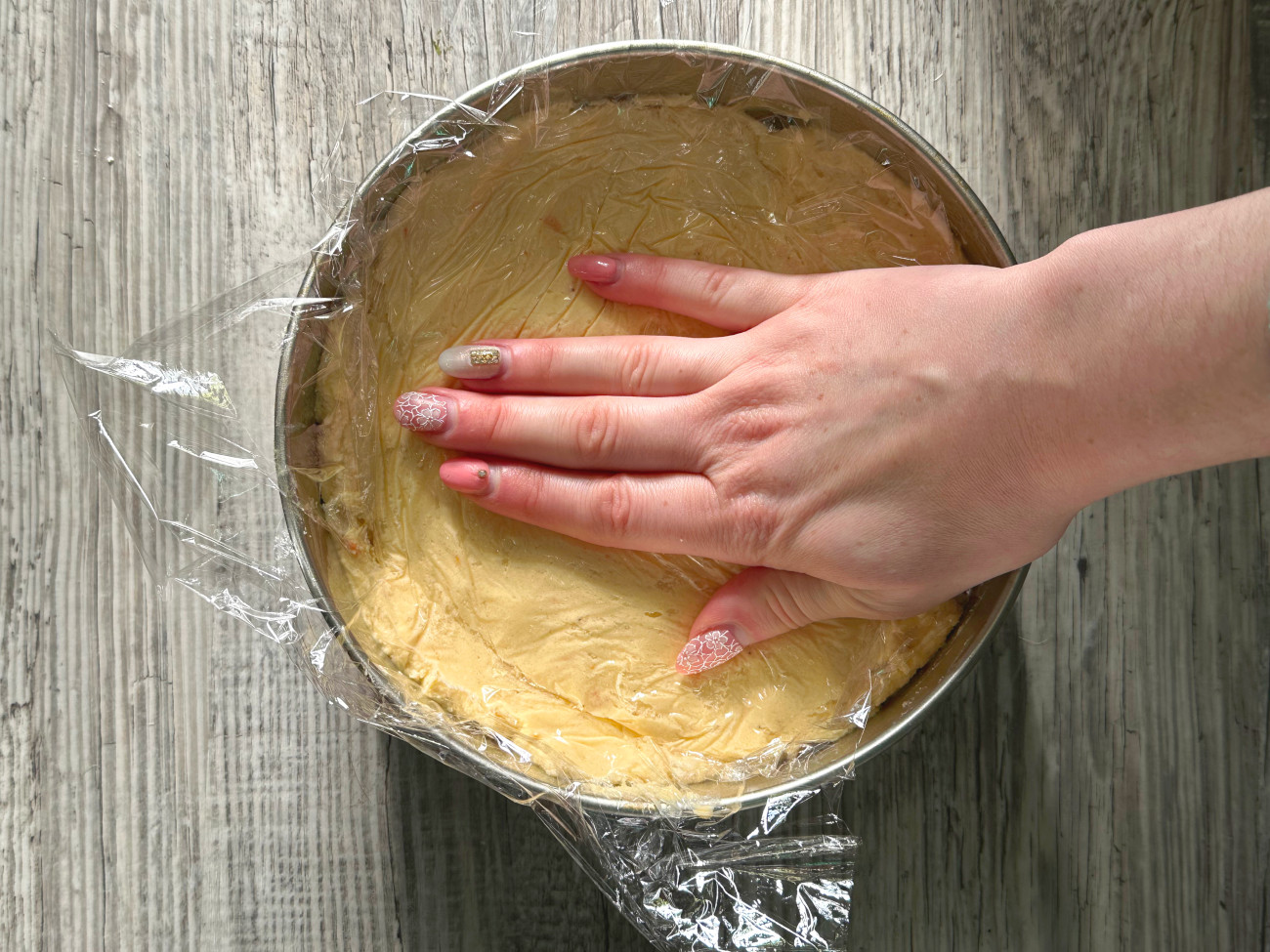
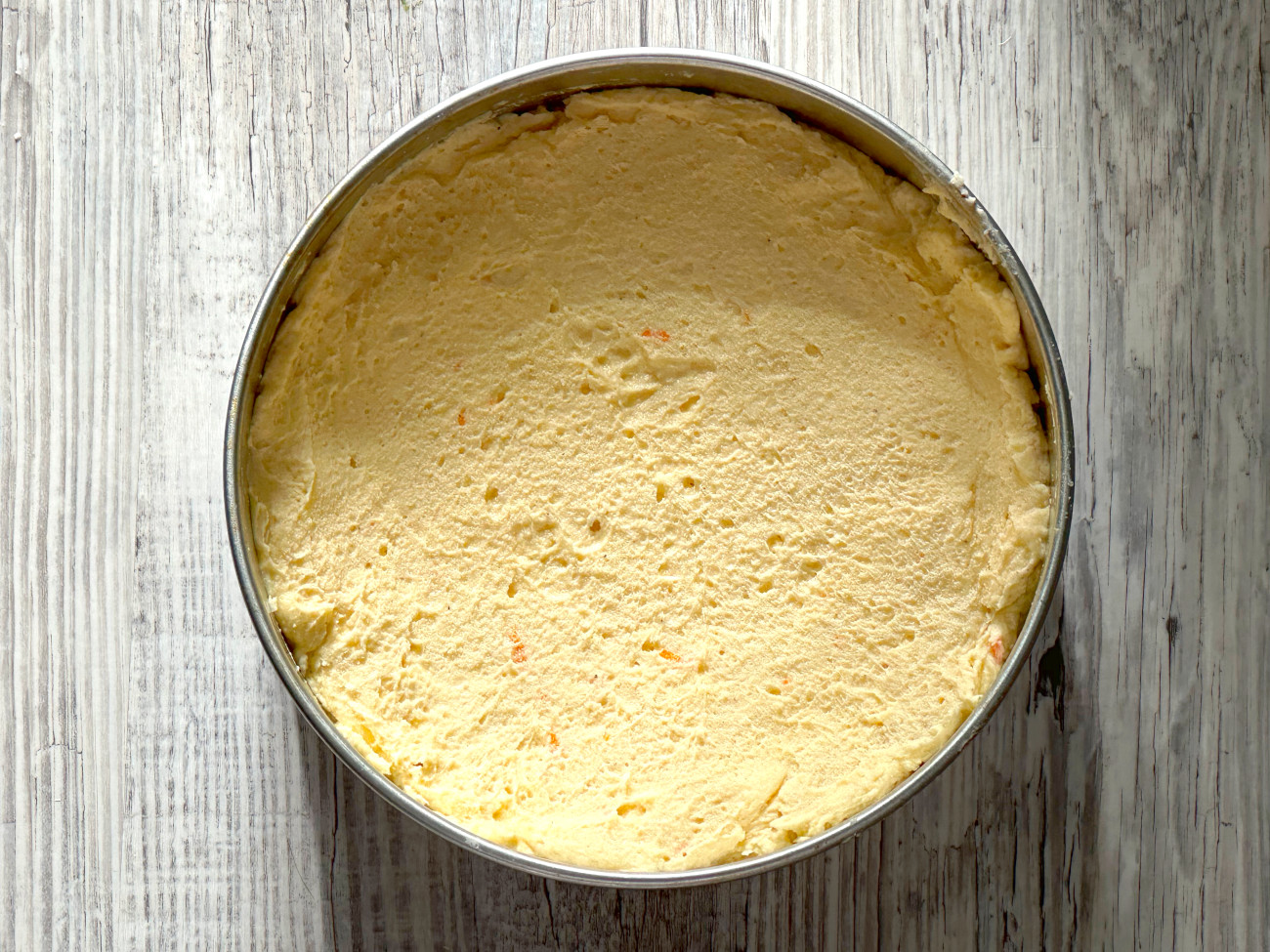
Spread the batter into the prepared pan. For an even surface, cover the dough with plastic wrap and smooth down the surface.
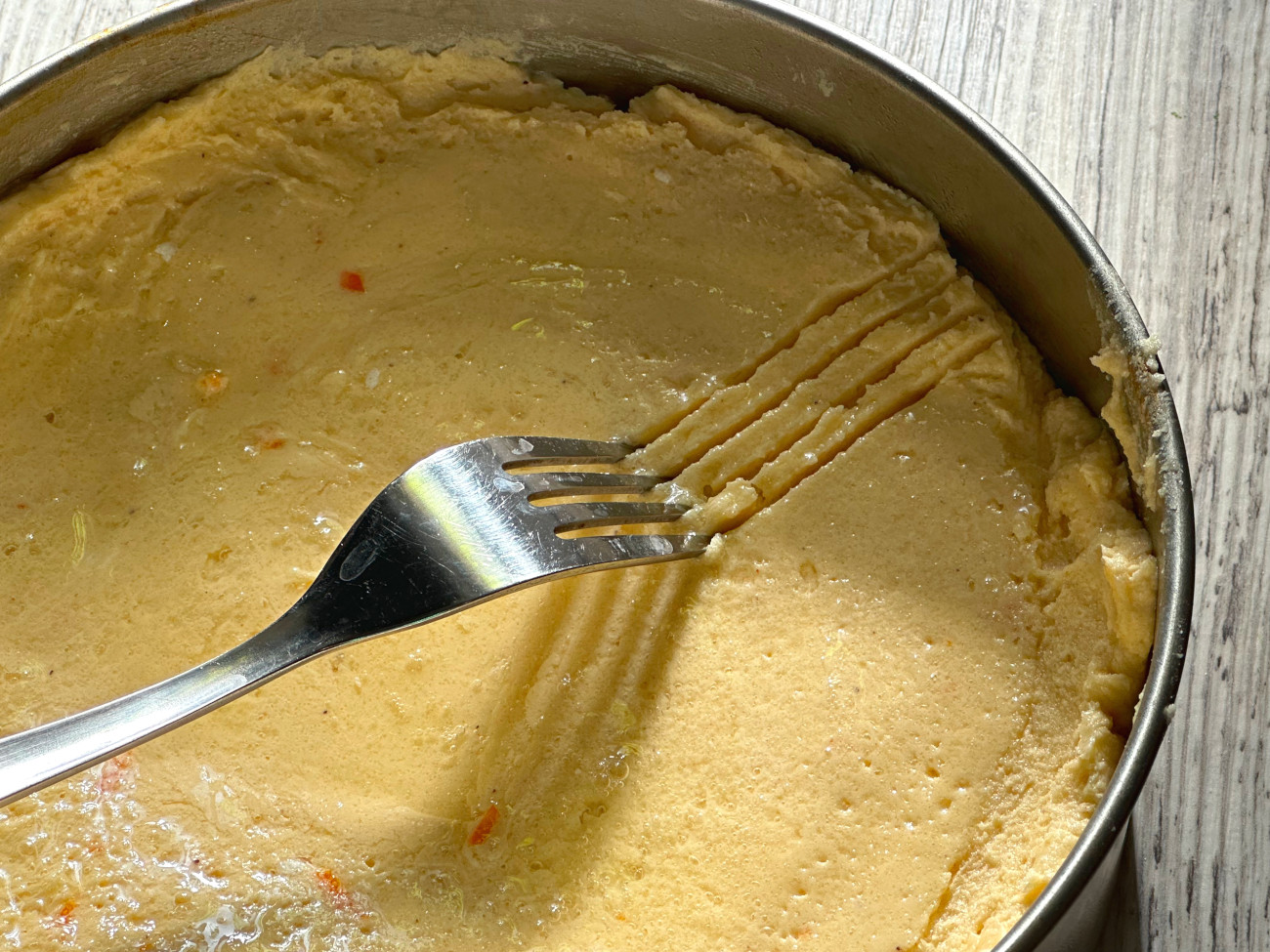
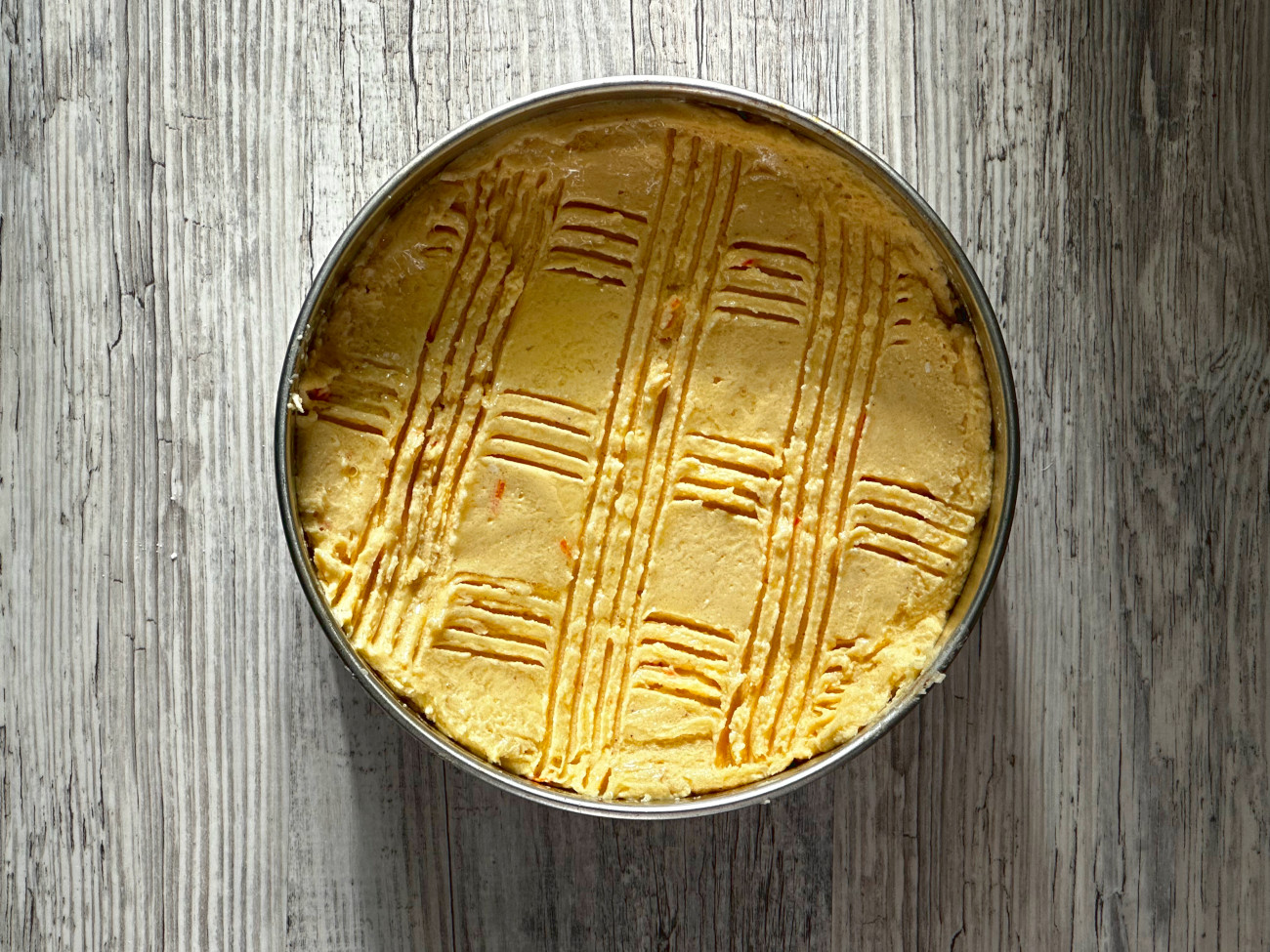
Brush on the egg white and then use a fork to draw a crosshatch pattern onto the surface.
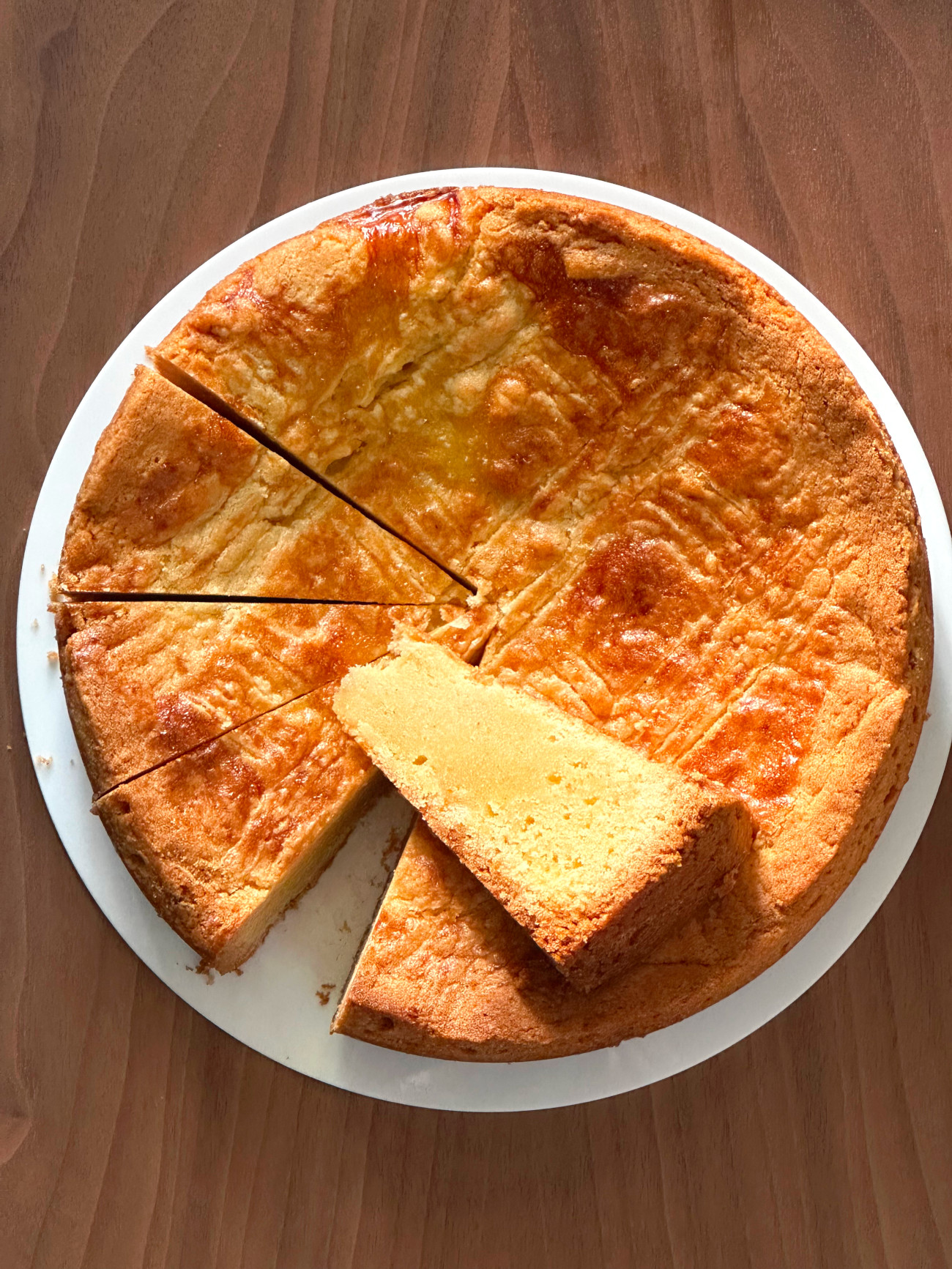
This cake only needs twenty-five to thirty minutes in a hot oven before it’s done. Let the cake cool for several minutes before transferring it onto a serving platter.
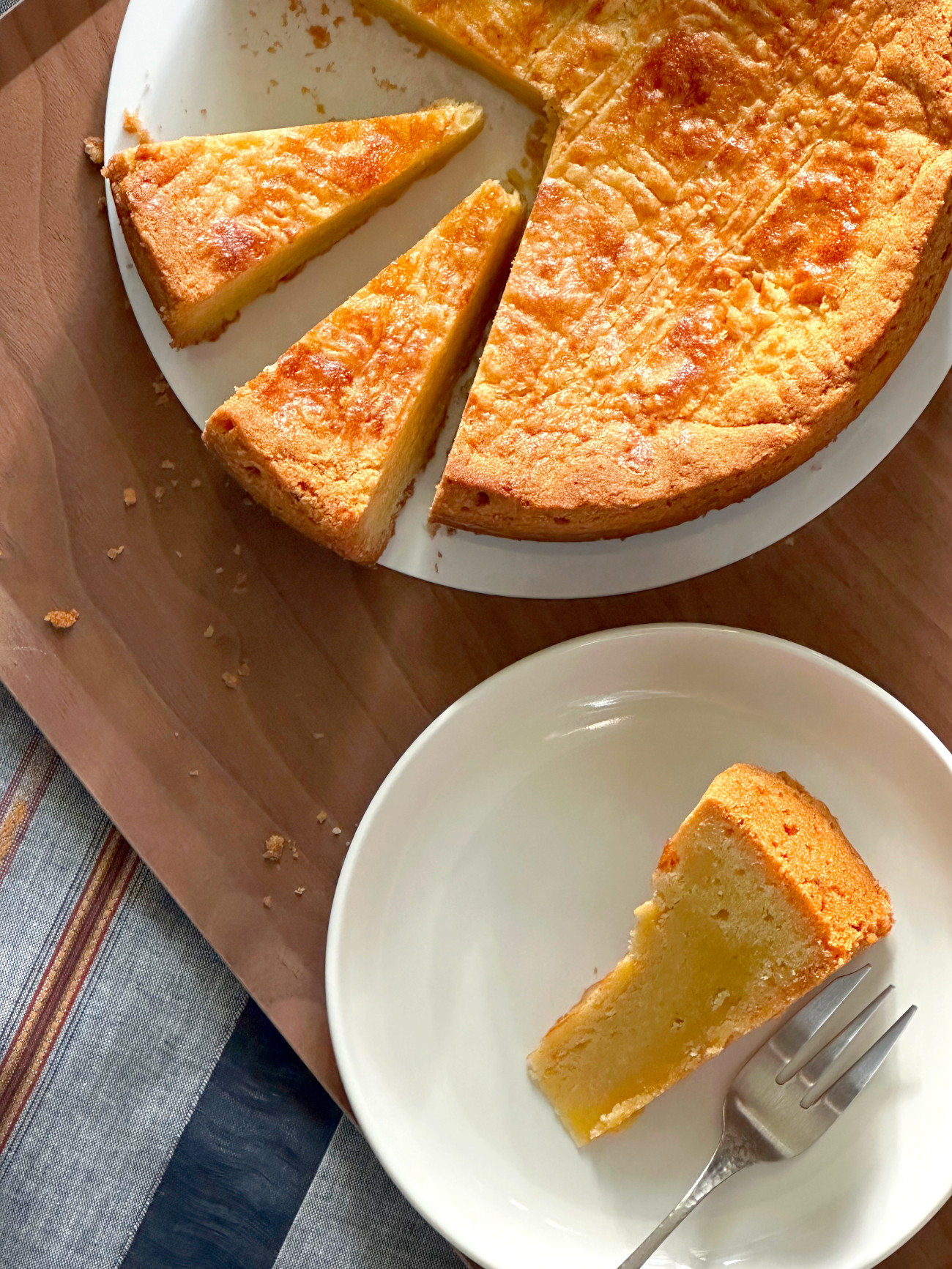
Dutch Butter Cake has the fusion of several desserts all in one. Part tart, part shortbread, and part cake, the texture is crumbling, but tender, chewy, but melt-away delicate. The simple batter lets the flavors of the orange and vanilla shine through.
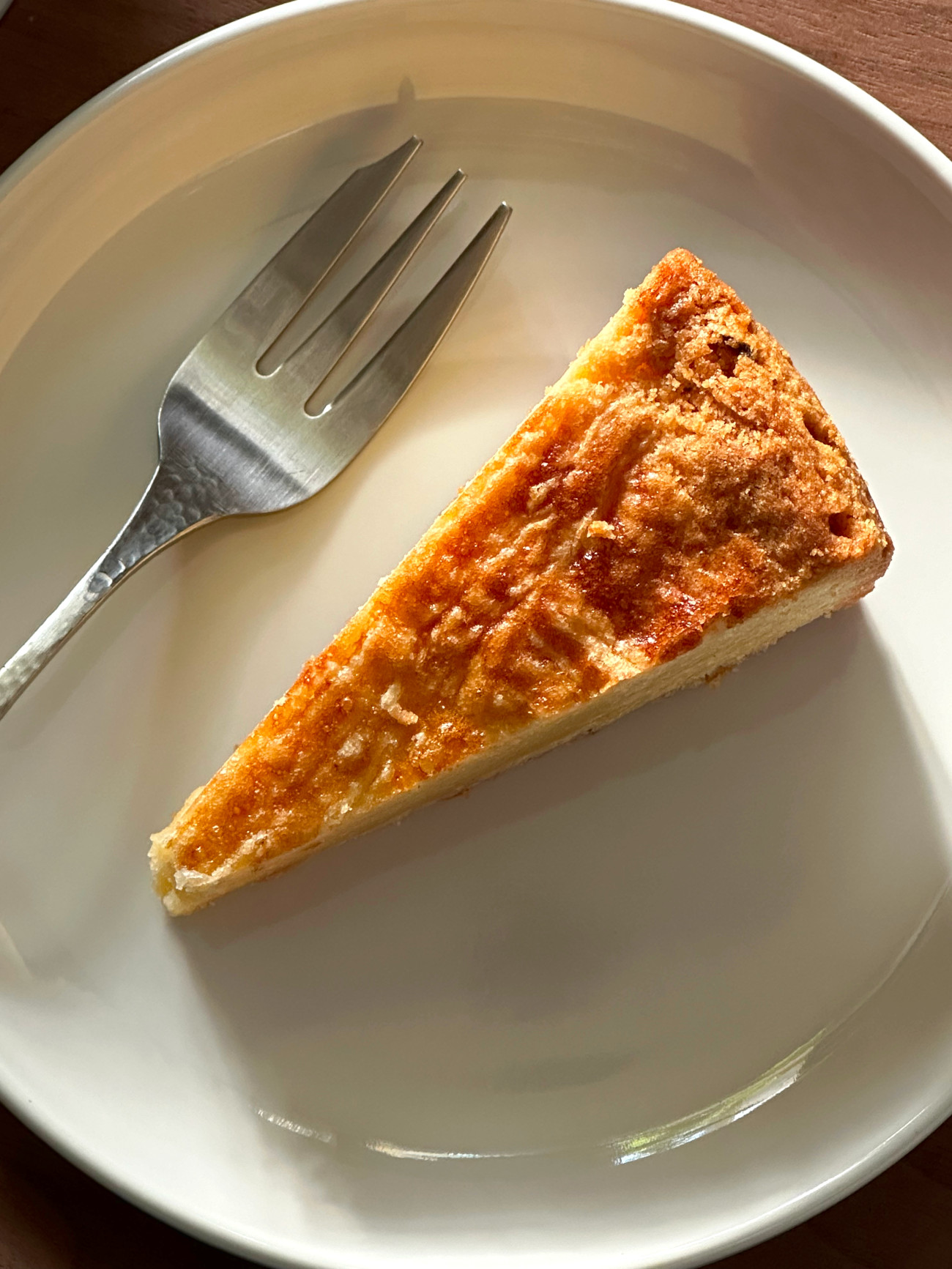
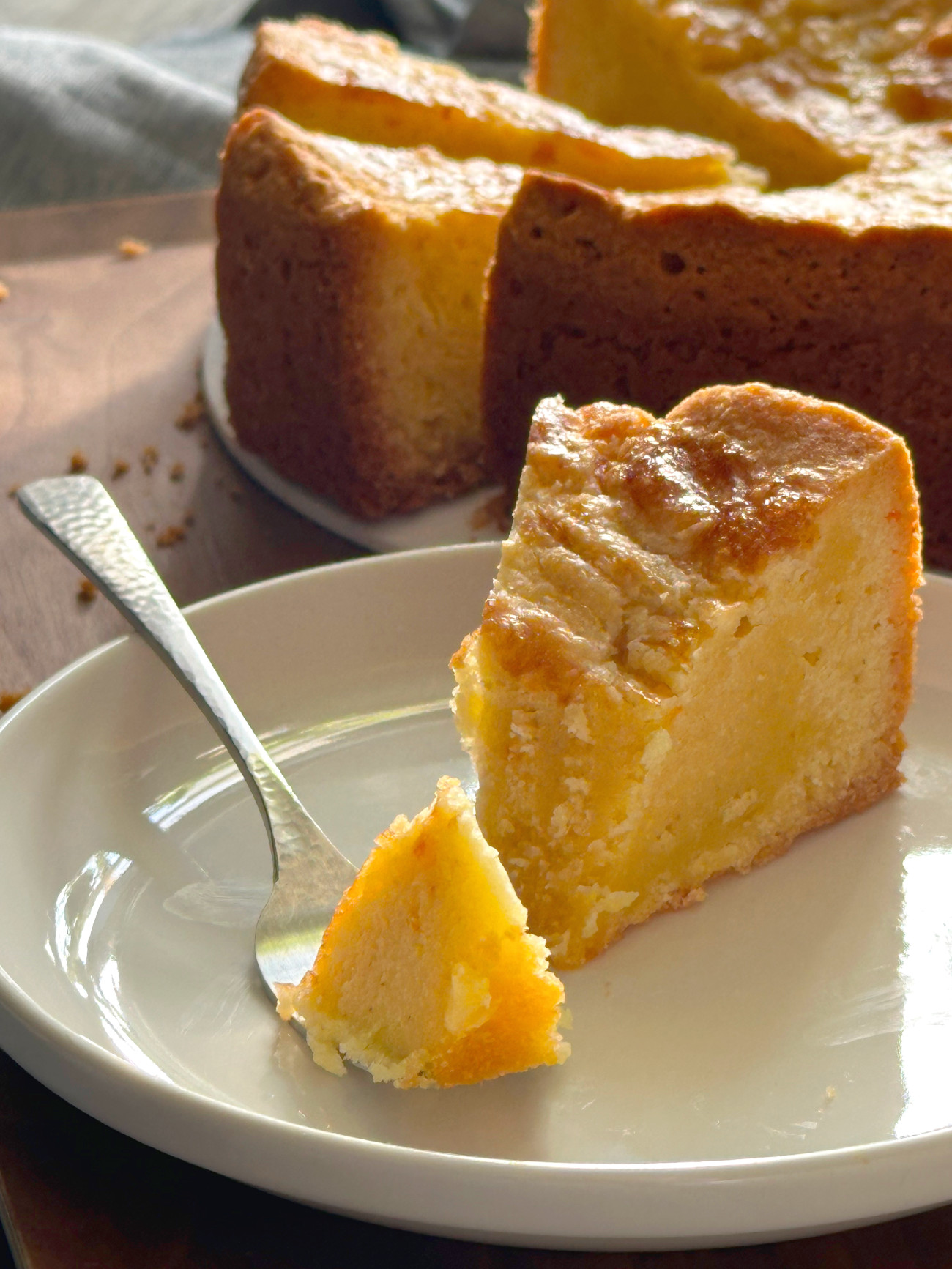
This not too sweet, but oh-so satisfying dessert will have you eating with every cup of tea and coffee. It’s just enough to quell the day and not neutral enough to not give you a toothache. Dutch Butter Cake is a seasonless staple that you can bake up and enjoy any time of year.
Dutch Butter Cake
Ingredients
- 2 3/4 cups all-purpose flour
- 1 teaspoon fine salt
- 1/4 teaspoon ground nutmeg
- 1 1/2 cups unsalted butter, softened
- 1 1/4 cups granulated sugar
- 1/4 cup packed light brown sugar
- 2 teaspoons orange zest
- 1 large egg, room temperature
- 1 large egg yolk, room temperature
- 1 1/2 teaspoons vanilla extract
- 1 large egg white, lightly beaten
Preparation
- Preheat oven to 350°F and grease a 9-inch springform pan with baking spray and then line the bottom and sides for parchment paper, set aside.
- In a bowl combine the flour, salt, and nutmeg, set aside.
- In another bowl beat butter, granulated sugar, light brown sugar, and orange zest until smooth and well combined, about 3 to 4 minutes, scraping the bowl periodically.
- Add the egg and egg yolk until completely incorporated. Add in the vanilla.
- Gradually add in the dry ingredients, until just incorporated, the dough will be thick.
- Press the dough into the prepared pan. To make a smooth surface, use plastic wrap on top of the dough to evenly spread the dough to all parts of the pan. Discard plastic wrap after use.
- Brush top of cake with egg white.
- Using the tines of a fork, make crosshatch patterns in the dough.
- Bake until a toothpick comes out clean and it has a nice golden hue, about 25 to 30 minutes.
- Let cake rest for 5 minutes in the pan before removing it to cool on a wire rack.
Recipe adapted from Baked From Scratch.