
Impossible Meat: The History of Mock Foods in America

Nowadays impossible meat is the trending food. Vegetable protein dressed up as the real thing is all of the rage today, but have you heard of mock foods? Posing one ingredient for another isn’t new. This incognito food isn’t a trendy 21st-century invention, but in fact, has a long culinary history in America.
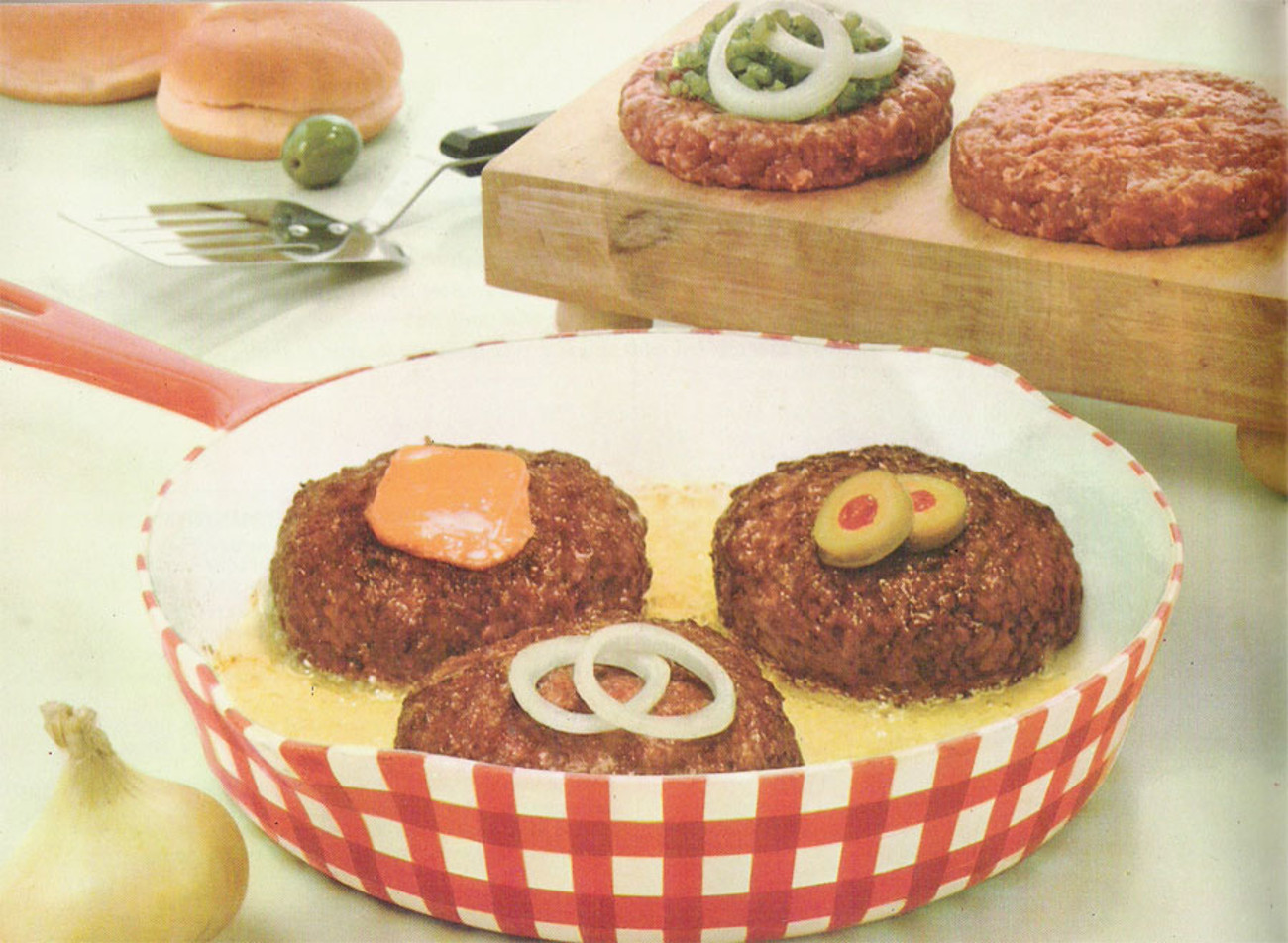
In the 18th-century mock recipes were commonplace. The term mock implies swapping out a primary ingredient for something different – usually with fewer or cheaper ingredients. The American colonies didn’t have access to the ingredients from the Old World and having to make do was a requirement. With the advent of more book publications, documentation of mock recipes flourished in the 19th-century. Macaroni, made famous by Thomas Jefferson, had a mock recipe by the early 1820s. Mock macaroni was crushed crackers soaked in milk, pressed into a pot, and baked in a fire.
Since meat was roasted, it was easy for 19th-century cooks to pass off cheaper cuts of meat as the real deal. Duck of this era was often not a duck. As mentioned by Lynne Oliver in the Oxford Companion of American Food and Drink, mock-duck was usually the shoulders and shanks of lamb and pork. Cooks were told to shape parts of the meat into the neck and bill to look more like a duck (391).
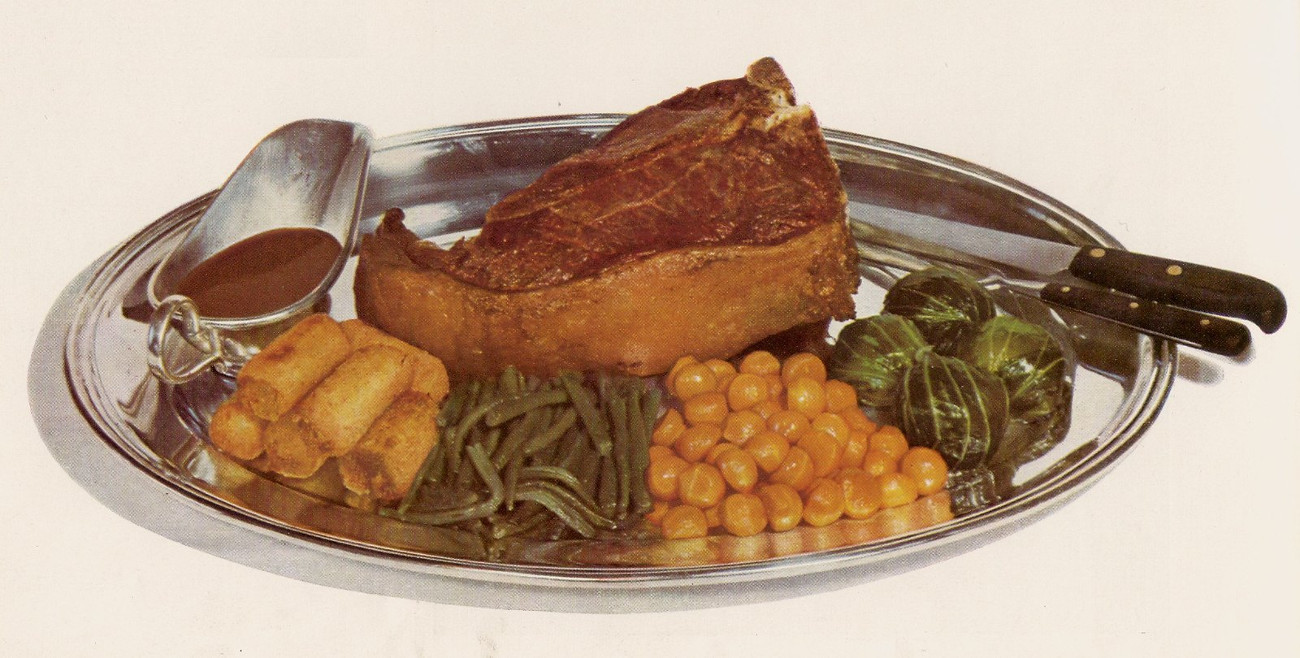
As the 20th-century rolled around, mock foods became less about luxury and more about necessity. The 1920s saw countless pamphlets with nifty ways to pinch pennies. Again, meat was seldom actually meat. A 1925 pamphlet showed almost all meat could be faked. Dress anything up in a deep-fried crust, the pamphlet implied, and no one would know it wasn’t meat, supposedly. To make mock chicken cutlets, the cook mixed peanuts and sweet potatoes together, forming a paste. They would then bread the patties and then fry them in oil. Corn fritters were passed off as fried oysters. Mock veal cutlets were made of baked lentils, peanuts, and graham cracker crumbs. The patties were again fried, but this time they were stewed with tomatoes and black pepper.
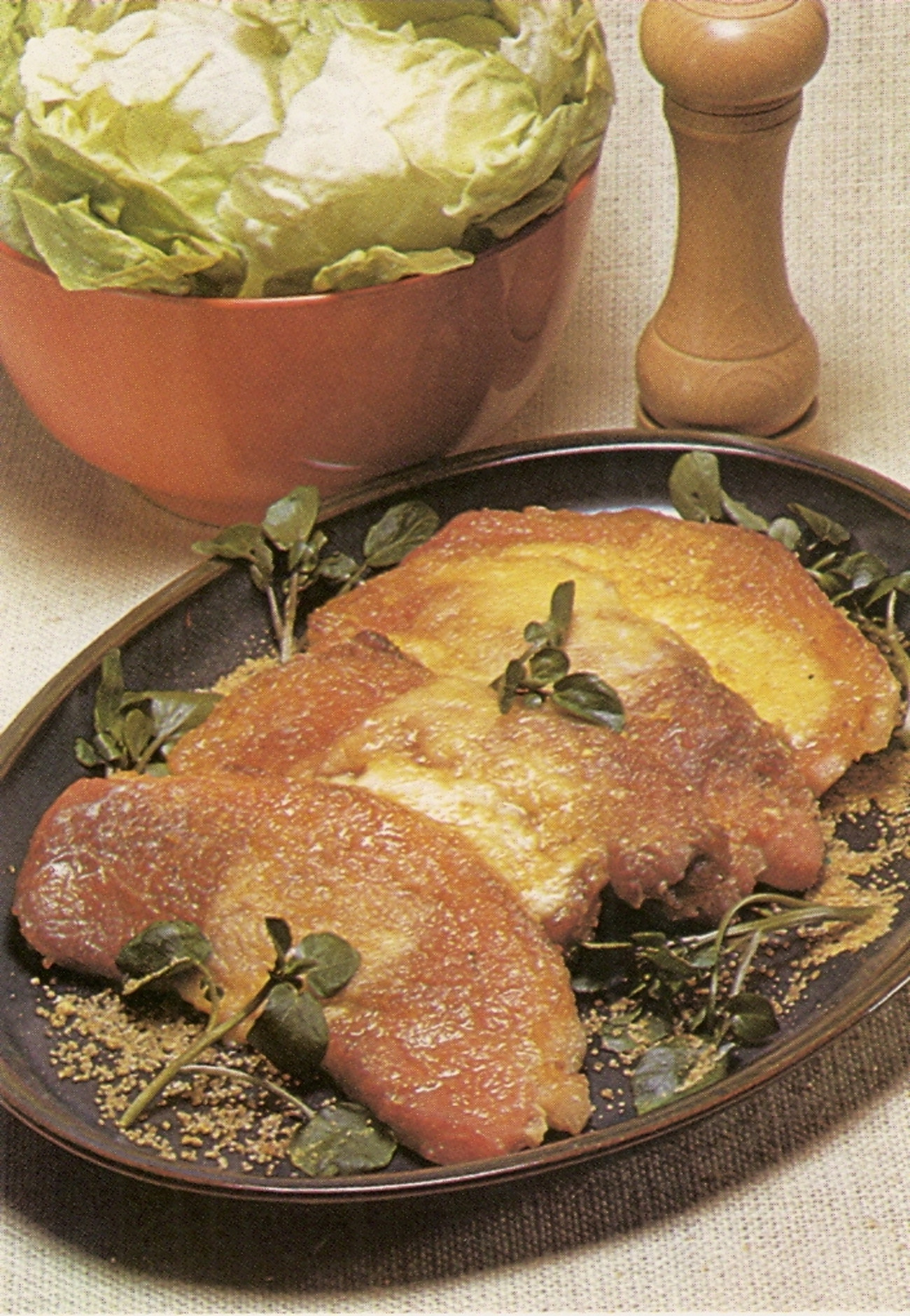
In the latter half of the 20th-century mock food was a way for food manufacturers to advertise and incorporate their products into recipes. Mock cheese blintzes decreased the cheese and swapped in crushed cookie biscuits. Another recipe for St. Germain Soup used condensed pea soup as the base alongside two cubes of bouillon.
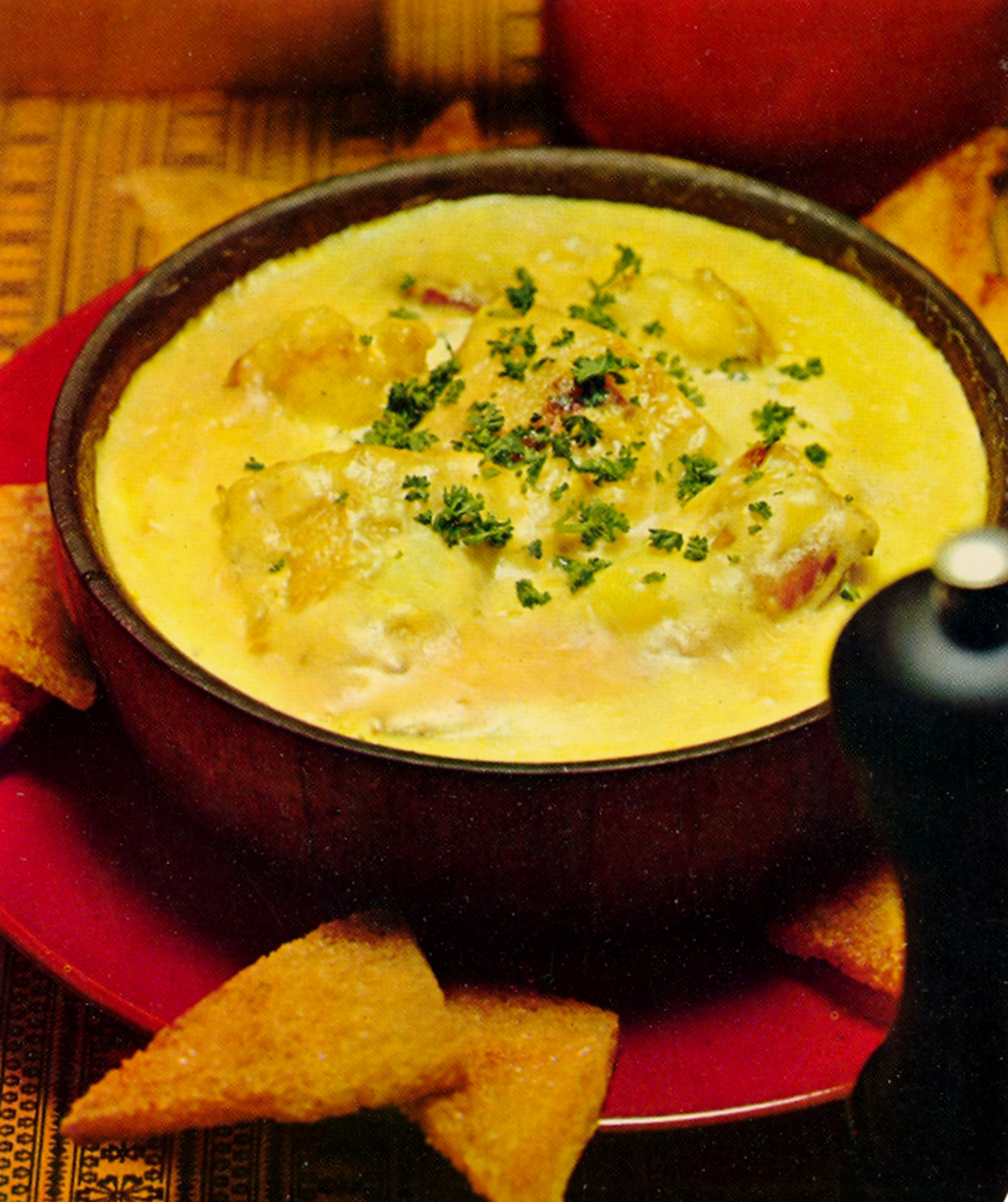
This food charade of making nothing into something goes hand in hand with America’s food history. Mock food carries this sense of reinvention, taking elements of the old and fusing it what you had. The concept and actions of one’s ability to change, adapt, and invent are all in line with the American spirit.