Millions Of Eggs Just Got Recalled Over Salmonella — Here’s What You Need To Know

Didn’t we just do this? Just when you thought your fridge was safe and cleared of contaminated lettuce, here comes another one: nearly 1.6 million dozen eggs — that’s an astounding 19 million individual eggs — have been recalled over possible Salmonella contamination. If you’ve bought eggs recently at Kroger, Brookshire’s, or a handful of smaller grocery chains, it’s definitely time to check your fridge.
Here’s what you need to know:
What Happened
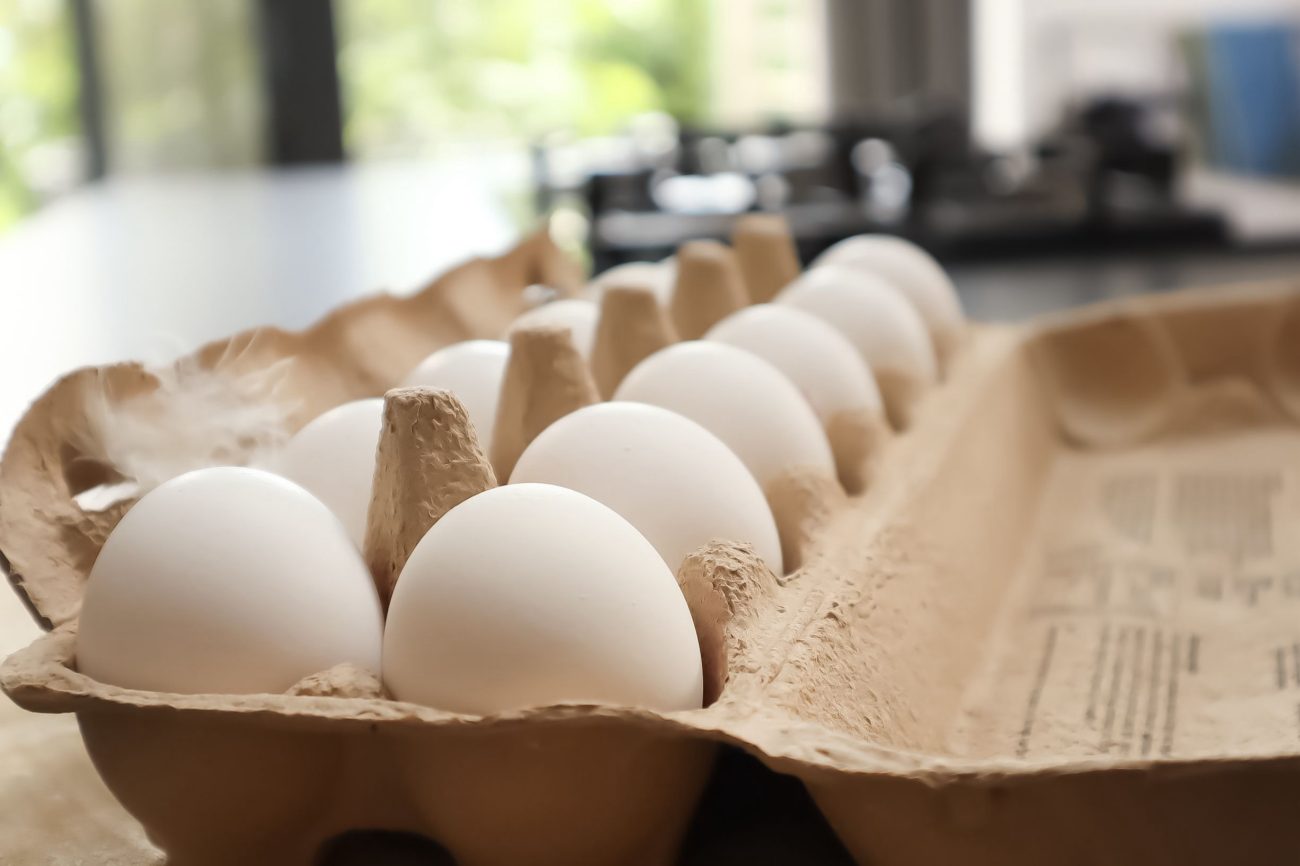
Midwest Poultry Services, L.P. is recalling white shell eggs and brown cage-free shell eggs produced at its farms in Texas, after its own testing turned up Salmonella Enteritidis, and whole genome sequencing matched it to the strain behind an active outbreak. The company shared those results with the FDA on July 21, 2026, and initiated the recall shortly after.
Where The Recalled Eggs Were Sold
The eggs were distributed to retailers in six states:
- Texas
- Louisiana
- Oklahoma
- Arkansas
- New Mexico
- Mississippi
They were sold under several familiar names, including:
- Kroger
- Brookshire’s
- Simple Truth
- Country Morning
As well as some smaller, independent retailers. (Full list at the FDA link below.)
How To Tell If Your Eggs Are Part Of The Recall
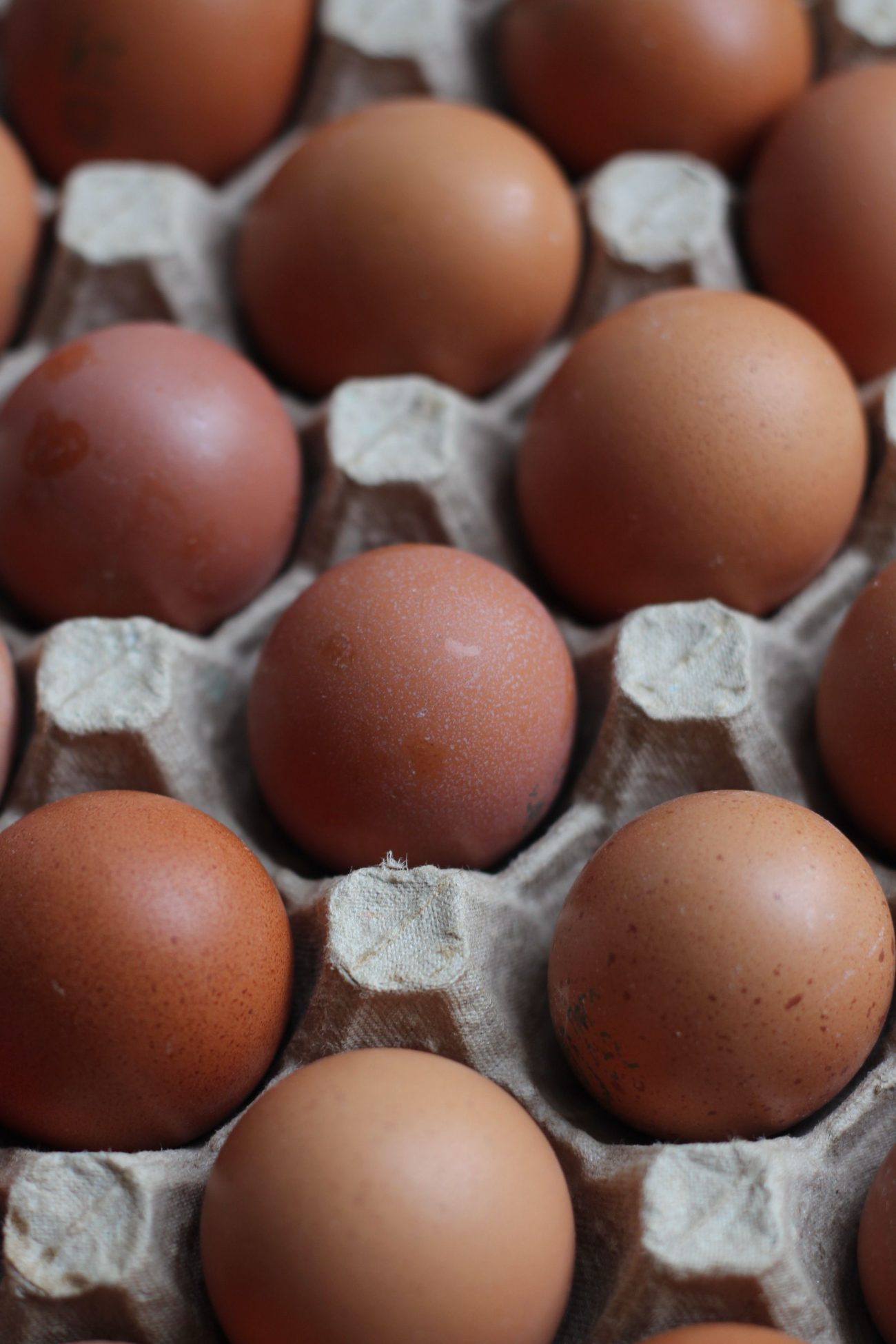
Not every carton from these stores is affected; this recall is specific to certain production codes and date ranges, so it’s worth actually checking your carton rather than guessing.
Here’s what to look for:
- Plant code P-1950 or 0840962, printed on the side of the carton
- A Julian date between 157 and 184, also printed on the carton
- Sell-by or best-by dates between July 20, 2026 and August 17, 2026
If your carton doesn’t have a matching plant code, it’s not part of this recall, even if it’s the same brand. (So you can you have your omelettes and eat them too.)
How Serious Is This One?
Salmonella is always serious.
The FDA and CDC have linked at least 98 illnesses across 17 states to this outbreak strain of Salmonella, with 26 hospitalizations and no deaths reported so far. Investigators say the illness onset dates actually stretch back to November 2025, meaning this outbreak had been quietly building for a while before the source was identified.
Salmonella infections typically cause fever, diarrhea, and stomach cramps, usually showing up within a few days of exposure. Most healthy adults recover without needing hospitalization, but symptoms can be more severe in young children, older adults, and anyone with a weakened immune system.
What To Do
- Check any eggs in your fridge against the plant codes and date ranges above
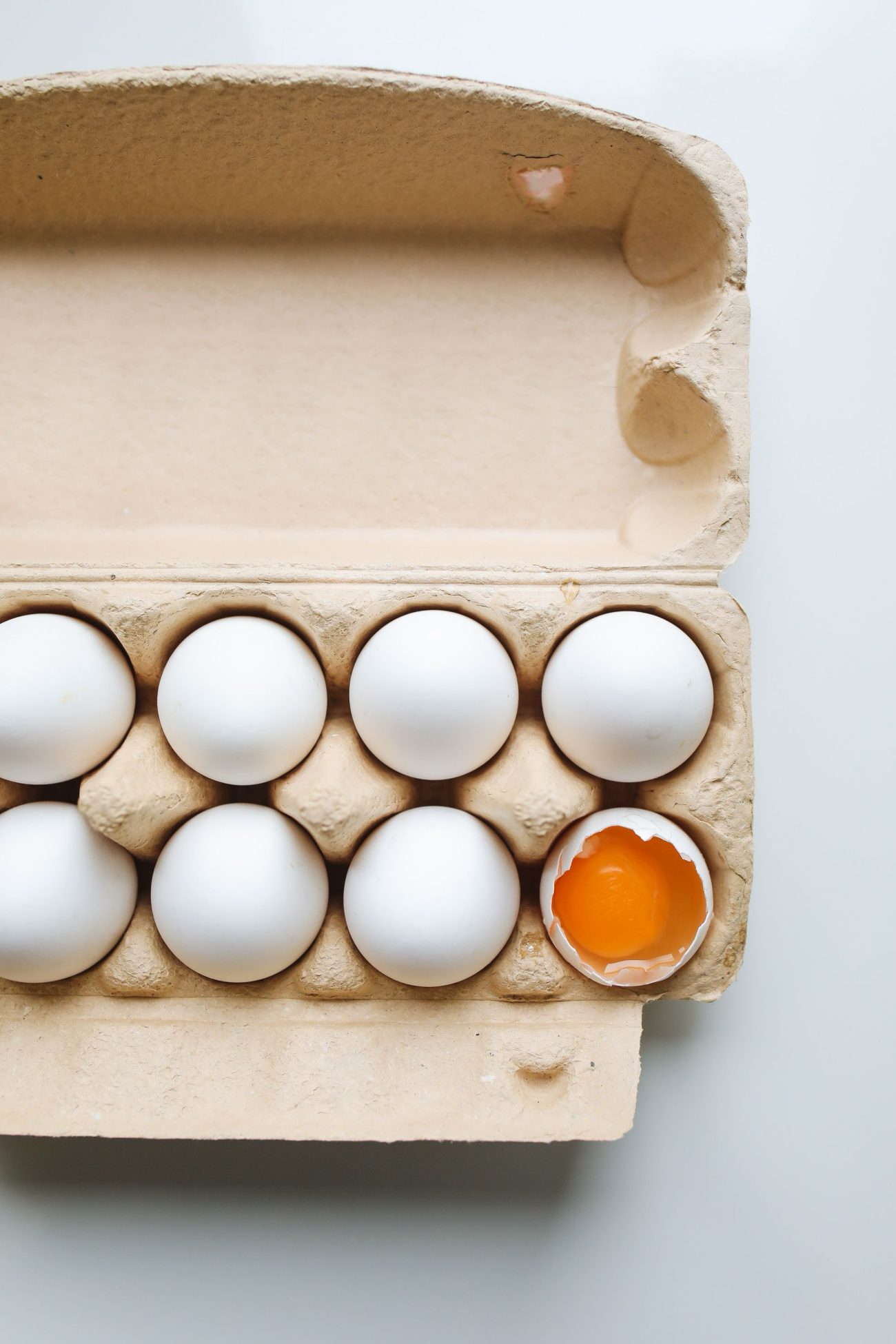
- If they match, don’t cook or eat them — throw them away or return them to where you bought them for a refund
- Wash your hands and any surfaces the eggs may have touched with hot, soapy water
- If you’ve eaten the recalled eggs and are feeling sick, especially with a fever or diarrhea that isn’t improving, check in with your doctor
As always, if you have questions about a specific carton, checking the official FDA recall notice is the most reliable way to confirm. And of course… when in doubt, throw it out!