

Recipe of the Day
Discover a New Recipe Every Day. Give Back With Every Bite.
Every day, we feature a hand-picked recipe for you to discover, cook, and share. The best part?
Every recipe you read helps feed the hungry.

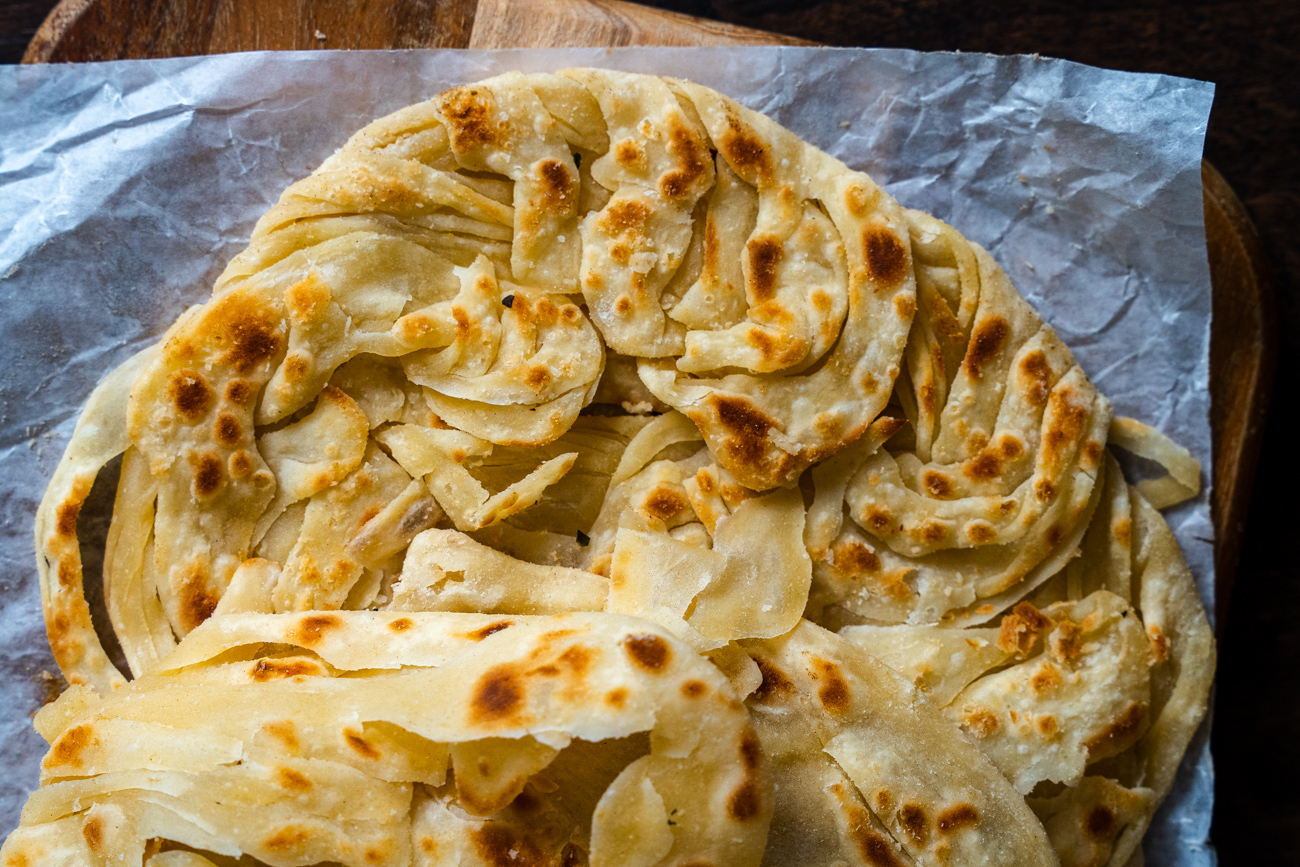
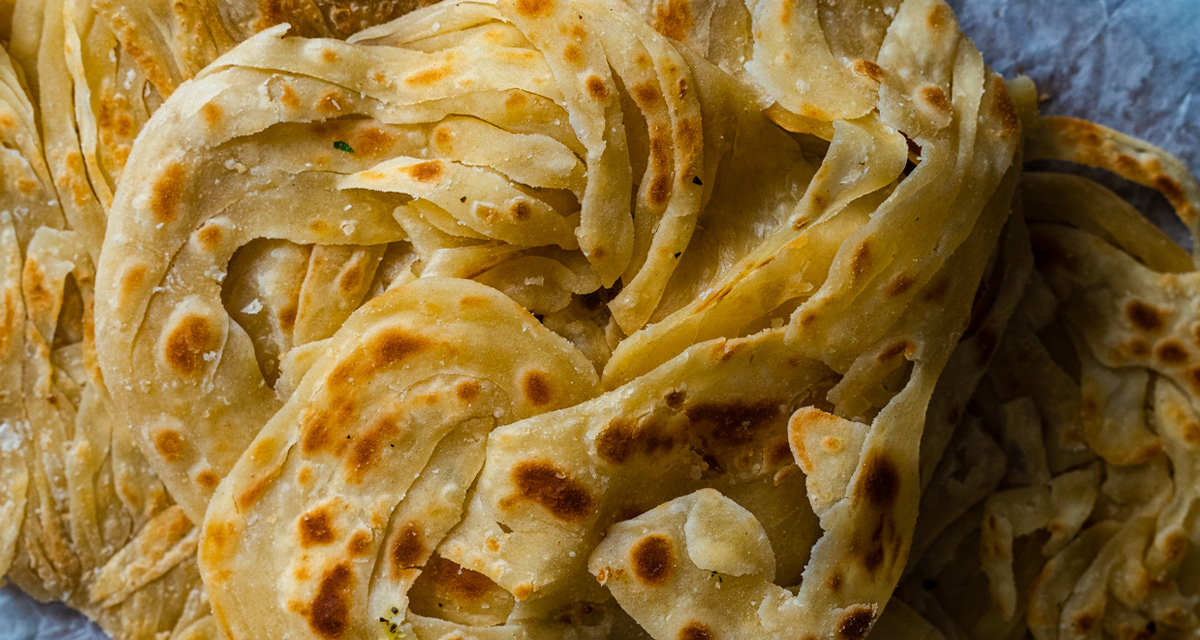
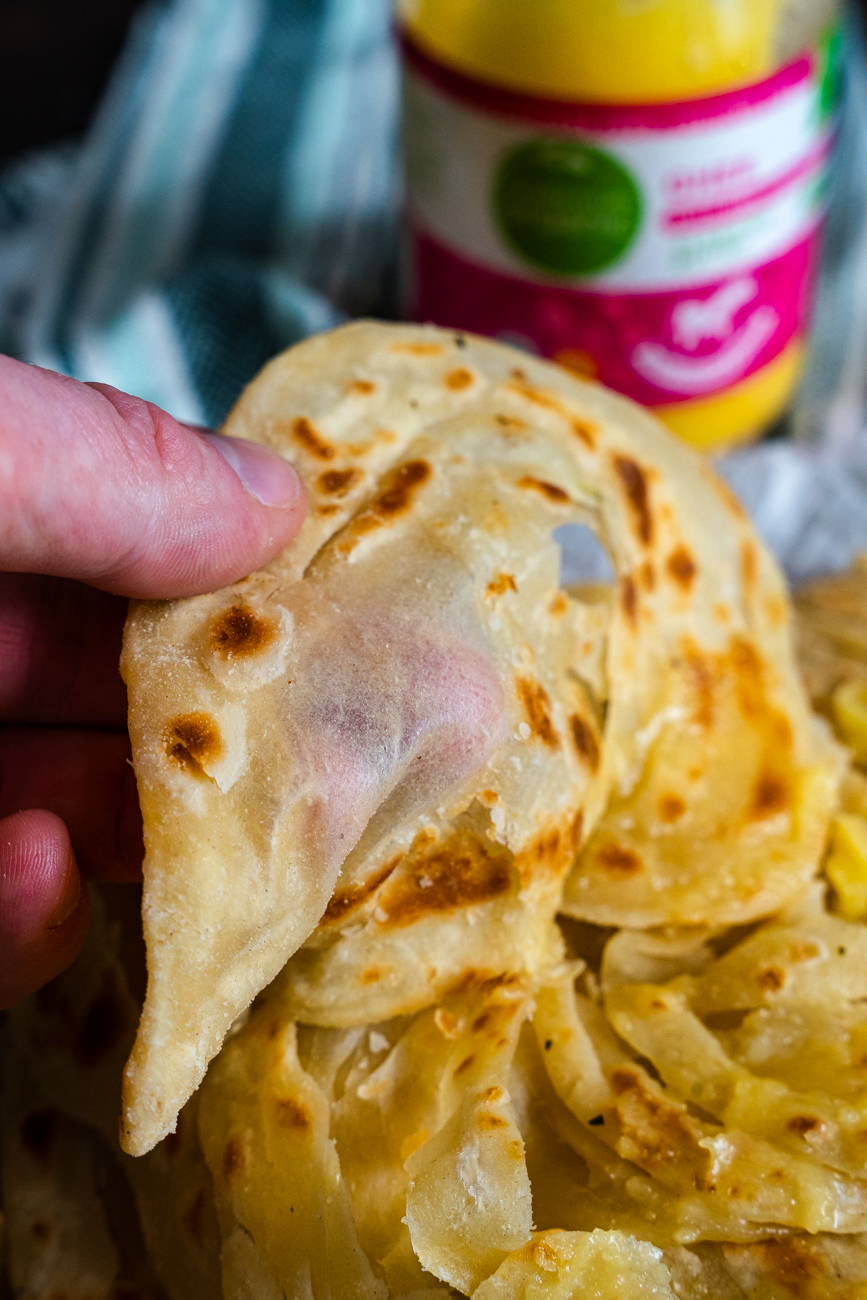
A golden, flaky Indian flatbread that’s crisp on the outside and tender on the inside. Whether you’re stuffing it with spiced potatoes, paneer, or simply enjoying it plain with a pat of butter, this flatbread is more than just a side. I want to walk you through every step of the process, from kneading the dough to achieving that perfect pan-fried finish. This is a recipe that can be made by all cooking skill levels and it will come out yummy every time.
The dough is a very simple dough with no yeast. If you’ve ever made homemade flour tortillas or even scallion pancakes, this process should be familiar to you. We start by making a very soft and tender dough. This dough should feel like soft playdough, so when it comes to rolling we can create very thin layers.
While the dough rests, it’s important to stick to tradition and make ghee. Ghee is a version of clarified butter that toasts the milk fat, then strains it out resulting in a nutty shelf-stable butter. We use the ghee to brush the flatbread as we stretch and fold the dough on top of itself. Imagine the process of making biscuits or puff pastry. We are laminating the dough with butter to create layers that will becomes tender and flake.
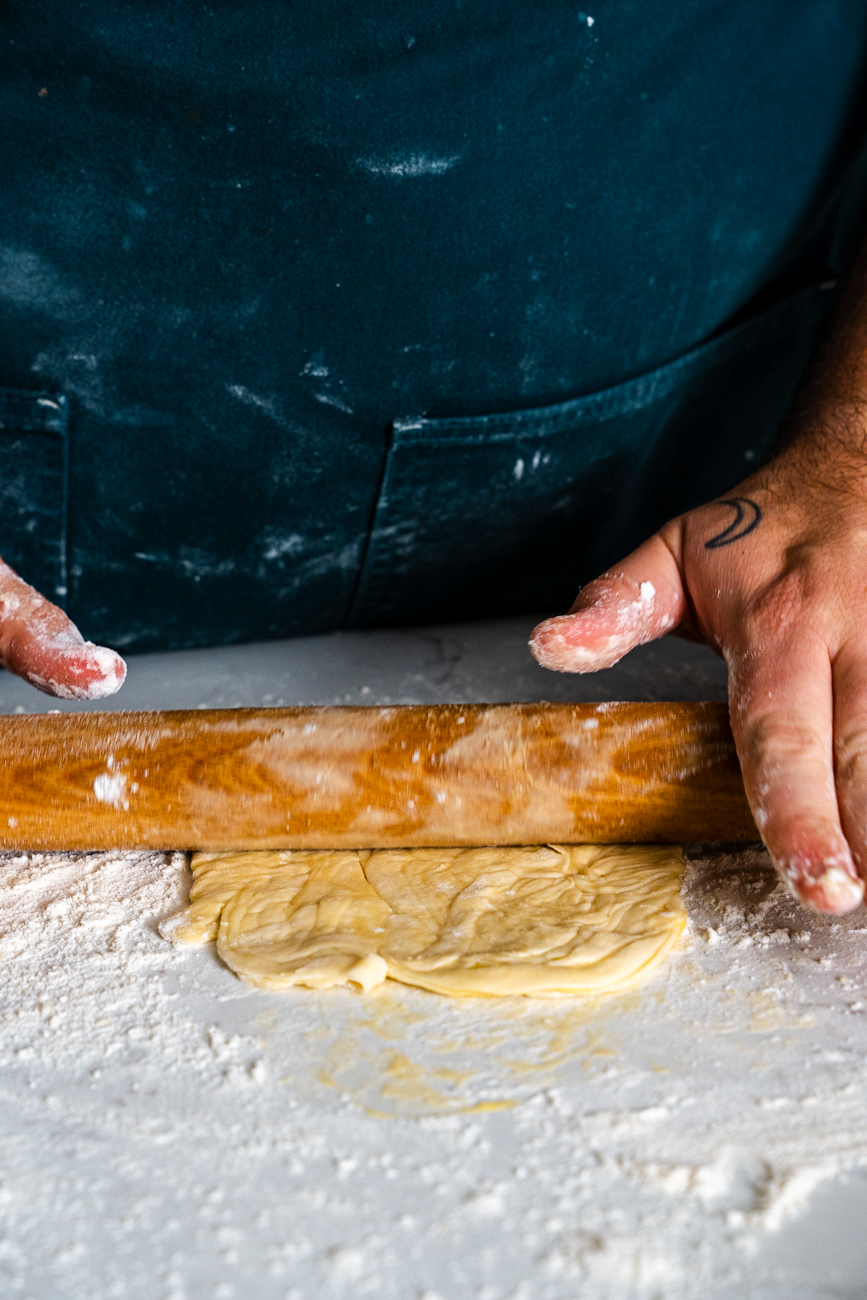
The stretching of the dough is where all your technique will come into play. I roll the dough into a very thin oval slab. The thinner the better. We don’t have the luxury of yeast to help soften the dough, so we must manually get it as thin as possible to soften. Next step is to slice the dough into strips. This will create flakiness from the dough as we roll. The more crispy flaky edges, the more flavor.
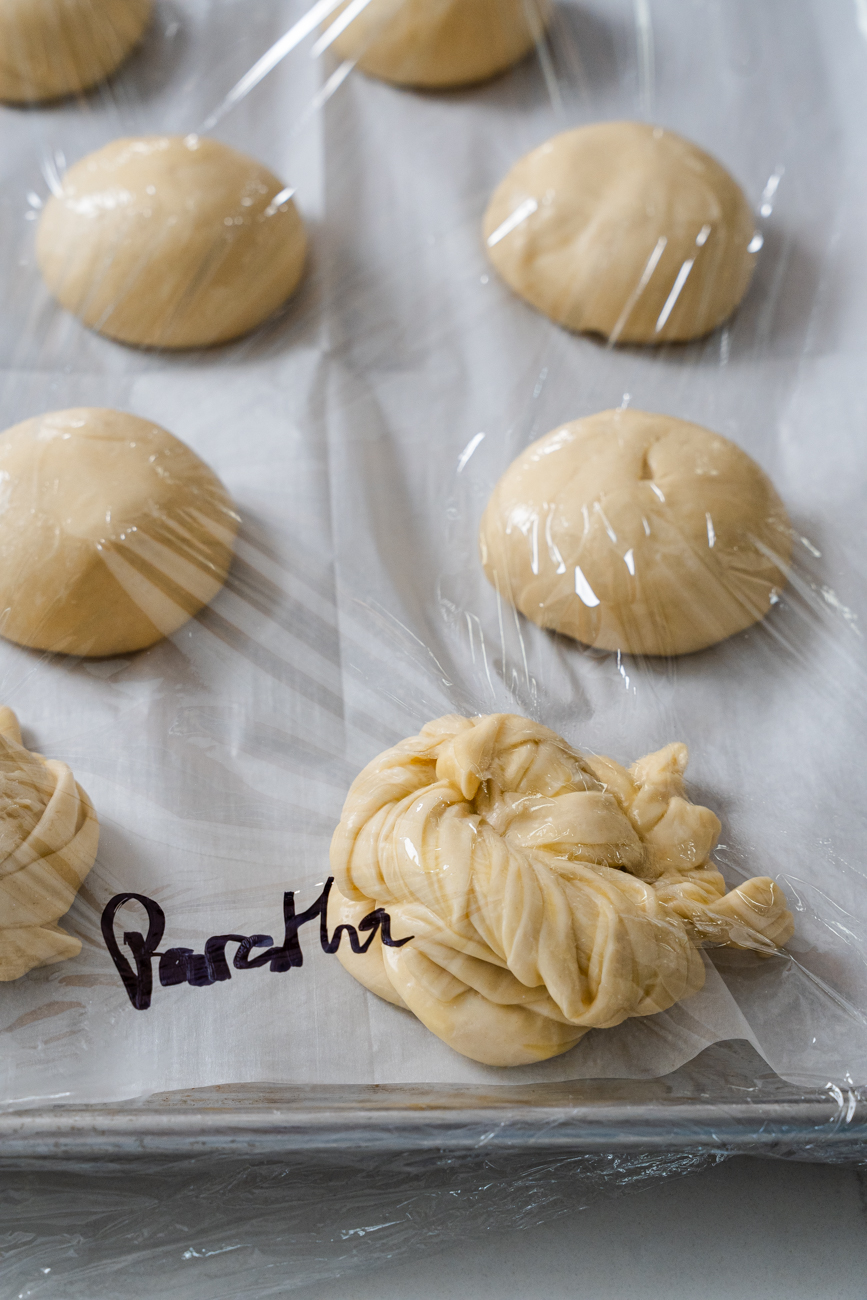
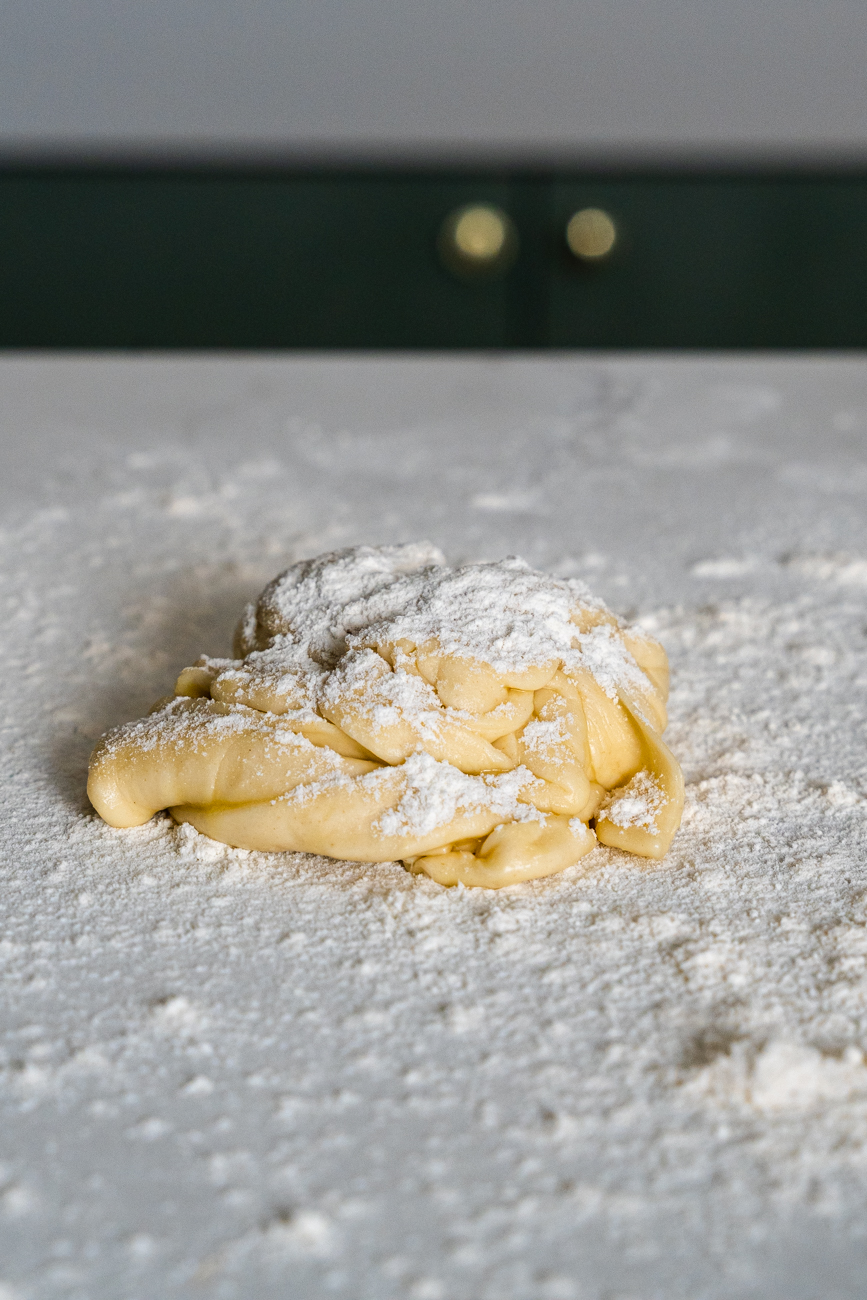
Before we roll up our paratha, we must brush it all over with ghee. Now we stretch and roll. Use a wooden cutting board or pan to hold one side of the dough dough, while you start stretching those dough strips and twisting the dough into a ball working your way toward the weighted dough side. This helps the dough stay down and allows you to get the dough very thin. When you’re done, you will end up with a stringy, layered ball. Cover this ball while you continue on the rest to let the gluten relax.
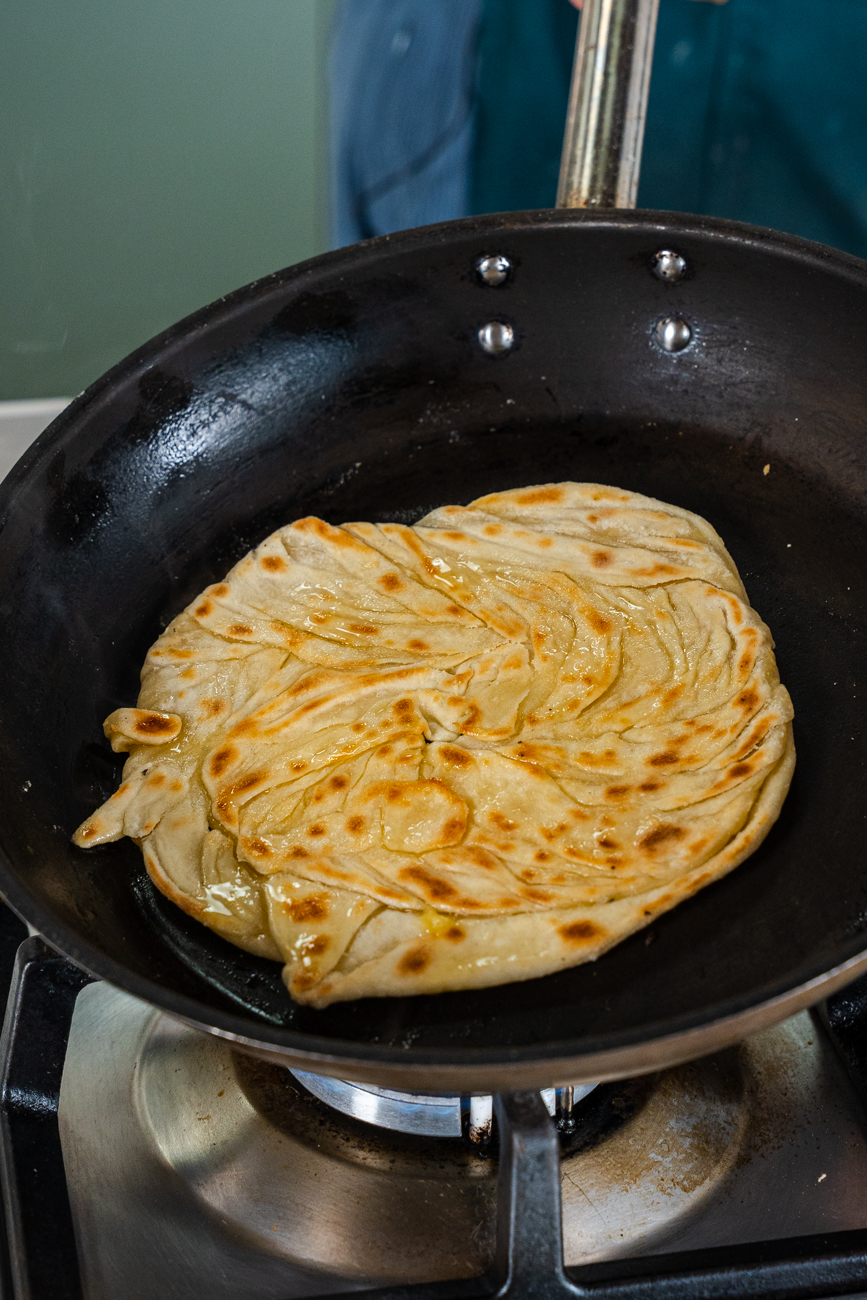
Roll your relaxed paratha balls into a six inch round and cook for 3 minutes in a preheated pan on both sides. Finish your paratha with more ghee before serving. WAIT until you try this one!
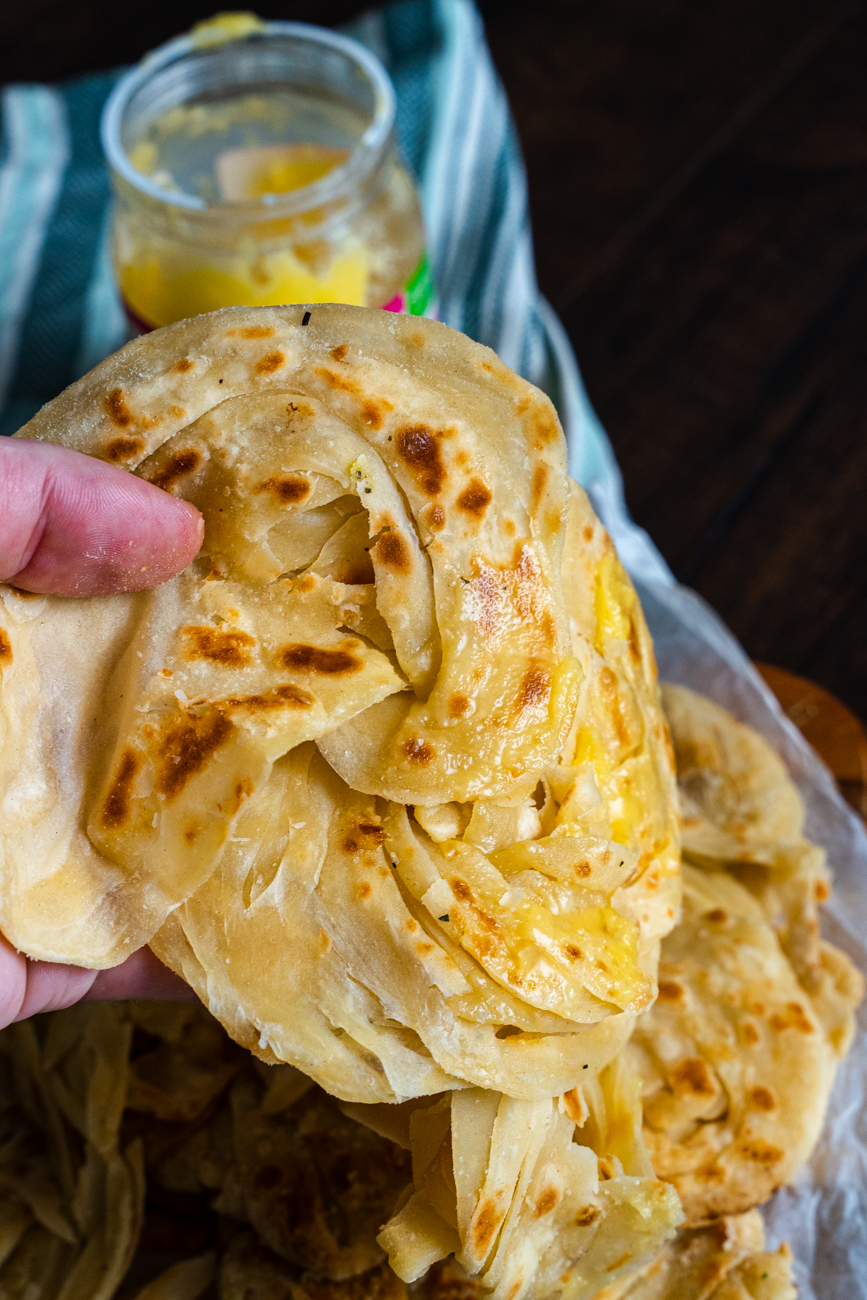
Homemade Paratha
Ingredients
- 4 cups all-purpose flour, plus more for dusting
- 1 tablespoon kosher salt
- 2 tablespoons vegetable oil
- 1 1/4 cup warm water
- Ghee, for brushing
Preparation
- Combine the flour, salt, and oil in a bowl until incorporated.
- Add the water to the bowl and mix into a dough.
- Cover the dough and let it rest for 20 minutes.
- Knead the dough for 20 - 30 folds. Let the dough rest for 10 minutes.
- Portion the dough into 3.5-ounce balls, or if you don’t have a scale, divide the dough into eight equal pieces. Let it rest for 10 minutes.
- Roll one piece at a time into an 8 - 10-inch round. Laminate the dough by using a pizza cutter to cut thin strips 1/4 inch apart, 85% of the way from the edge.
- Stretch the dough’s edge and start rolling up the dough, while pulling from the end. Coil the dough up into one big bagel, then smash it down. Cover for 10 minutes.
- Roll the rested dough bagels out into even 8-inch rounds and cook in a non-stick skillet over medium-low heat, around 2 minutes for the first side. Brush the underside with ghee. Flip it over, brush with more ghee, and cook for an additional minute.
- Remove from the pan and fluff on all corners.
- Melt cheese on it, use it as a wrap, or even enjoy it with cinnamon sugar!