“Diet” Is Slowly Leaving Store Shelves

If you are perusing your local grocery store, you might notice that the diet sodas are quickly disappearing from the shelves. That’s the bad news, but the good news is that the beverage is not disappearing, the packaging is changing.
In many popular soft drinks, you will now see diet sodas listed as being “zero sugar.” Some of the common types of low-calorie sodas that have started this trend include Canada Dry, 7-Up, Sunkist, and Schweppes ginger ale.
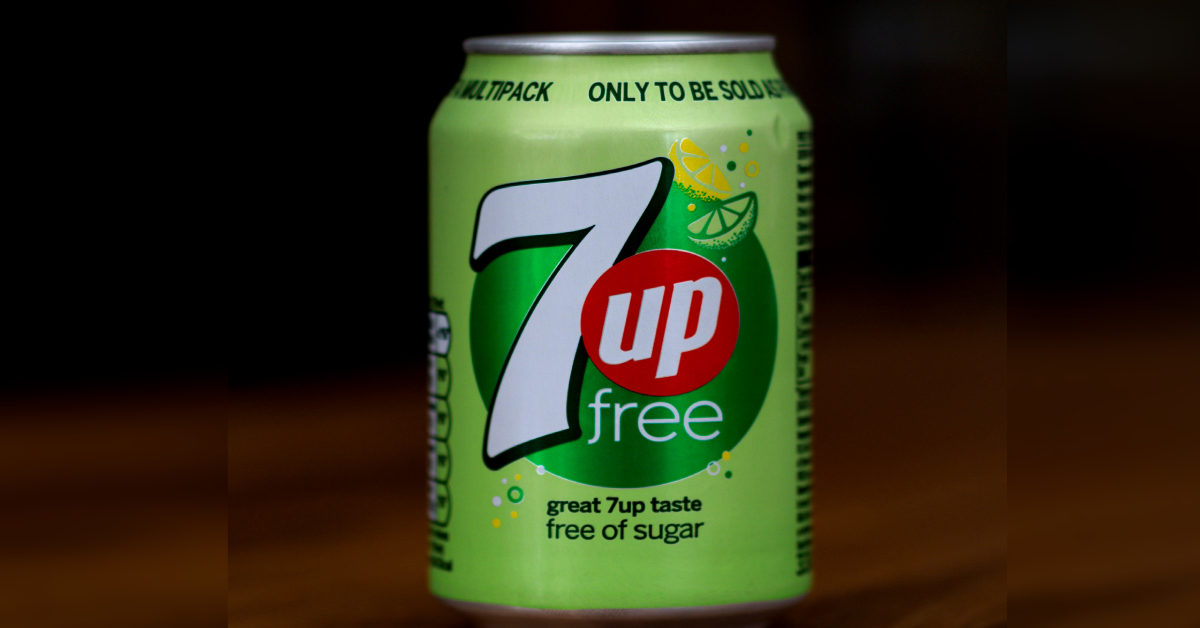
It seems as if this trend is to satisfy the desire of many millennials who are not in favor of the word “diet.” They would much rather see something listed as “zero sugar” or something that they considered to be less offensive. Since they are the ones buying diet sodas at this time, it’s apparent why the soda companies are taking this stand.
In fact, according to CNN, the chief marketing officer at PepsiCo beverages North America, Greg Lyons, commented on it, saying: “Younger people just don’t like the word ‘diet’. No Gen Z wants to be on a diet these days.”

Just because these generations of consumers don’t like the word “diet” does not necessarily mean that they want diet sodas to disappear. In fact, diet sodas are growing at an alarming rate and have done so since they first got their start in the 1960s. As of 2020, $11.2 billion was spent on diet-carbonated soft drinks in the United States.
Although diet soda is popular, regular carbonated soft drinks are also popular. In 2020, they accounted for $28.2 billion and they are growing at a faster rate. Diet sales are up 19.5% since 2018 and regular soda is up 8.4% in the same years.
Since the soda companies are getting rid of the thought that it is actually a diet soda, they may gain some popularity in the process. The new generations are interested in maintaining a trim waistline, but they just don’t want the “D” word on the can.
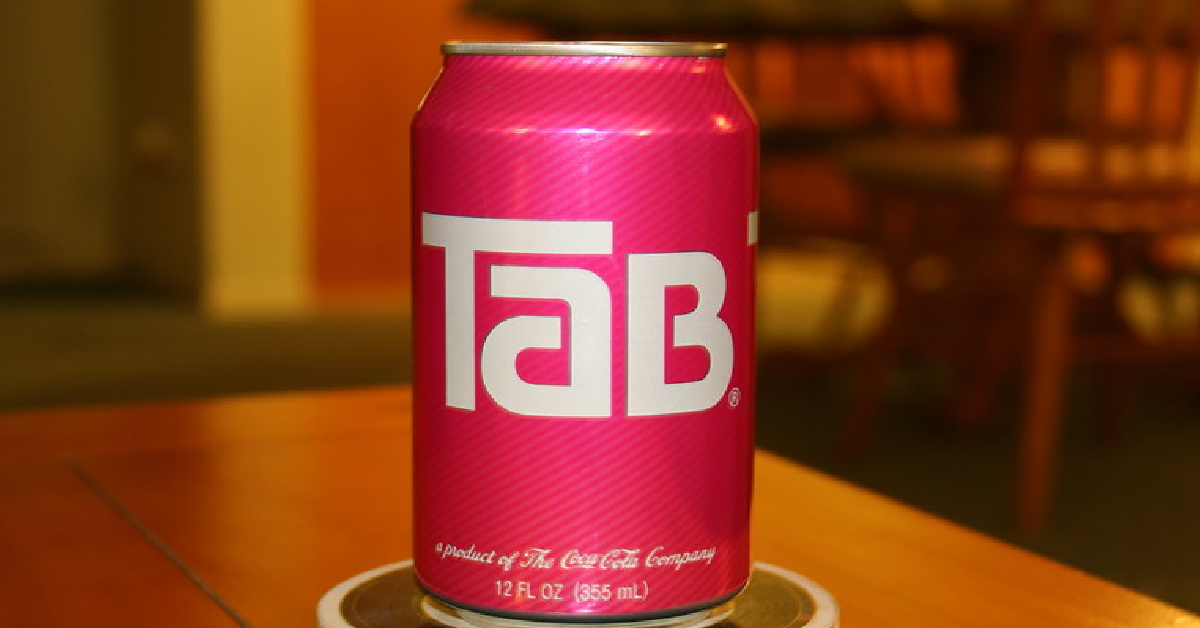
You have to go back to the 1960s to see the popularity of diet drinks come to the forefront. According to Culinary Lore, one of the first was launched in 1958, Diet Rite Cola. They didn’t launch it as a drink for weight loss, they launched it as an option for consumers who wanted to limit their sugar intake, such as diabetics.
That fact was seen when you went to shop for Diet Rite Cola at the supermarket. You wouldn’t find it with the other soft drinks, you would find it with the medicine. Since it was so popular, Coca-Cola decided to get on board in 1963 with Tab, and Pepsi joined a year later.
In the 80s, diet sodas were so popular that they “accounted for 60% of all soft drink sales in the US back then, but diets were growing three times faster than the rest of the category”, according to a diet coke website posting.
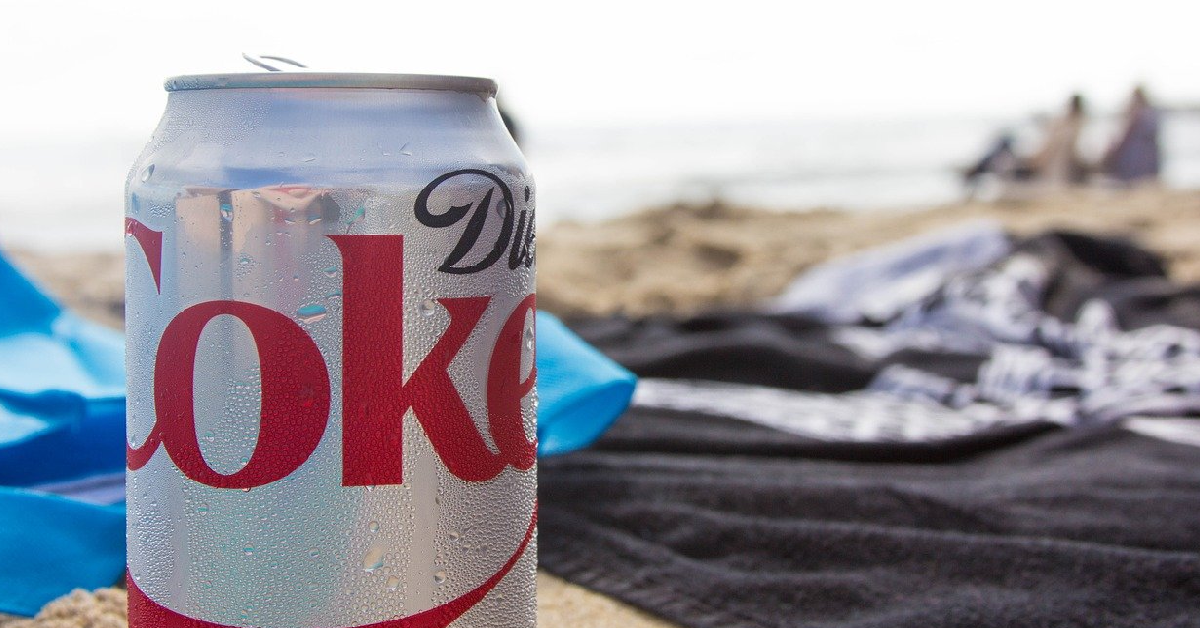
They thought for a while about what to call the new product, considering “sugar-free,” but they didn’t necessarily want to put the main ingredient in regular Coke in such a bad light. That is when they decided to go with diet soda, because it really emphasized why people were drinking it to start with.
Within a few decades, Coca-Cola decided to be a sugar-free product once again and it was popular among the younger consumers, as well as men, who had not been completely on board with the low-calorie sodas.
In 2005, Coke Zero was put into the market in order to appeal to younger people and most men, who don’t necessarily want to drink something with the word “diet” on it. According to The Courier, eliminating that diet word created a “gender-free way to talk about the same topic,” according to Jim Watson, a senior beverage analyst at Rabobank.
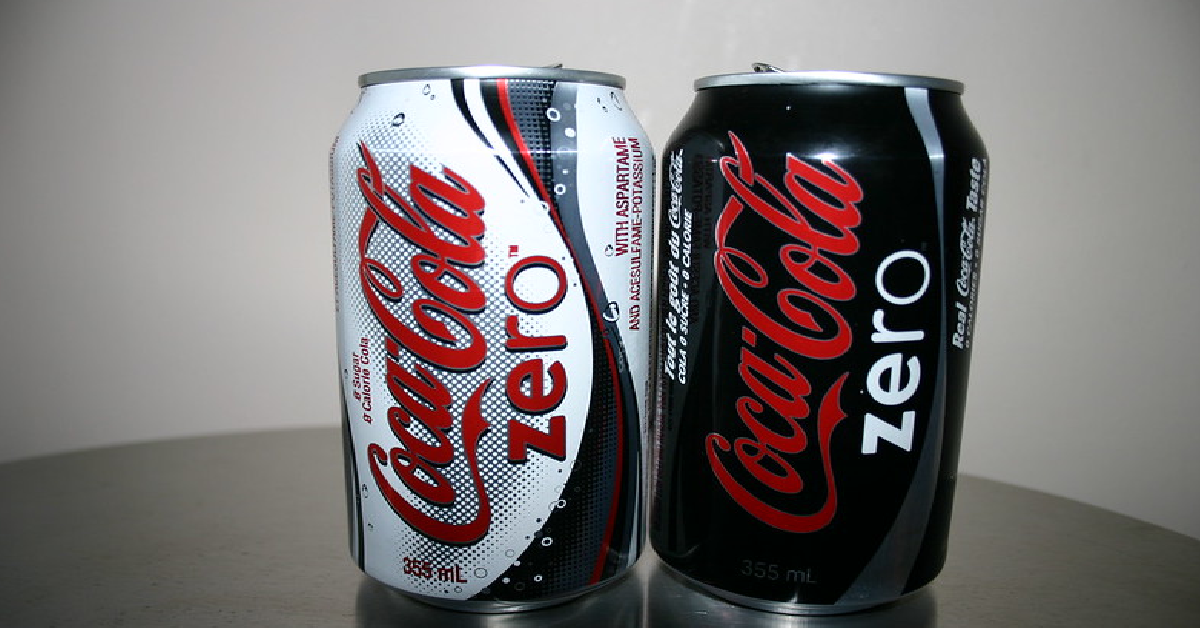
Admittedly, the entrance of Coke Zero into the market was not all about gender. It also was a turning point for diet soft drinks and many other companies followed suit.
As the competition began to get stronger, they tried to come up with better ideas as to how to market the soft drink without offending people in the process. For example, sparkling water is a top competitor, and it is one that many carbonated soft drinks have difficulty meeting.
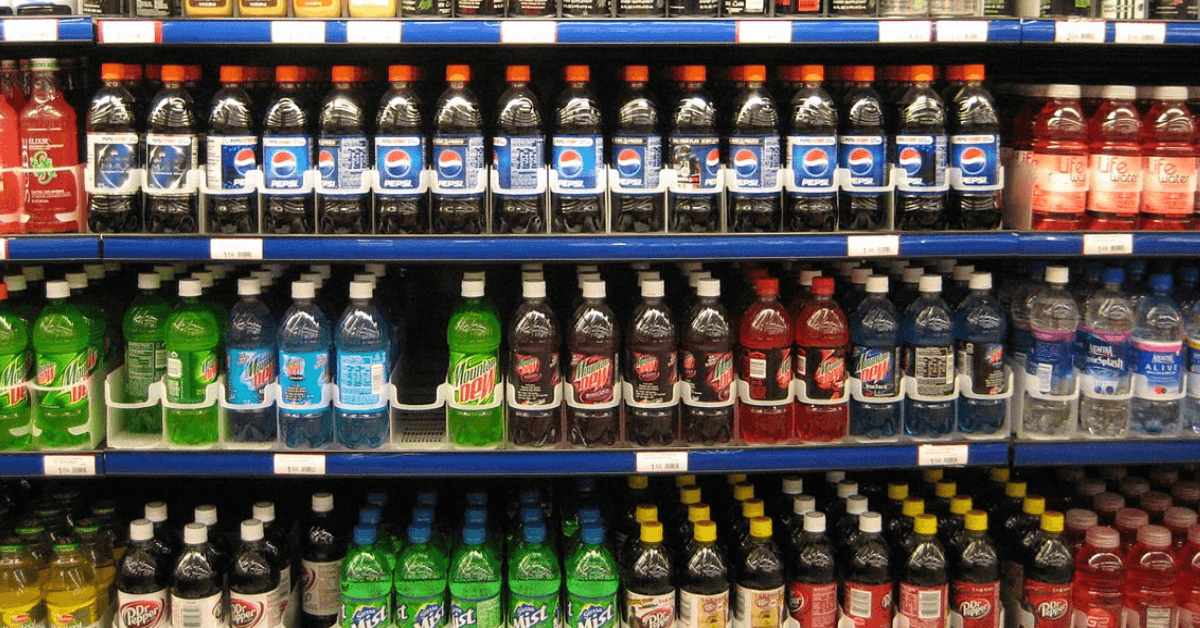

In order to overcome this problem, Coca-Cola and PepsiCo have come up with their own sparkling waters and caffeinated sparkling waters. Beyond that, new and different ways of marketing soda have hit the market.
In the end, Danny Stepper, CEO of LA Libations, perhaps sums things up best when he talks about consumers voting with their wallets and sugar being something they want less of. According to CNN, he said that it opens the door for opportunities, and in his words, consumers “want new things, so that’s opening the door to new ideas.”