Why Is A Baker’s Dozen Thirteen?
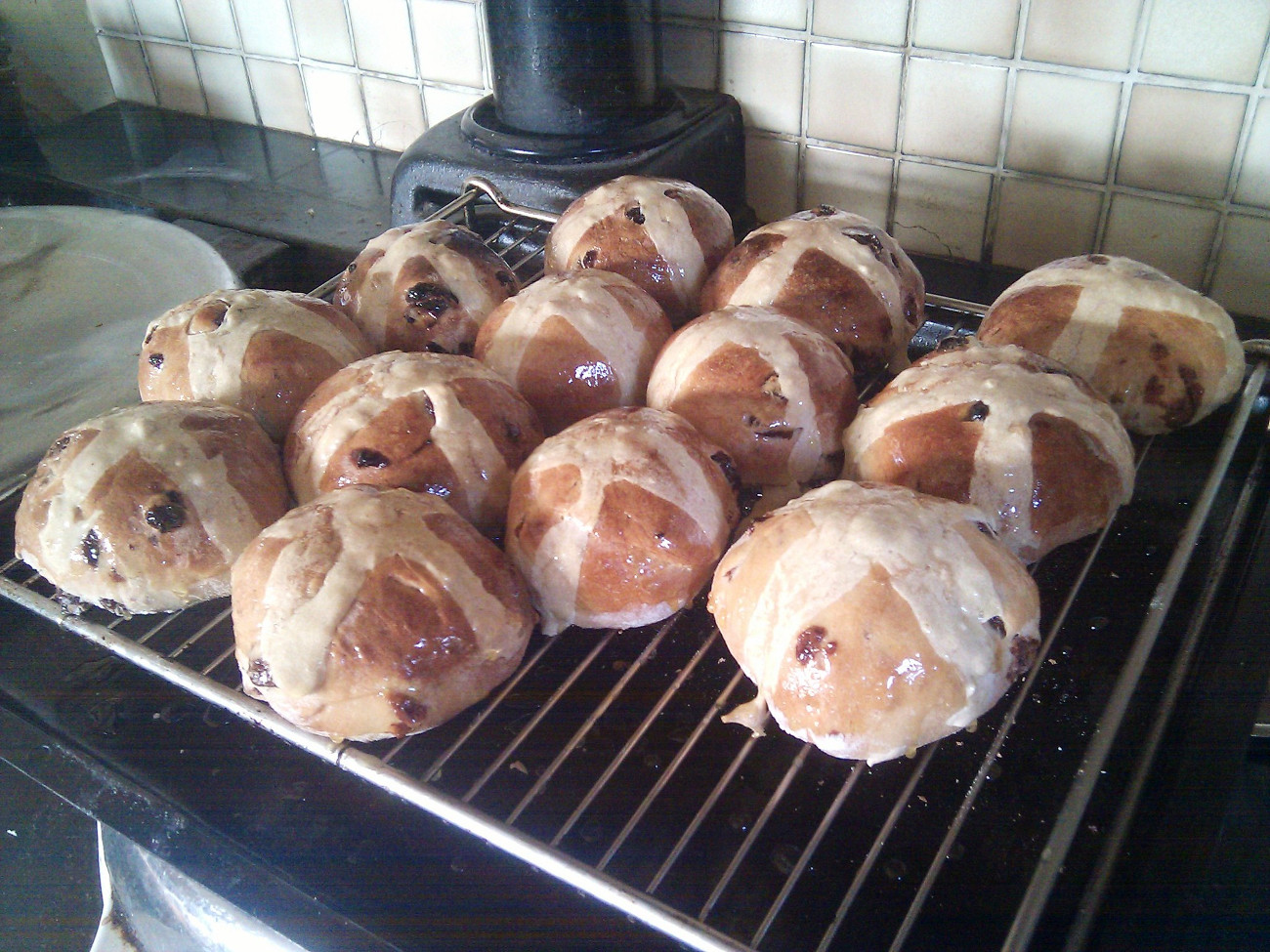
No, you haven’t miscounted, a dozen isn’t always a dozen, especially for bakers. In some parts of America or England, you can still go to bakeries, order a dozen loaves, rolls, or pastries and you’ll find yourself with a box of thirteen items. This extra freebie isn’t a ploy to win you over or a mathematical mistake, a thirteenth piece of bread is actually a dark and weird medieval tradition.
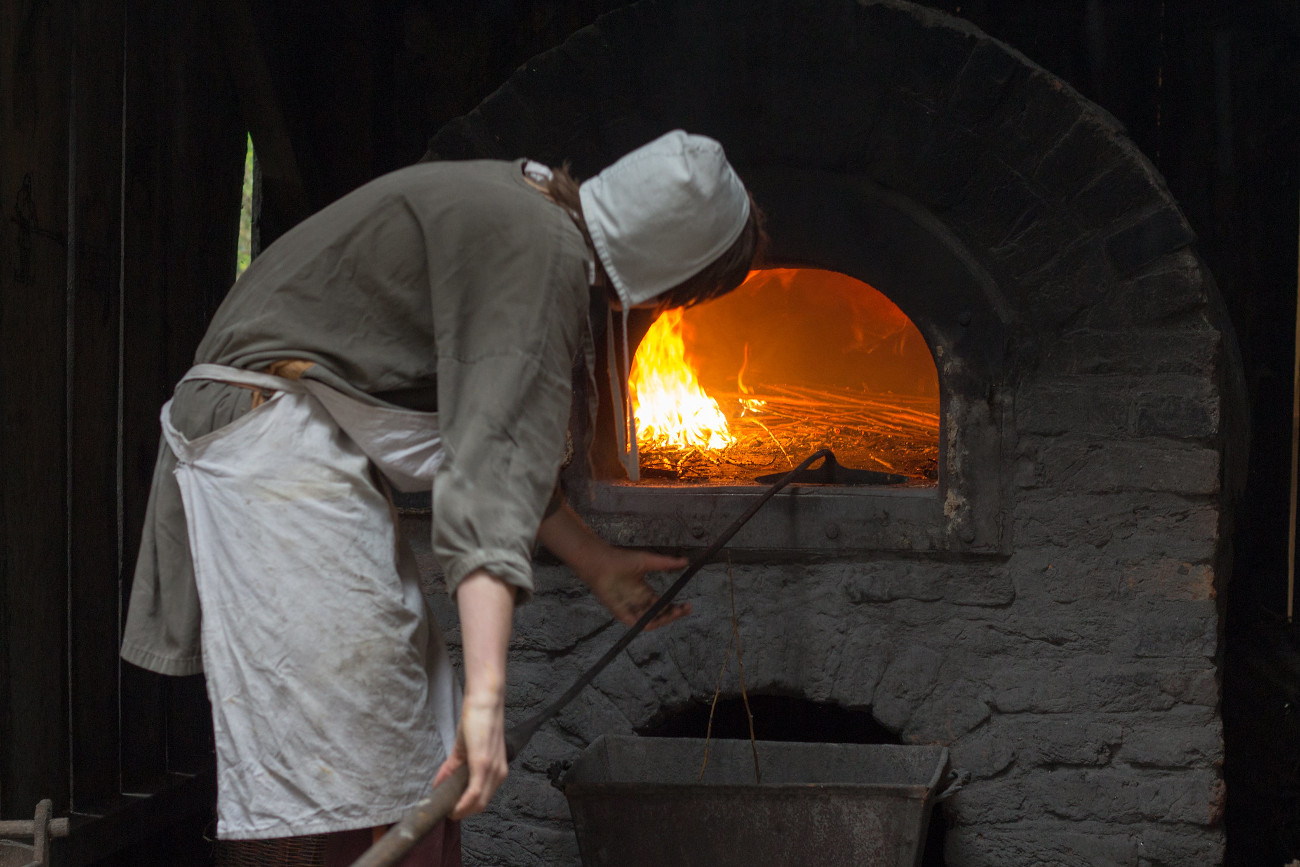
In medieval England, bread was the staple carb of citizens of all social classes, even in dire times, people would avoid alternatives like oats, corn, or barley, which were reserved for livestock.
One way or another, people were going to buy bread, and because bakers knew they’d always have a demand for their product, there was very little risk of scamming customers. Swindling, like buying wheat for cheap and up charging the bread, was just one of the ways bakers got more profits. However, the most common and easiest fraud to do was skimping. Many bakers would give customers a smaller than standard size, which gave the product the term “light loaves.” In other ancient civilizations like Babylon and Egypt, selling light loaves was punishable by beating, or in the Babylonian case, you could lose a hand, doesn’t sound like a good deal right?
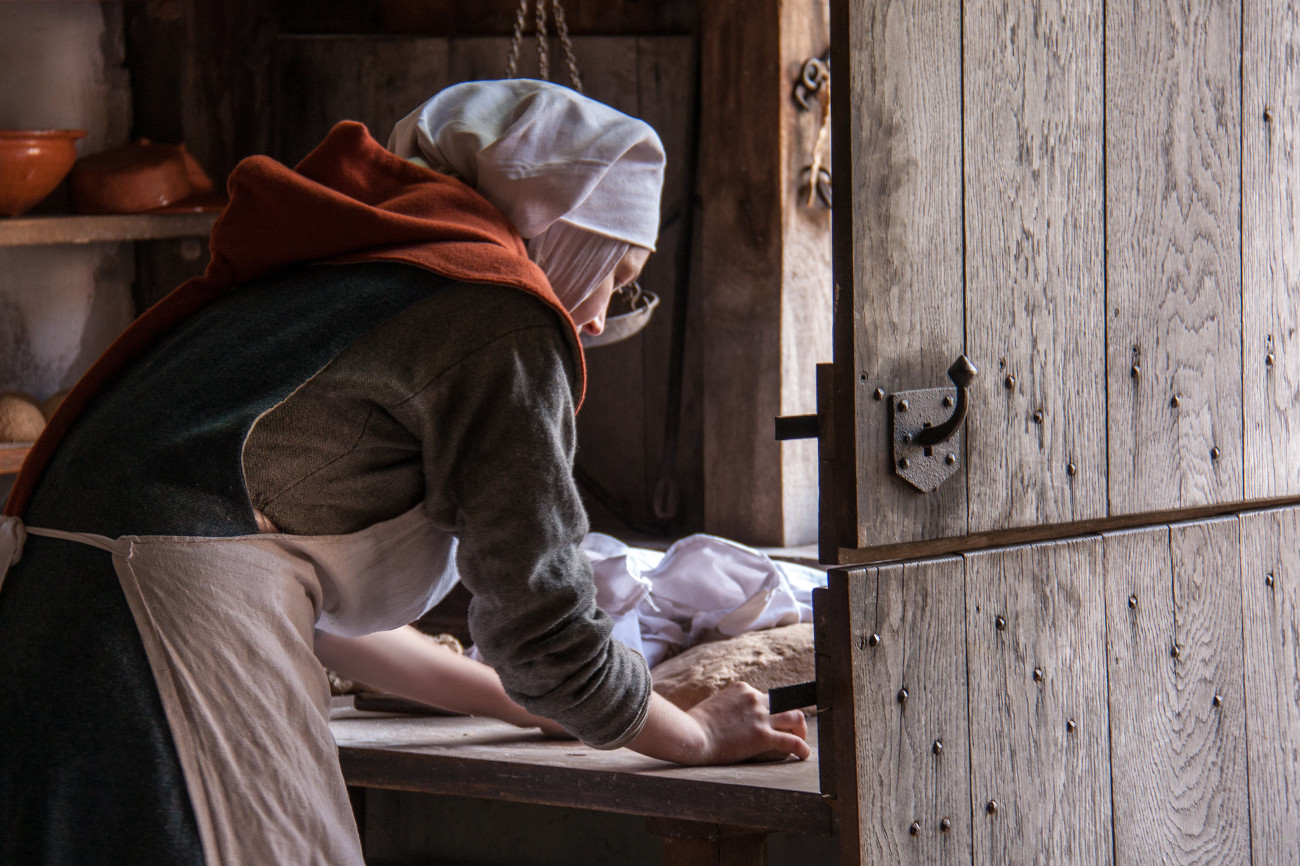
It is uncertain if England got the inspiration from the past, but in the 13th century, King Henry the III enacted bread laws to reduce fraud and scams. If a baker overcharged on a smaller amount of bread, then the laws enforced punishments like floggings, fines, and jail time.
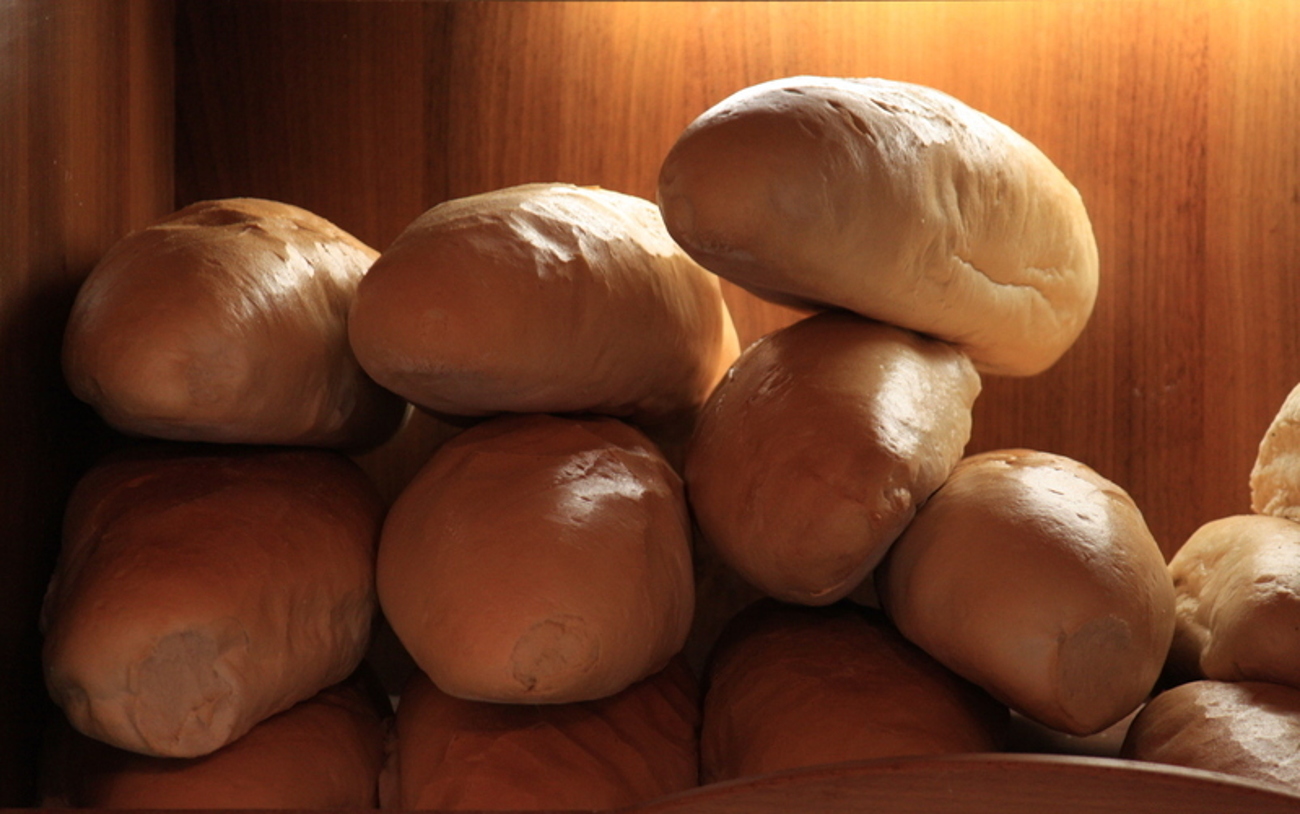
In theory, these rules sound good, but in medieval times it was easy to unintentionally shortchange customers with less bread. Most bakers did not have scales or any tools to accurately measure the bread for a consistent weight, so to avoid these horrific punishments, bakers gave customers an extra bread product. This just-to-be-safe policy was like insurance for the bakers, if the bread was smaller than average, the thirteenth piece of bread would make up for the difference.
Sadly this bread buffer has mostly fallen out of fashion, but there are certainly some bakeries still out there!