Recipe of the Day
Discover a New Recipe Every Day. Give Back With Every Bite.
Every day, we feature a hand-picked recipe for you to discover, cook, and share. The best part?
Every recipe you read helps feed the hungry.

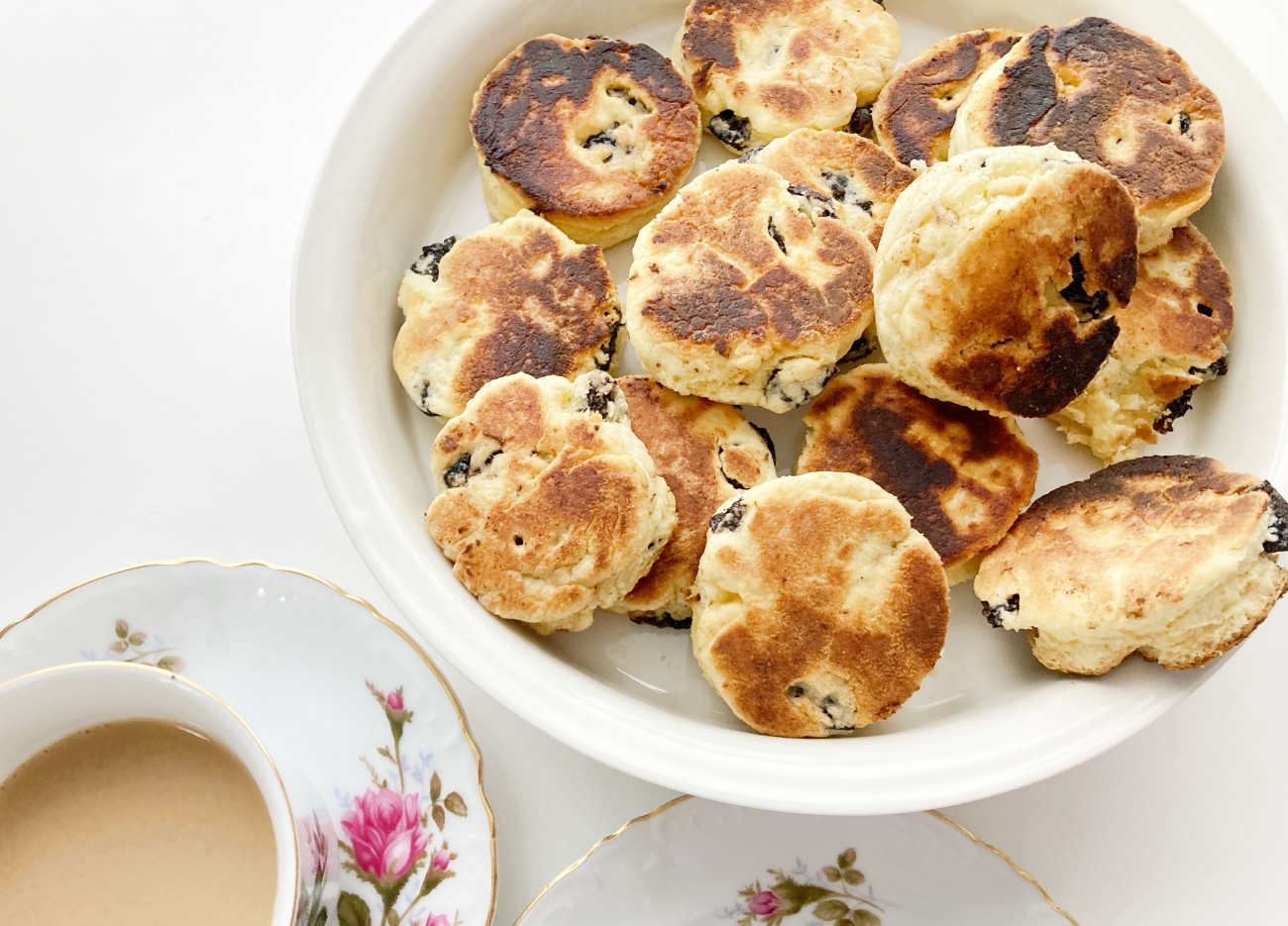
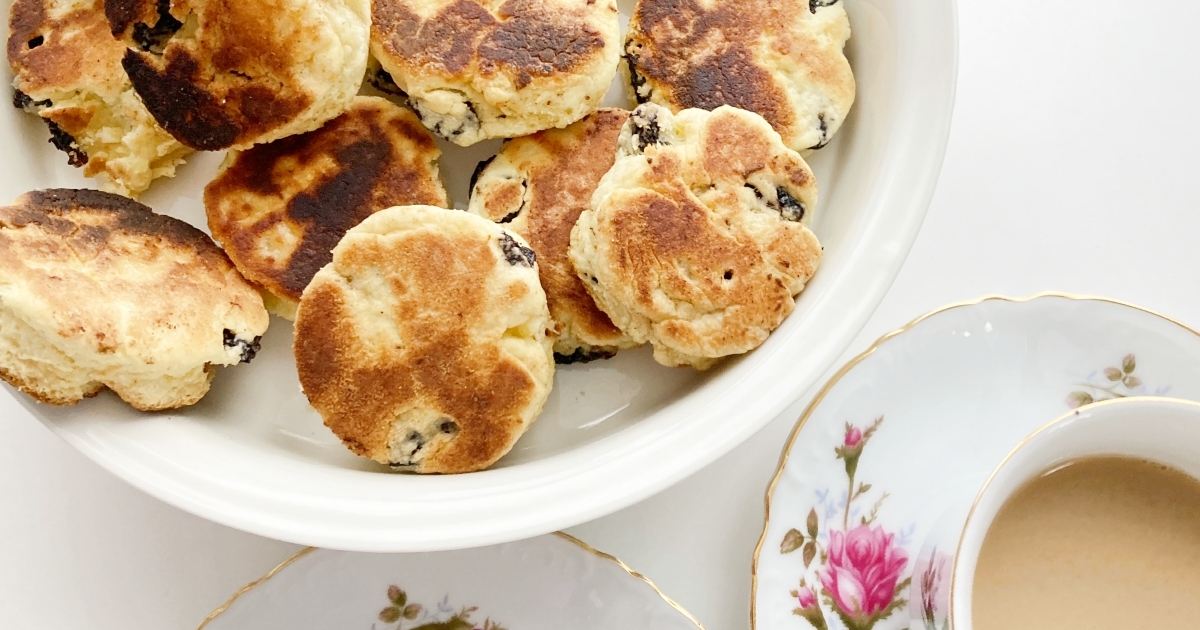
Tender, lightly sweet, and buttery in flavor- these Welsh cakes are like a cross between biscuits and pancakes. In the old days a scone could refer to something that was either baked or cooked on the stovetop like a pancake and these cakes are directly in the middle between those two.
They are traditionally made with dried currants, raisins, or other fruit and served on the feast of St. David which is March 1st. They’re usually eaten with a sprinkle of sugar or some jam. Unless you roll them out very thick they can be tricky to split in half across like you would an English muffin, so I prefer the add-ons slathered directly on top of the cakes.
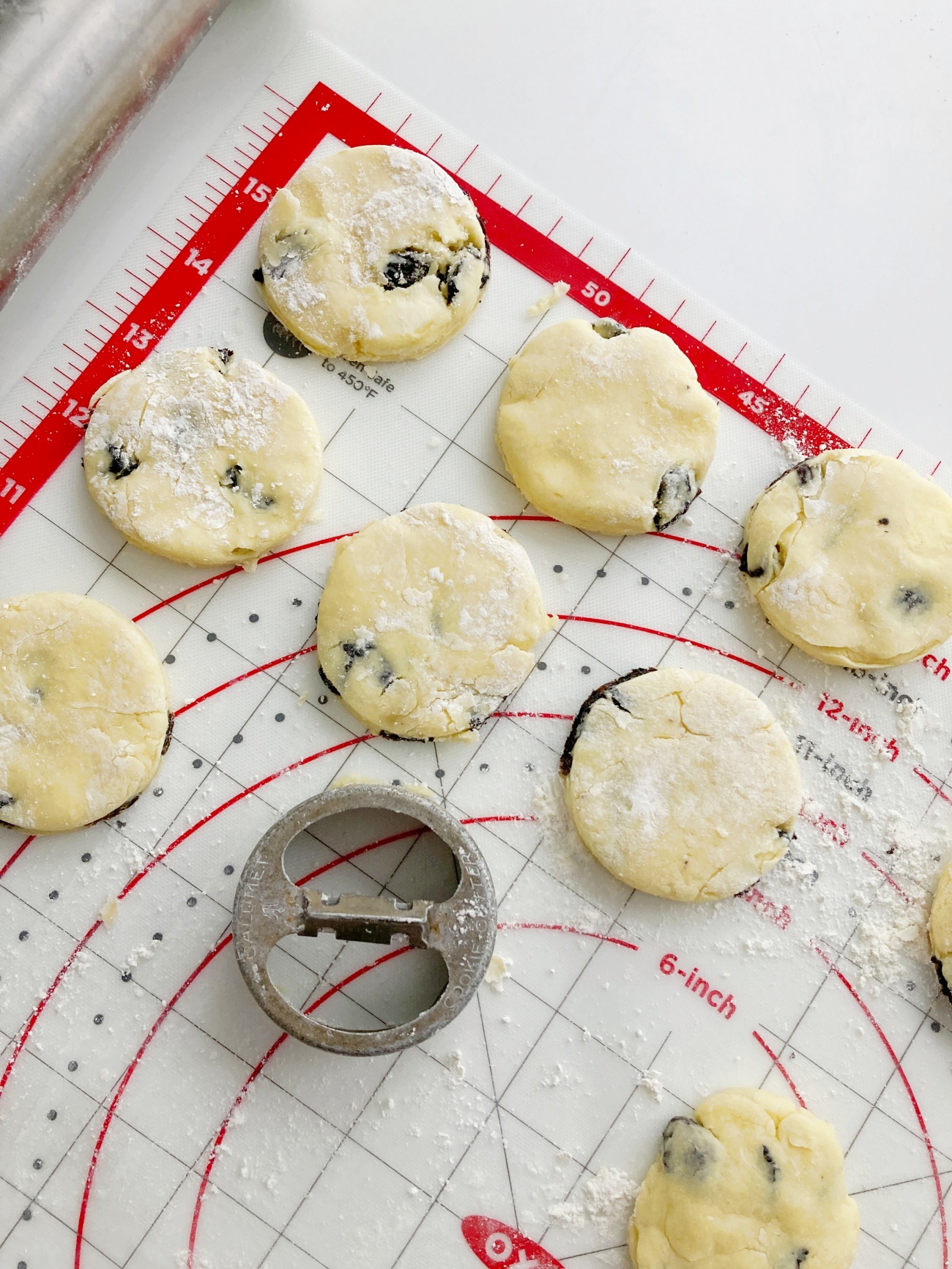
There is a lot of butter in this recipe so it’s certainly not diet food, quite the opposite in fact. These cakes are meant to be celebratory as St. David is the patron saint of Wales. Though it’s not a “bank holiday” as they say, this occasion is often celebrated with parades, dances, and lots of yummy food. It’s generally a time for celebrating Welsh culture and many people wear traditional dress for the day.
Enjoy these treats alongside some Welsh rabbit or have them for a tasty breakfast treat with some piping hot tea.
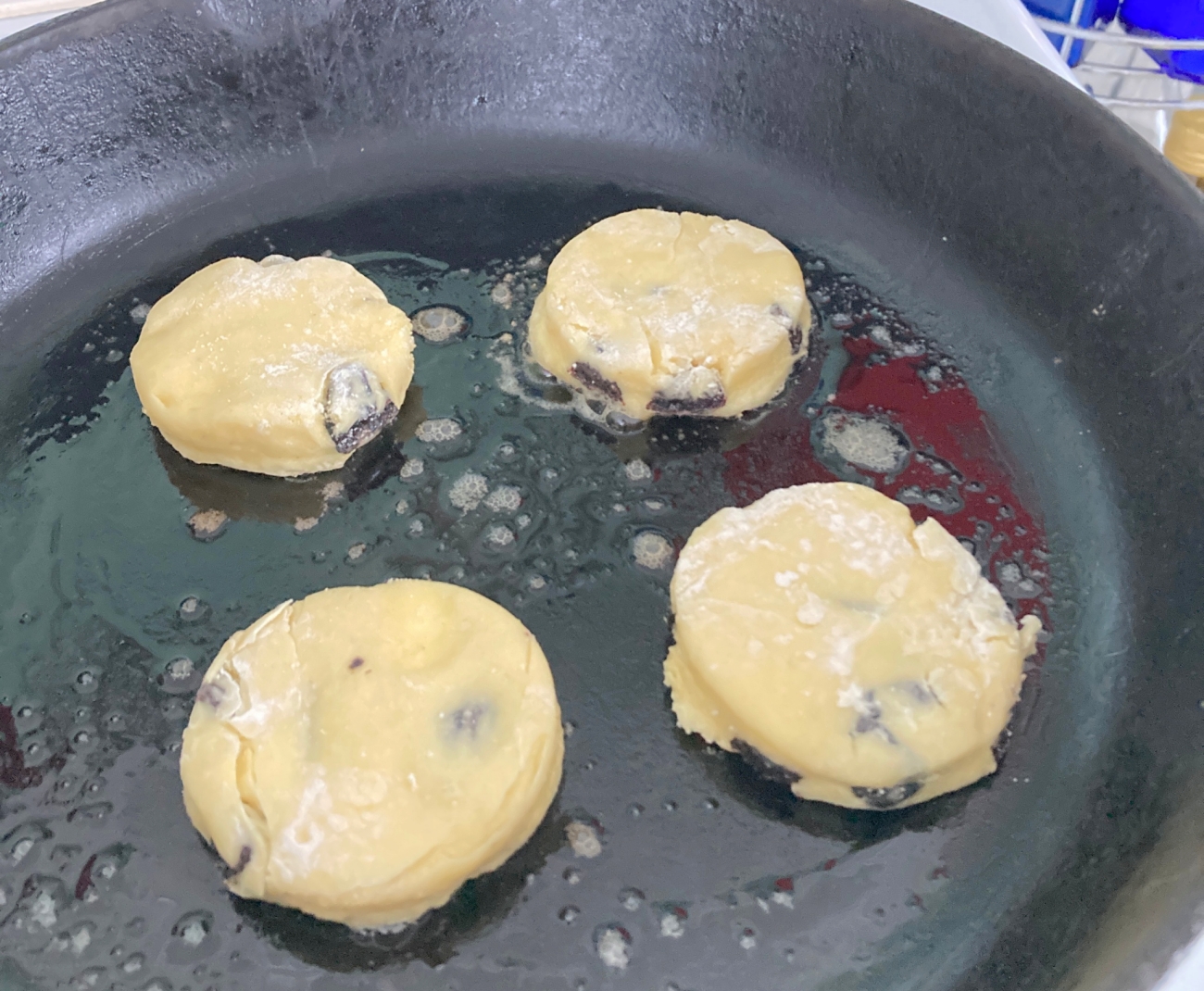
A note on frying these cakes: you’ll want to make sure you use a cast iron pan for this so they don’t stick. The added bonus is that they taste wonderful with the cast iron flavor on them.
If you have a flat griddle then that’s even better. I set my burner to 4 (out of 10) to make sure they would cook without getting scorched. Don’t worry if they look too flat going into the pan. The self-rising flour ensures they perk up as they cook.
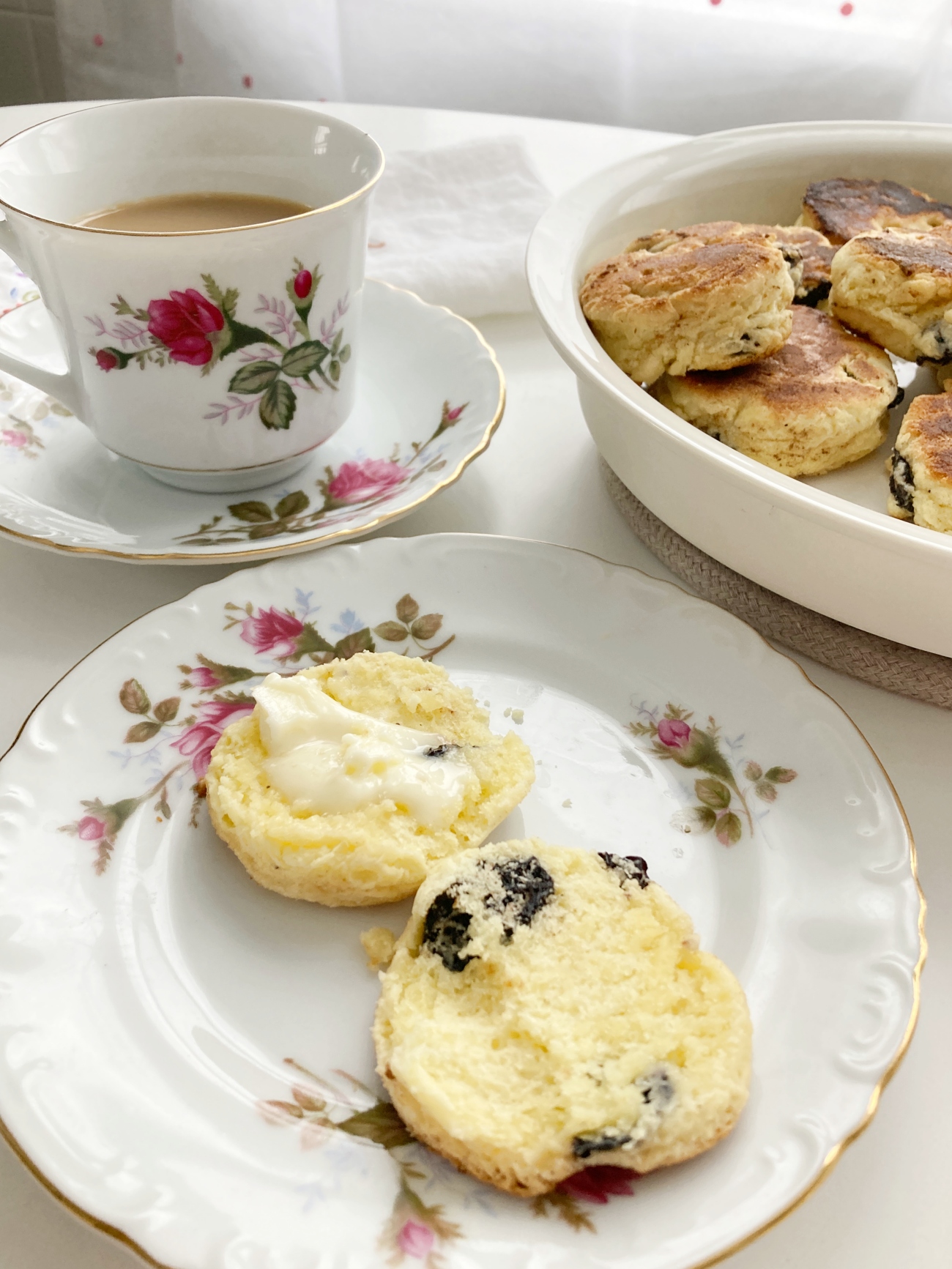
I also set the finished ones in a pan in the oven on its lowest setting to keep them warm while the others cooked. But, these are wonderful served cold, too.
Welsh Cakes
Diet: Vegetarian
Ingredients
- 1 1/4 cups self-rising flour
- pinch salt
- 1/4 cup powdered sugar
- 5 tablespoons unsalted butter, plus extra for greasing
- 1 egg
- 3 tablespoons milk
- 1/2 cup raisins or dried cranberries
Preparation
- Combine dry ingredients in large bowl. Cut in butter and mix until crumbly. Or use food processor to combine. Stir in milk and egg, then fold in fruit. Roll out to 1/2” or 3/ 8” thickness.
- Use 2” to 2 1/2” cookie or scone cutter to cut out cakes. Re-form and re-roll scraps to get 12-16 cakes depending on size of cutter.
- Melt some butter in cast iron skillet over medium-low. Cook cakes for 2-4 minutes on each side or until golden brown. Wipe pan clean between batches to avoid burned flour in the skillet.
- Serve with some butter or jam. Or simply dust with some powdered sugar or cinnamon sugar.
Recipe adapted from Lucy Loves.