
Doctor Shares Signs Of Head Trauma Following Bob Saget’s Death

Head injuries are not to be taken lightly. Even if you bump your head but think you’re fine, it’s always a good idea to get checked out as there could be a trauma you’re unaware of.
For example, last month in Orland, Bob Saget ended up passing away as a result of a head trauma.

According to Fox News, authorities have determined that Bob passed from accidental head trauma. They believe he likely fell and hit the bathroom floor directly or something of a similar blow, before going to sleep. No drugs or alcohol were involved.
This revelation caused a lot of people to wonder if such an injury and subsequent tragedy could’ve been preventable. And that is when NBC’s senior medical correspondent, Dr. John Torres, went on TODAY in order to give more insight into the subject.
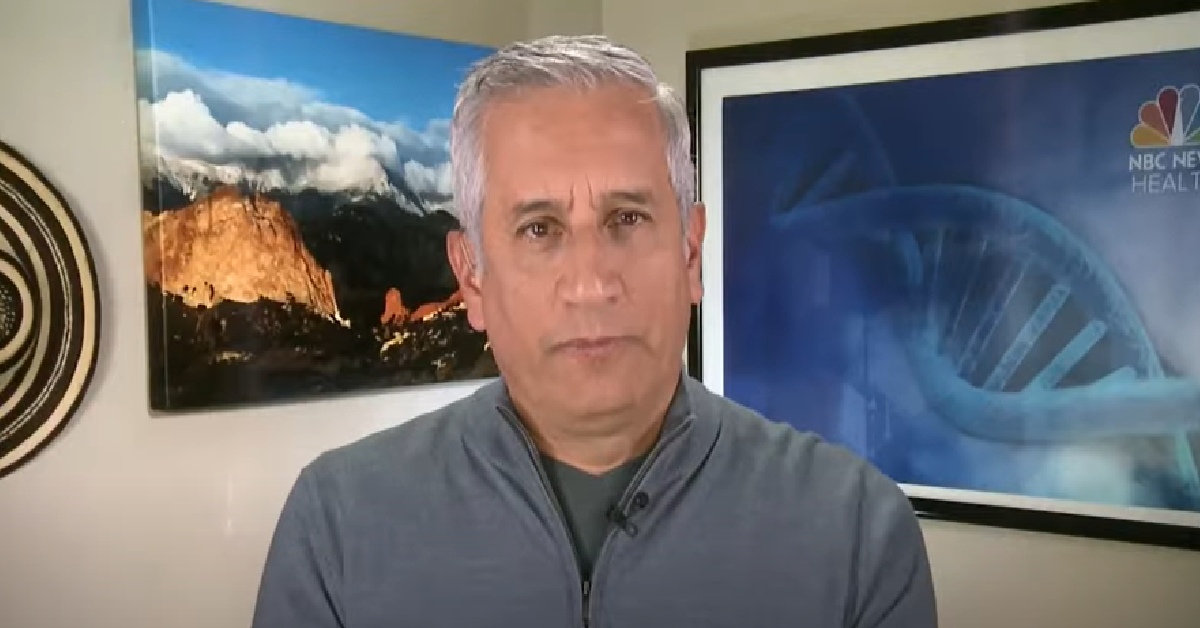
As Dr. Torres shared in the interview, there are a number of different symptoms that someone can experience after a head trauma, such as a single bump or more serious signs like headaches, vision disturbance, dizziness, nausea and confusion. As the doctor explained, these are “subtle signs that build up over time.”
In regards to what happened with Saget, Dr. Torres shared that the late actor had what is called an epidural hematoma, or a high-pressure bleed within the brain. Saget had hit the back of his head, and most likely experienced some of the above mentioned symptoms.

However, Dr. Torres also explained that sometimes after a head trauma there is a “lucid period” where the person feels fine and the symptoms have disappeared – as if the injury had never occurred. However, the symptoms will most likely return at some point. And Dr. Torres noted that a major indicator that something is wrong is when the symptoms increase in their intensity and do not go away.
Furthermore, nausea or vomiting can also be warning signs, along with dilated pupils. It is important to go for a CAT scan should you experience any of these symptoms. The earlier the better too, as these symptoms will only build up in the body and become more of a problem the longer they are left.

Of course, these types of trauma are indicative of big trauma such as a car accident or a fall. So if you accidentally bump your head on the headboard it is usually nothing to worry about.
For all the signs and symptoms to look out for in regards to head traumas, check out Dr. Torres’ segment in the clip below:
Have you ever experienced a head trauma? Let us know!