
Do You Have to Prick Potatoes Before Baking or Microwaving?

Why do we poke holes into potatoes? Prepping potatoes in this fashion is shrouded with a level of ominous fear. Horror stories of potatoes exploding dance in our heads without much first-hand experience, yet we still stick to this prep work. But do we really need to prick holes in potatoes or are the fabled potato exploding stories true?
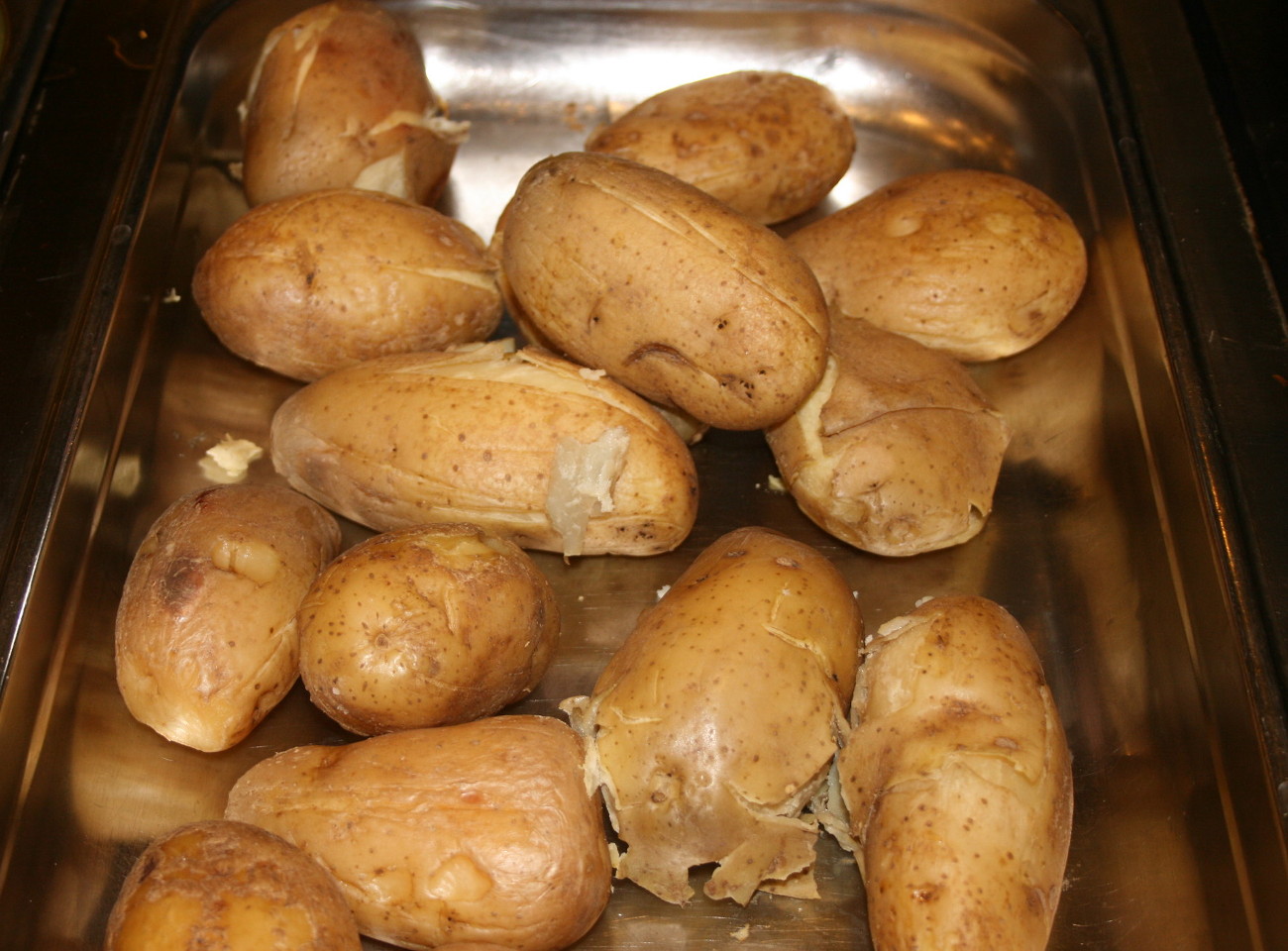
To poke holes in a potato or not? It definitely is a question! Legend has it that when potatoes (which are full of water) are heated the steam cannot escape, and the skin (which acts as a pressure seal) creates a buildup of trapped steam, causing them to explode.
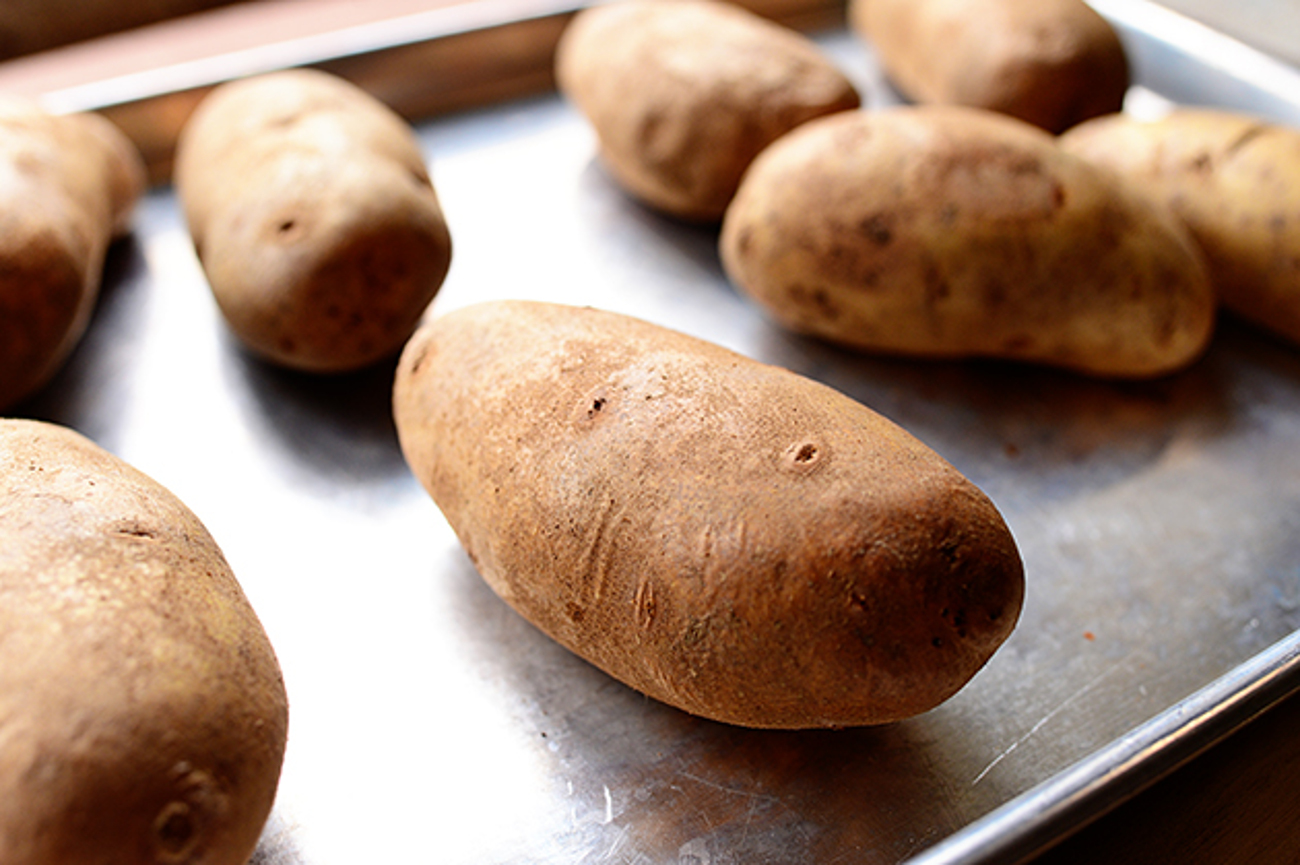
The science behind this fear isn’t wrong. When the potatoes are cooking in a hot environment, the evaporated water needs to escape somehow. If the potato skin is punctured, then steam is released, but if the potato skins are unpricked, the outer layer acts as a seal keeping the steam inside the potatoes.
So why do some potatoes explode and others don’t? Age and variety are two of the biggest factors behind bursting potatoes. Once pulled from the ground, potatoes age and start gradually lose their water content (less water equals less steam), but if potatoes are fresher then that extra water could increase the chance of explosions. Different potato varieties have different skins, so if you bake up potatoes with thicker and more fibrous skins (like that of a Russet or Idaho potato), there’s more of a likelihood of an oven disaster.

What you bake your potato in also factors into whether or not potatoes explode. Ovens tend to have a more gradual baking time (general oven baking for a baked potato is 1 ½ hours at 400 degrees F), so if there is any pressure, it releases over a longer period of time. Microwaves, however, are a different story and in fact, exploding potatoes occur more frequently in the microwave than in the oven. Since the cooking time is shorter, the pressure in a potato builds up more quickly, and the chances of a kitchen disaster are more imminent.
So at the end of the day, what is the verdict? Even after countless tests and testimonials, still just go ahead and prick your potatoes. The next potato could become that problematic potato, you never know!