5 Kitchen Gadgets that You Don’t See Anymore

In a house, the kitchen – and its contents – undergo more changes than any other room. Sure, the living room gets a new coat of paint and the bedroom gets a fancy mattress, but the functions of these upgrades are primarily the same. Evolving technologies and social norms deeply impact how we eat and prepare food. Nowadays, we don’t use the same equipment to make meals. We modernized the kitchen not simply with appliances, but also with utensils. Below, are some of the five kitchen gadgets that you just don’t see in kitchens anymore.
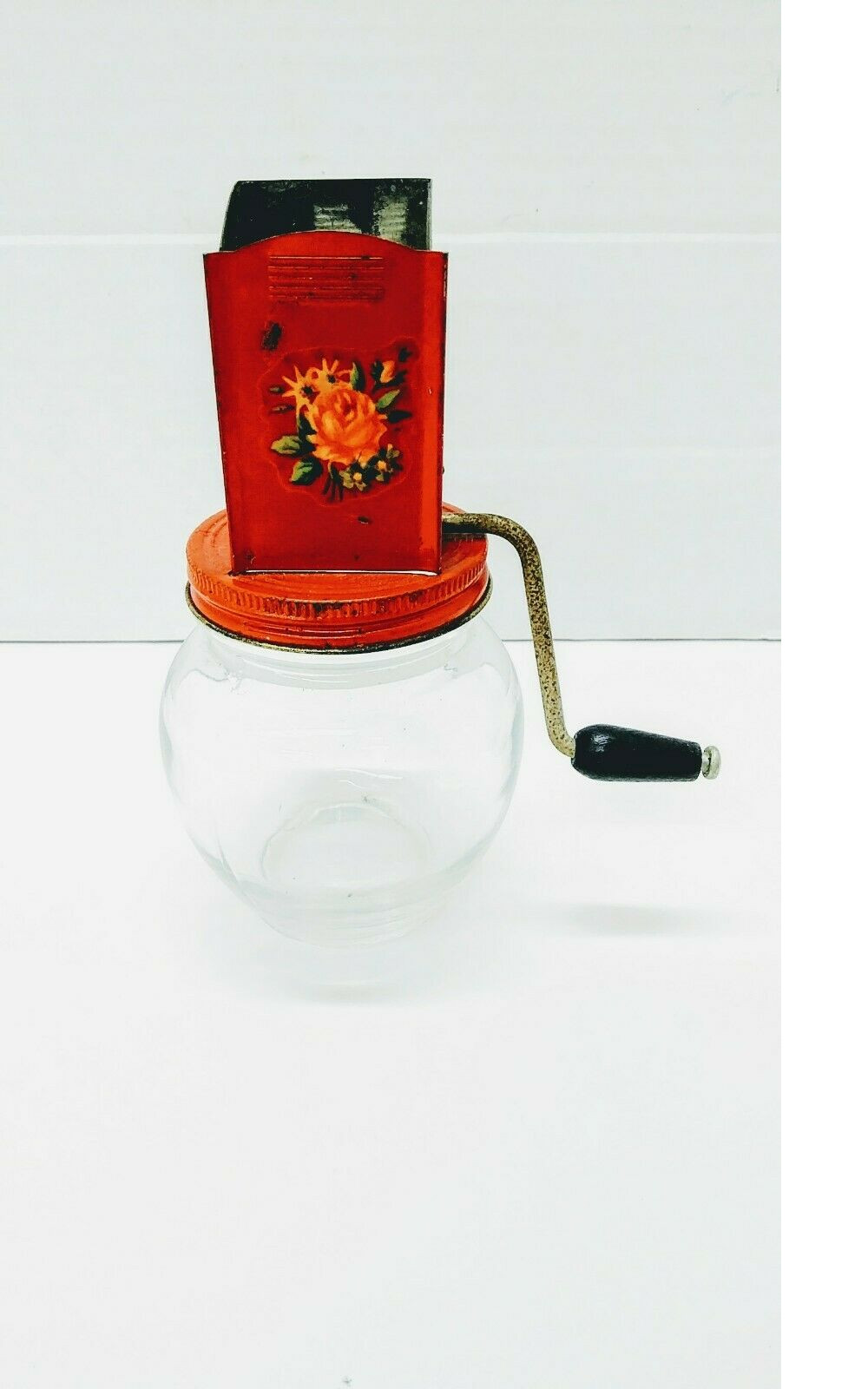
Nutmeg grinder
As early as the 17th-century, nutmeg grinders made their appearance in Europe. Owning a nutmeg grinder was a status symbol, implying you could afford an exotic spice from a faraway country like Indonesia. Yet that nutmeg grater (a glass jar with a crank grater on top) we saw in our relatives’ kitchens is an American invention. It was patented in 1850 for commercial baking use, but the design was illegally reused and sold to the consumer market. Though the nutmeg we enjoyed was never as expensive as it had been centuries before, because of its status in Europe and Europe’s influence over the American colonies, nutmeg still held a special spot in the American kitchen.
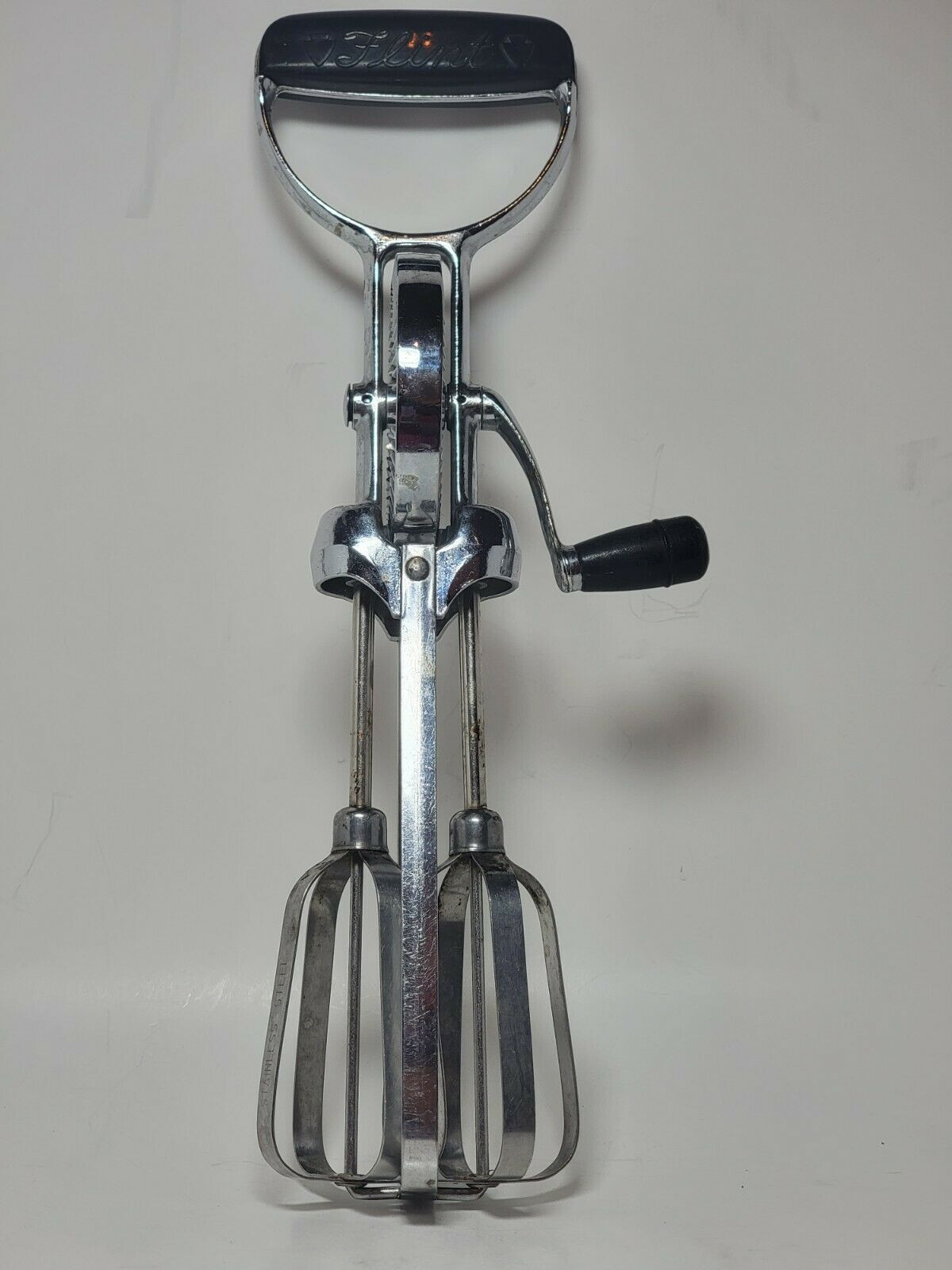
Egg Beaters
What we consider an egg beater isn’t actually an egg beater, per se, rather the contraption was meant to beat all sorts of liquids and batters. The egg beaters we know from our childhood were manufactured from 19th-century patents. Even though we’ve all seen them, we never remembered using them. Why? Well, egg beaters were not particularly functional for the home cook. Egg beaters require the use of two hands, making it hard to steady and control the bowl. Additionally, their bulky size meant it was hard to fit them into kitchen drawers. When the stand mixer became readily available for retail purchase, egg beaters just couldn’t compete and were quickly replaced with newer technology.
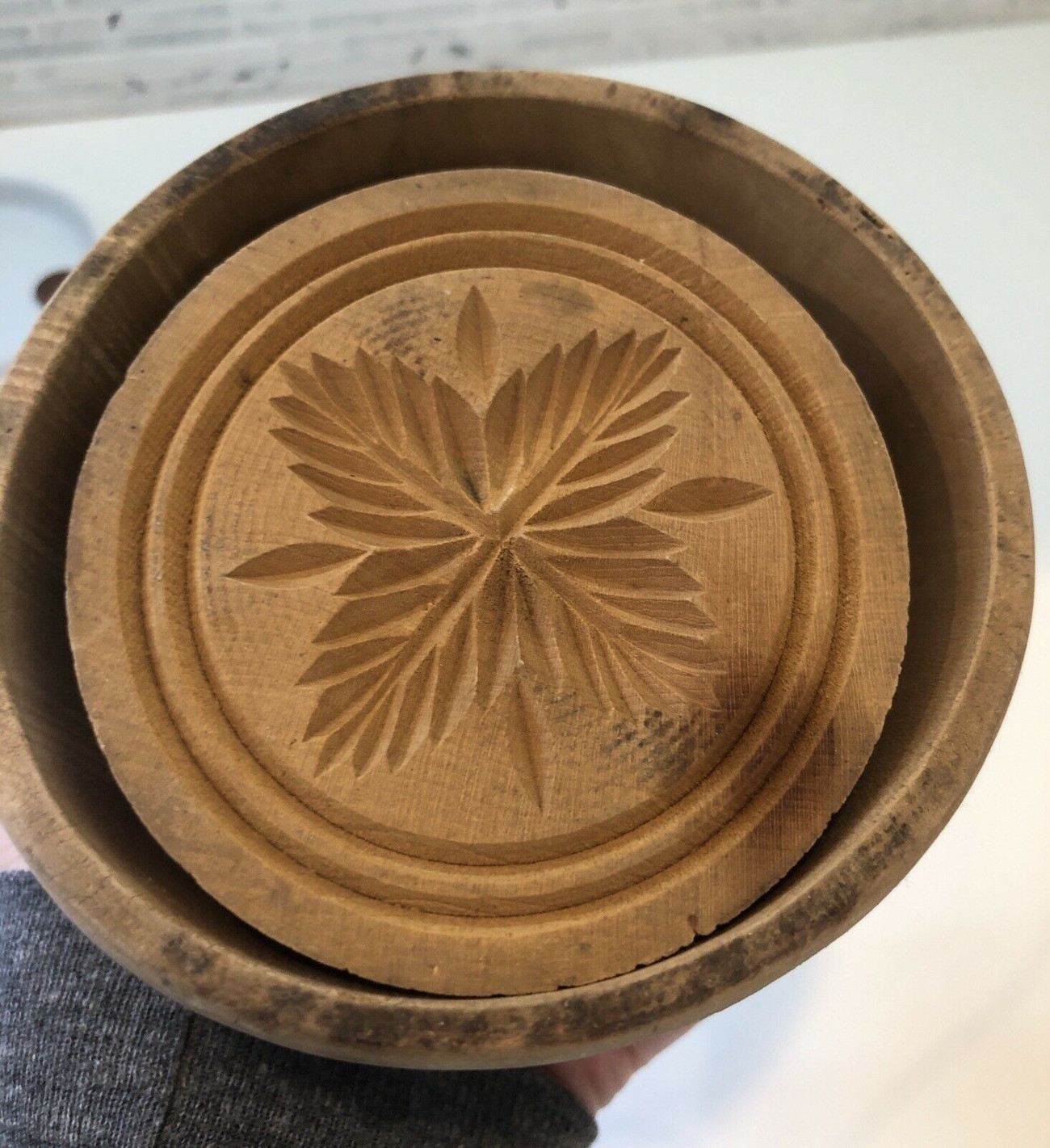
Butter Molds
Though we now think butter molds are cute decorative touches for a special holiday dinner, it wasn’t always about appearances. Back in the day butter molds served a functional purpose. Dairy farmers traded their dairy products like currency. Molding butter with a discernible image or shape allowed these farmers to distinguish their products from other competitors. Since then, with a marketplace that is currency-based and not a barter system, butter molding wasn’t necessary. As refrigeration became commonplace, the shape of butter needed to be functional. To transport butter cost-effectively, a stackable, packable block of butter won out as a standardized butter shape. If butter molding had been done in the American household, the occurrence dwindled in the 20th century. As industrialization increased, American households had fewer servants and less opulent dinners, meaning the display of elegance wasn’t practical. Throughout the 20th-century molding butter was still done for special occasions or in upscale restaurants, but by the start of the 21-century, the kitchen gadget was now quite antiquated.
Herb Cutters
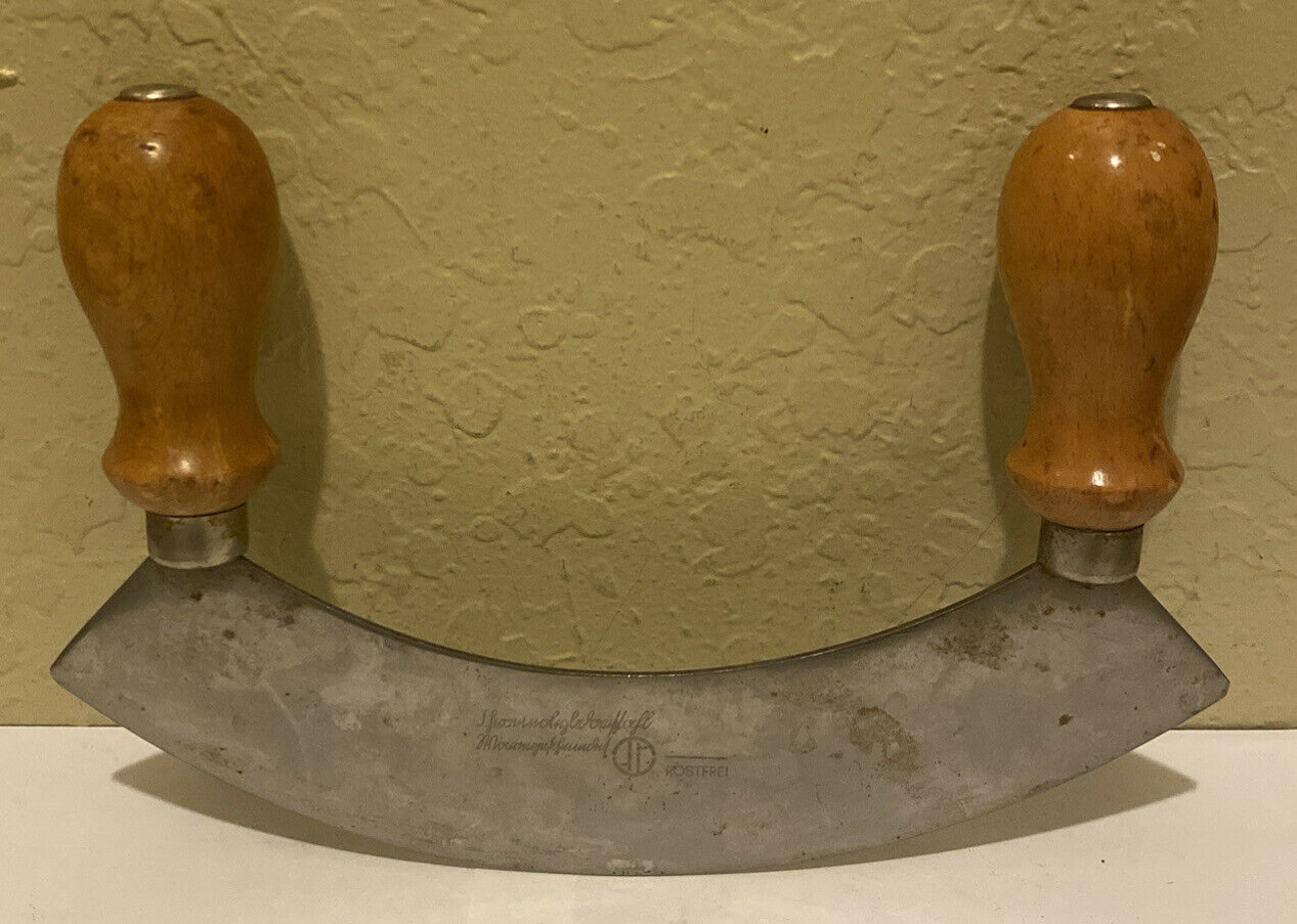
Known frequently by their Italian name, Mezzaluna, herb cutters have been around for centuries. The curved knife always had two handles to control the blade, but the blade count varied. An herb cutter can have up to three blades. Generally, an herb cutter is purchased with a shallow wooden bowl. As the blade rocks back and forth, the bowl holds the ingredients in place. Initially used by pharmacists and medicine men to concoct herbs pastes for healing, the herb cutters’ culinary uses were apparent to any cook. Quickly, cooks used herb cutters not only to chop herbs, but they used it to separate dough, slice bread, portion meat, and tenderize tough greens. As the American kitchen became smaller and prep work decreased, the herb cutter just took up too much space. Though the herb cutter is making a comeback, it is not always seen as the safest contraption to having sitting out on a countertop.
Jello Molds
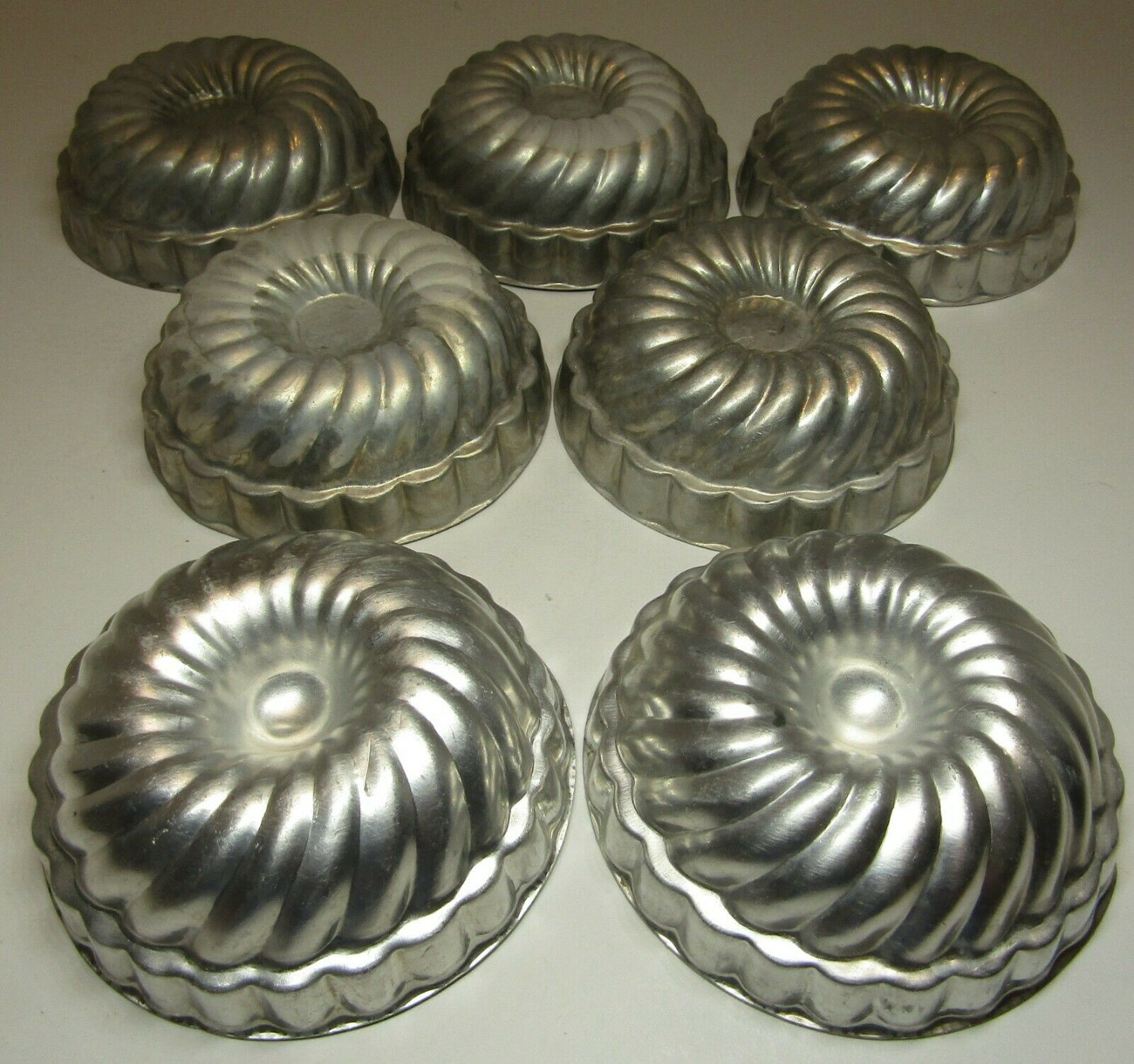
Molding food isn’t new. For hundreds of years, people have been suspending food in clear gelatinized substances. Having a glass-like clarity to the gelatin demonstrated the wealth of the dinner hosts. Clear gelatin meant you had many servants who could labor over a stove to clarify the collagen from the bones. Yet the use of gelatin molds had a different connotation in America. The advent of commercial gelatin, the most famous brand being Jell-O, coincided with a new culinary trend – home economics. For the American housewife, Jell-O molds took on a scientific and practical use. In the book Perfection Salad, the Jello-O molded salad embodied the spirit of the scientific home economist – containment, ease, efficiency, and cleanliness (Shapiro, 2008). Everything was within the perfect borders of a Jell-O mold. Again industrialization and a change in the workforce altered the way people ate. When compared to frozen ready meals, Jell-O molded meals weren’t so easy anymore. The molds became decorative wall features instead of functional kitchen gadgets.