
Scientists Share How Much Sleep Adults Actually Need

When you think about your health, there are a few key factors to ensure that it is at the highest level possible. We want to eat a good diet, get plenty of exercise, and ensure that we are getting the proper amount of sleep.
Although we know that sleep is important, there have always been questions about exactly how much sleep we need every night. Even the general guidelines tend to be rather broad, as they say it is anywhere from 7 to 9 hours per night.

According to a recent study done on mice, however, those numbers may not be the entire story. In some cases, the research suggested that as little as four hours of sleep is needed every night if you want to wake up refreshed.
There was also a study in the United States that showed how difficult it could be not to get enough sleep. That research showed that it may interfere with your ability to think clearly.
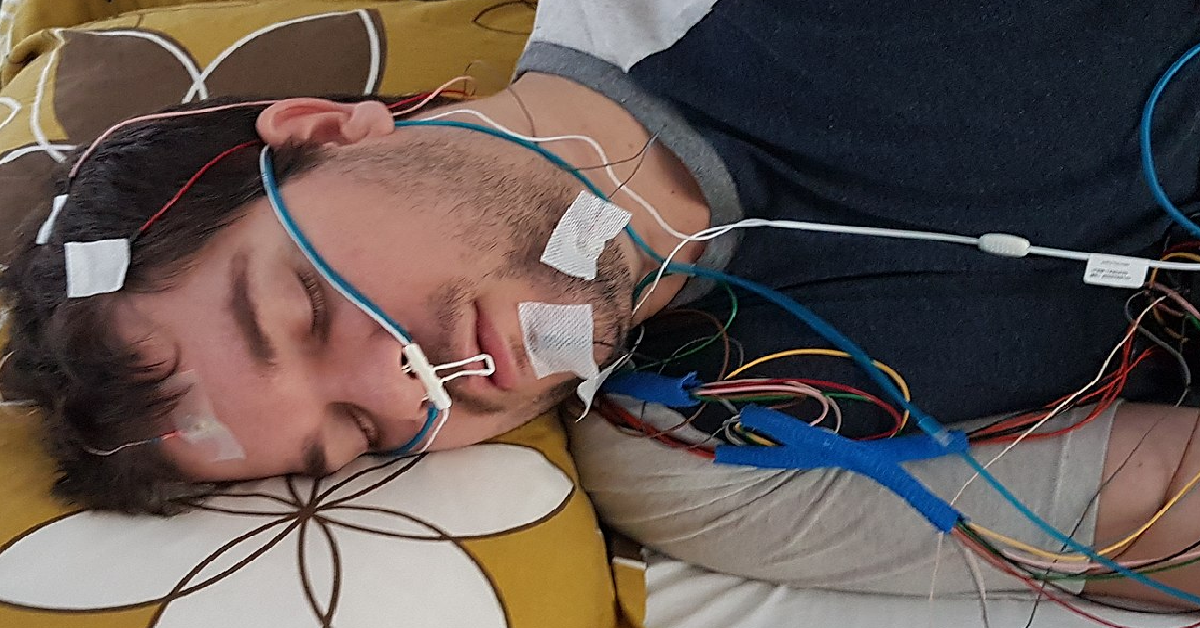

In that study, experts showed that if you slept less than 4 to 5 hours per night, you were at a greater risk for a cognitive function decline in comparison with those who slept at least 6.5 hours per night.
Whether or not those numbers were skewed is up for debate. It is noteworthy that everyone who took part in the study struggled with getting quality sleep.
Something that was also discovered is how sleep duration really has a significant impact on the brain. That impact is similar to what is experienced when somebody ages.

There were also some who took part in the study that were able to get between 4.5 and 6.5 hours a night of sleep and it was right in the sweet spot for them.
According to The Conversation Greg Elder is a senior lecturer in psychology and he said that the researchers aren’t sure why lacking sleep could cause a lapse in brain function.
He said: “One theory is that sleep helps our brain flush out harmful proteins that build up during the day. So interfering with sleep might interfere with our brain’s ability to get rid of these.”

Elder went on to say that even a single night of sleep deprivation can increase the brain levels of beta-amyloid in healthy people.
He also said that the findings are surprising, because most experts in the field, including the CDC and the NHS, say that a minimum of six hours of sleep is needed for most people every night.
“The study showed that sleeping longer than 6.5 hours was associated with cognitive decline over time – this is low when we consider that older adults are recommended to get between seven and eight hours of sleep every night.”

He went on to talk about the length of sleep and how that may not be what matters but the quality of sleep could make a difference in the development of dementia.
Then again, he did bring out that the 100 participants in the study who slept longer may have had underlying issues that were not determined by the tests that were taken.
Researchers did make adjustments in the tests for factors associated with dementia but pre-existing conditions may have been something that could have contributed to a decline in mental function as well. This could include poor health, socioeconomic status, or physical activity levels.

Then again, there was another study in the United States that found how much we sleep is associated with our genetics.
In a press release from the University of San Fransisco, neurologist Louis Ptacek, the lead author of the study, had the following to say: “There’s a dogma in the field that everyone needs eight hours of sleep, but our work to date confirms that the amount of sleep people need differs based on genetics.”
“Think of it as analogous to height; there’s no perfect amount of height, each person is different. We’ve shown that the case is similar for sleep,” he added.

The study focused on individuals who were able to function on between four and six hours of sleep a night. This is a condition known as Familial Natural Short Sleep (FNSS).
It’ll be interesting to see more further research reveals on the matter!