
Is There A Difference Between Heavy Cream And Whipping Cream?

Need creamy comfort? No worries because heavy cream is on the way to fill the position, no interview is required! For things like a fettuccine alfredo or a caramel sauce, there’s very little room for substitutions — you need heavy cream. But when you go to the dairy section, right next to the heavy cream, you will see another product — whipping cream. What gives? Is there a difference between heavy cream and whipping cream?
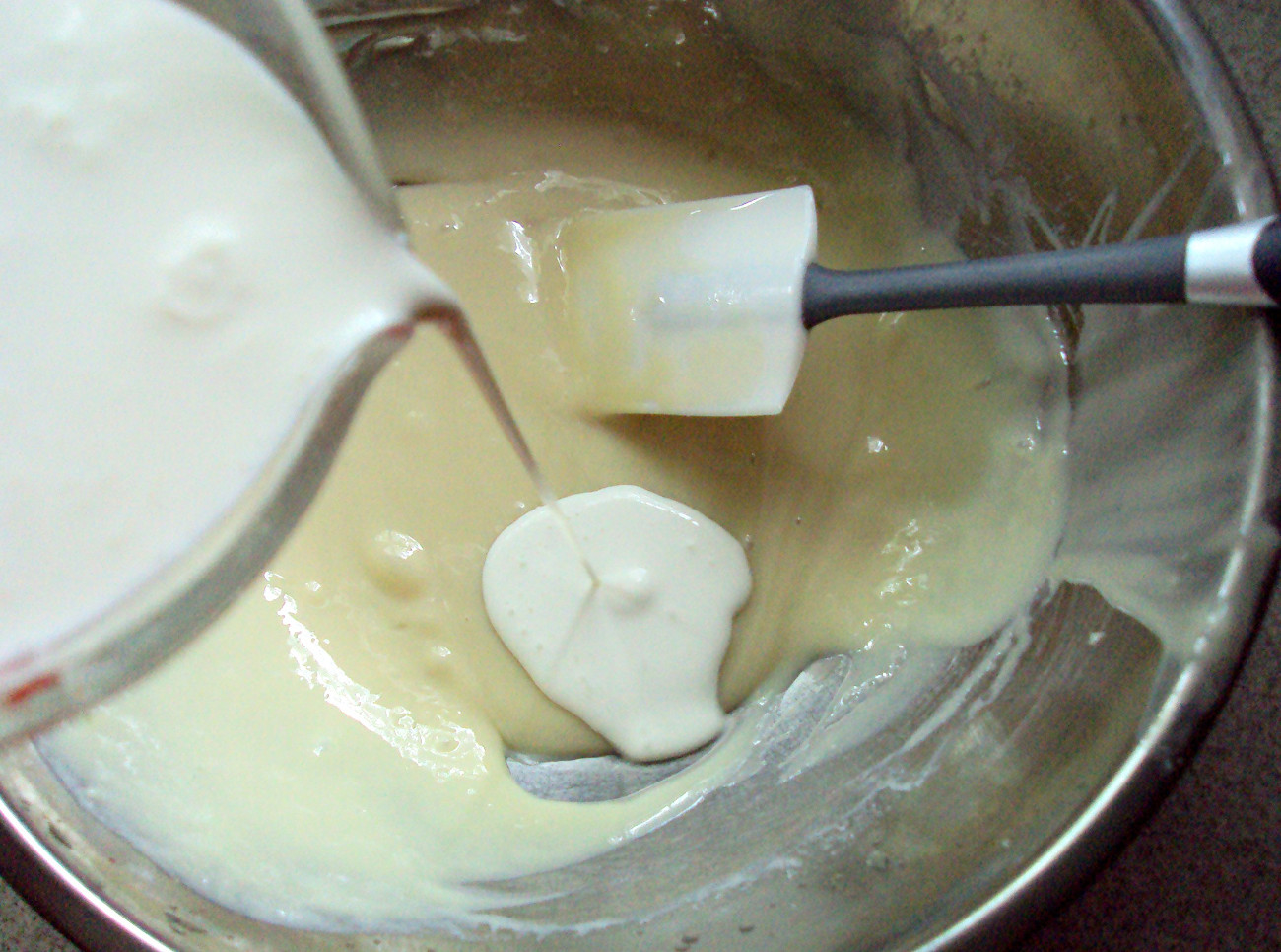
You may think that cream is cream, but with dairy products, the cream is a game of numbers. If you look at the Food and Drug Administration’s site, their definition of heavy cream is pretty precise. Heavy cream, the creamiest of dairy products, has to have a minimum of 36% milk fat.
Whipping fat is manufactured just like heavy cream, but its ratios of milk fat are a tiny bit different. This creamy product is a little less rich; most brands have a milk fat range of 30% to 36%.
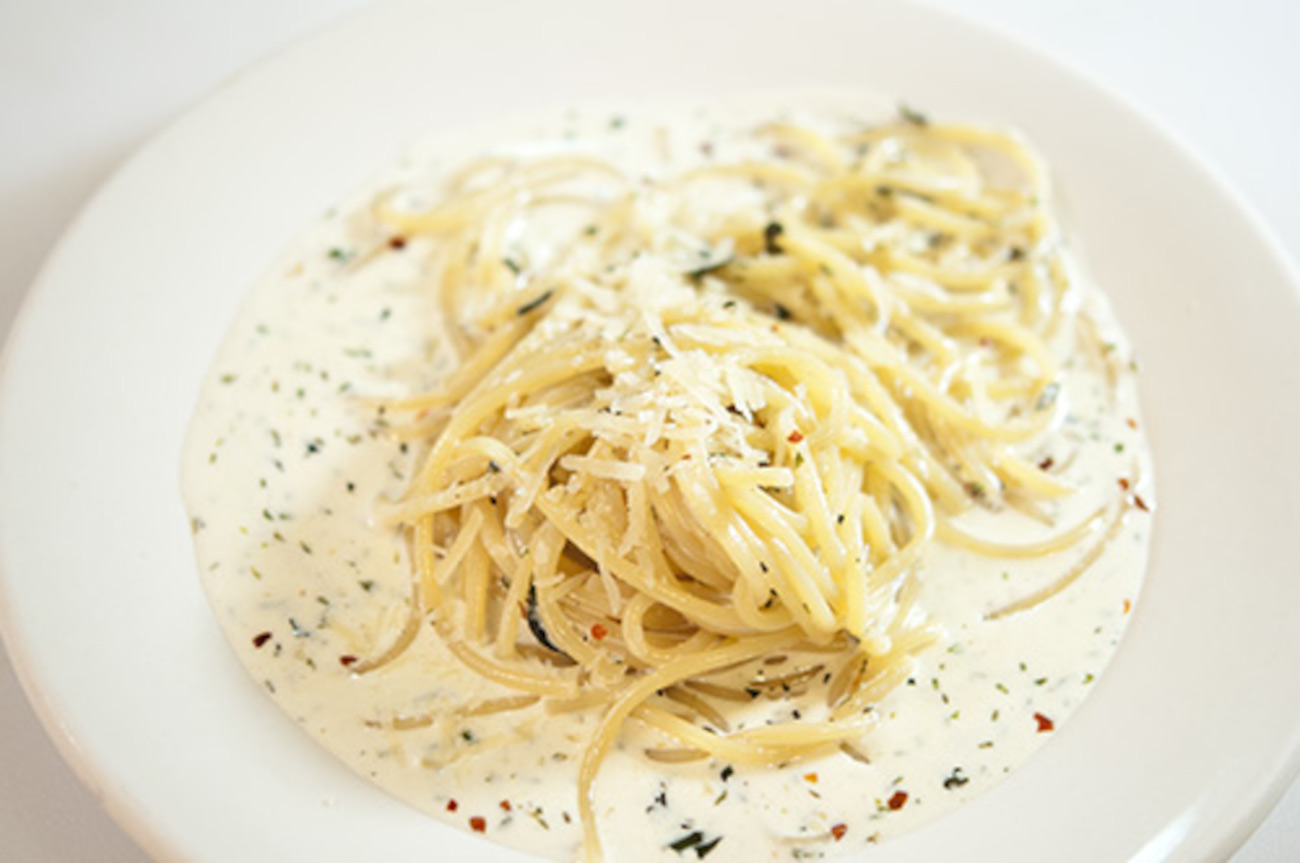
So what if whipping cream has less fat does it matter which cream you use in cooking? Technically you can use the two creams interchangeably, but you will get different results. Heavy cream is better for whipped cream, and this richer dairy holds its shape longer. The staying power of heavy cream is crucial in things like mousse or whipped cream-based pies. Alongside the extra fat comes extra emulsive powers, so heavy cream’s fat binds liquids in a soup or sauce.
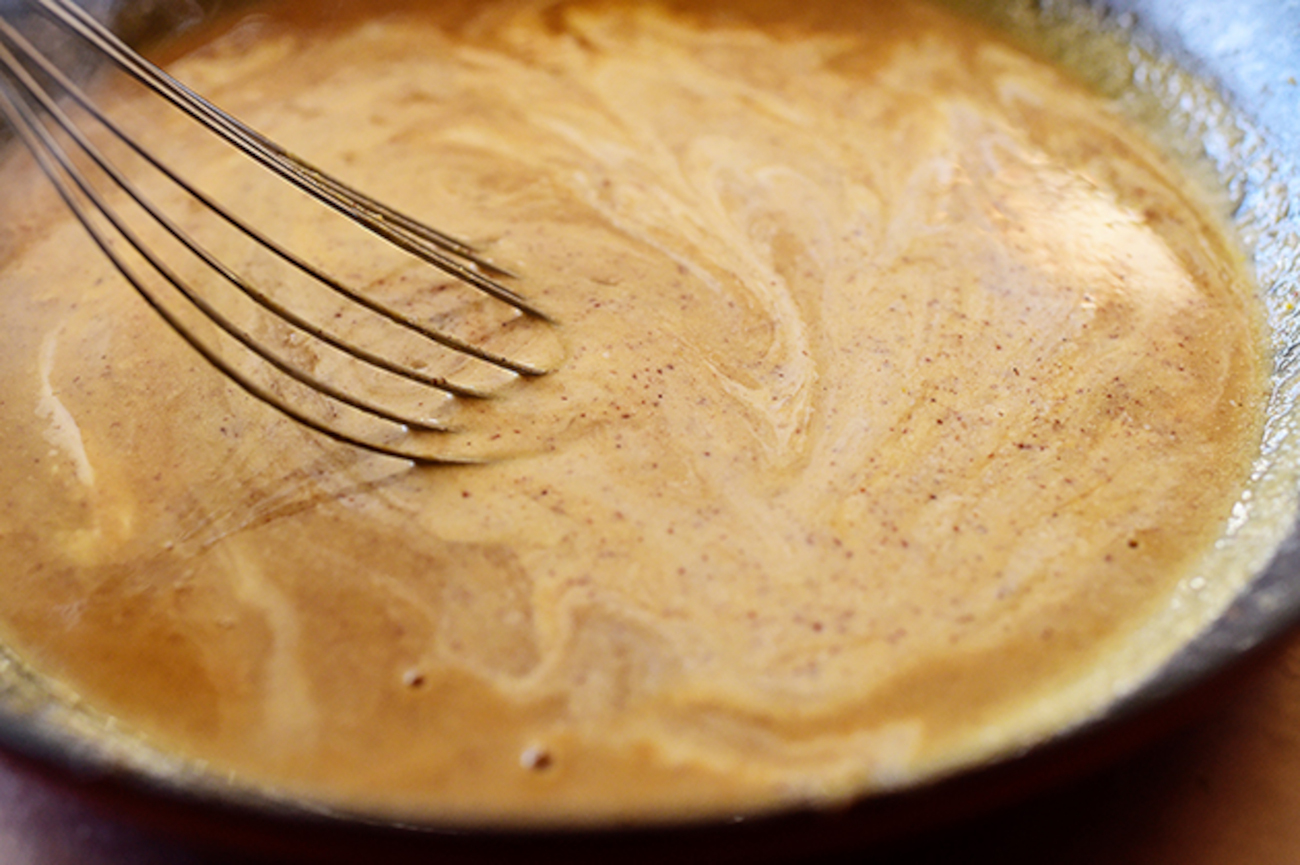
If you have other high-fat ingredients — like sour cream, cream cheese, or cheese — you can substitute heavy cream for its light whipping cream brethren. You can still use whipping cream for whipped cream, but because of its lower fat content, this less fatty contender will have a lighter, billowy texture. Whipping cream is great for coffee drinks, the soft peaked whipped cream blends smoothly with the other ingredients.
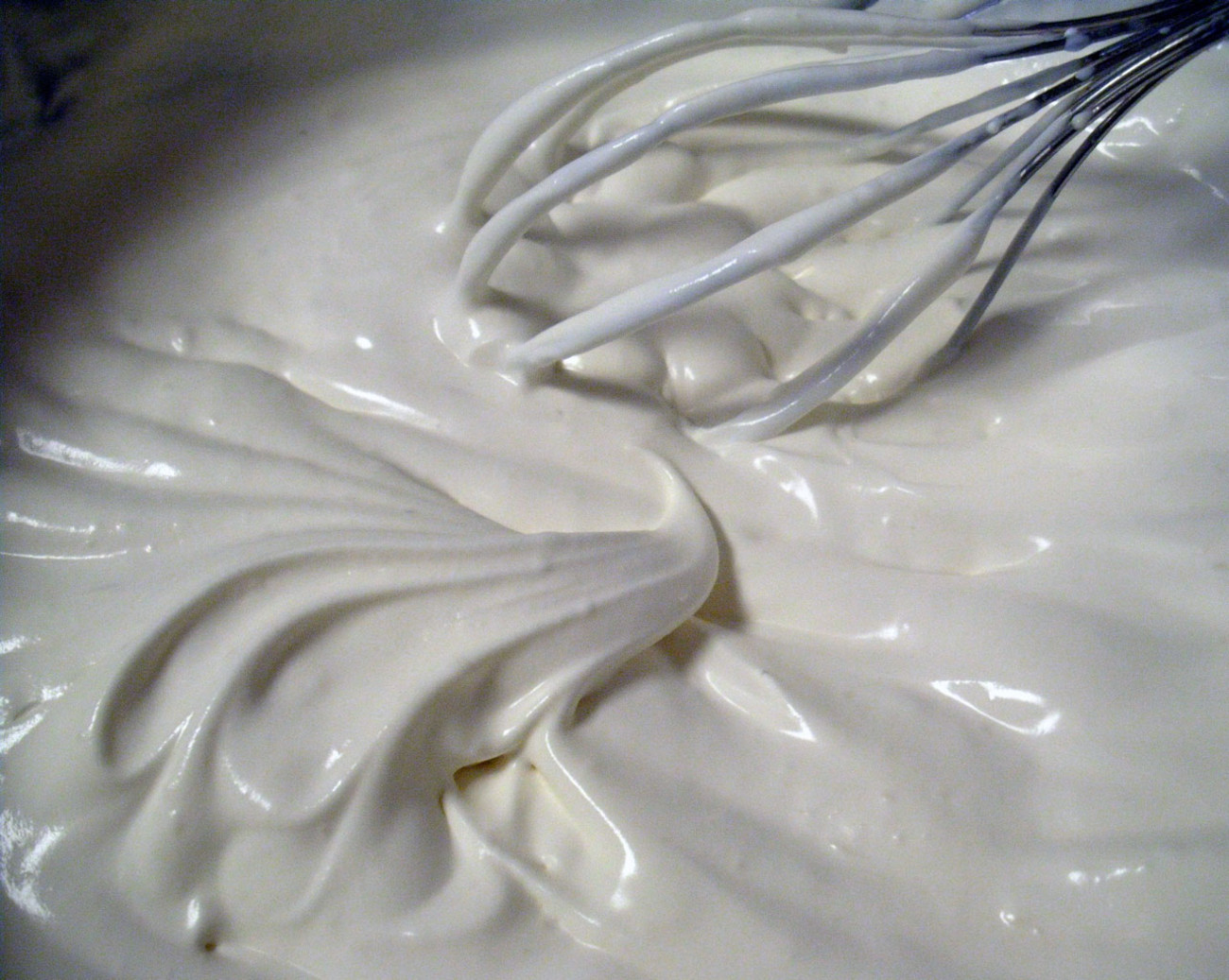
In reality, heavy cream is king, but if you only have whipping cream on hand — don’t fret. If you use whipping cream, understand that your dish won’t be as rich or silky.