
Can You Use Baking Soda and Baking Powder Interchangeably?

I think we all have both baking soda and baking powders expiring somewhere in our pantries. Call it a stroke of bad luck, but I always have one or the other but never both which got me thinking, can I use baking soda and baking powder interchangeably? Before you start swapping these two leaveners, know that they have different usages.
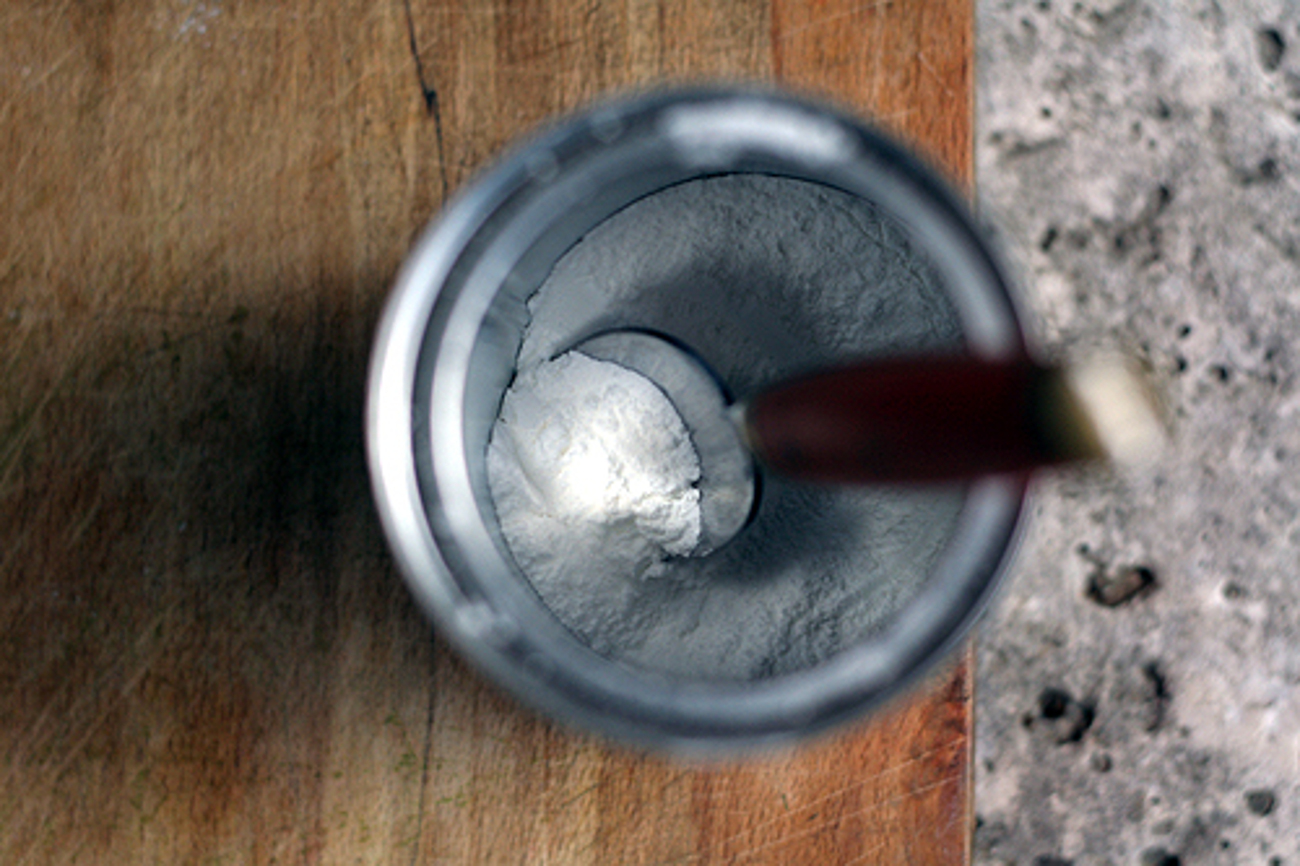
Modern baking powders are a mix of aluminum compounds that assure that bakers will get a good bench rise (leavening that happens before the batter enters the oven) and oven rise (leavening that occurs when exposed to heat). Monocalcium phosphate (MCP) goes to work once exposed to liquid and sodium aluminum sulfate (SAS) is activated when exposed to heat. So this is where you get the term double-acting baking powder.
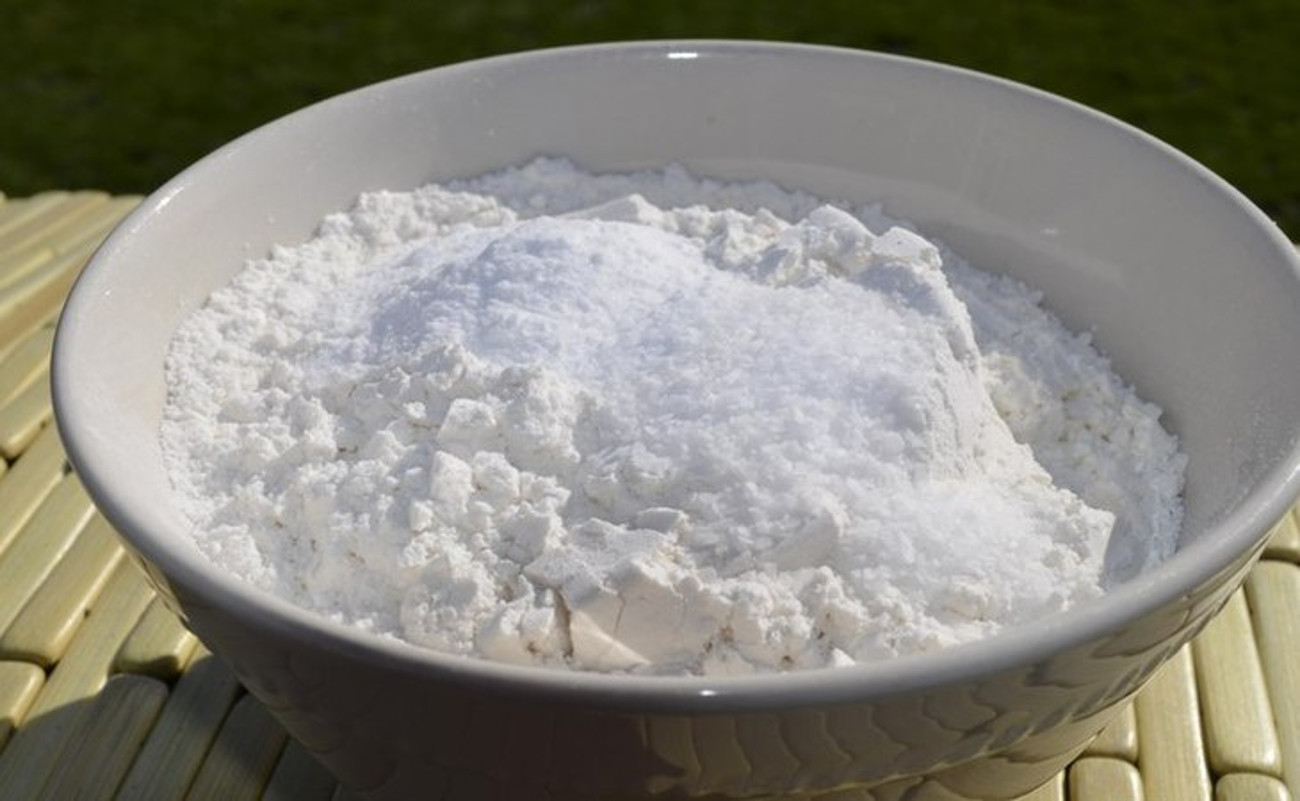

The aluminum-free baking powder (which contains citric acid) still performs just as well, but it’s best to put the batter into the oven sooner rather than later as it immediately reacts with moisture.
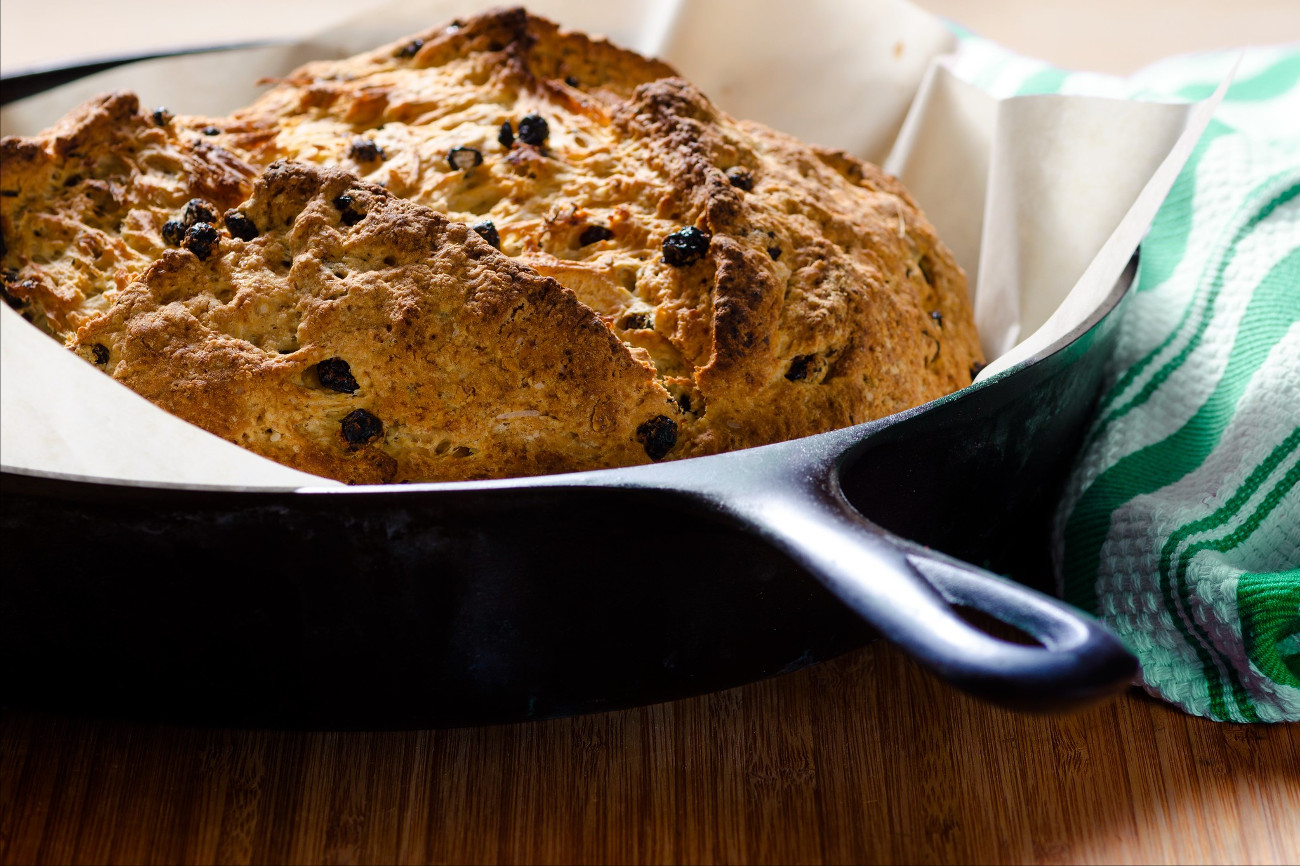
Baking soda doesn’t have the same oven rise as baking powder and unlike baking powder, which has corn starch to separate the compounds for reacting, baking soda immediately reacts (think volcano science experiment). Once you add a moist ingredient, like buttermilk or sour cream, you’ll start to see bubbles in your batter. Since baking soda has a high pH, it creates an excellent golden brown color.
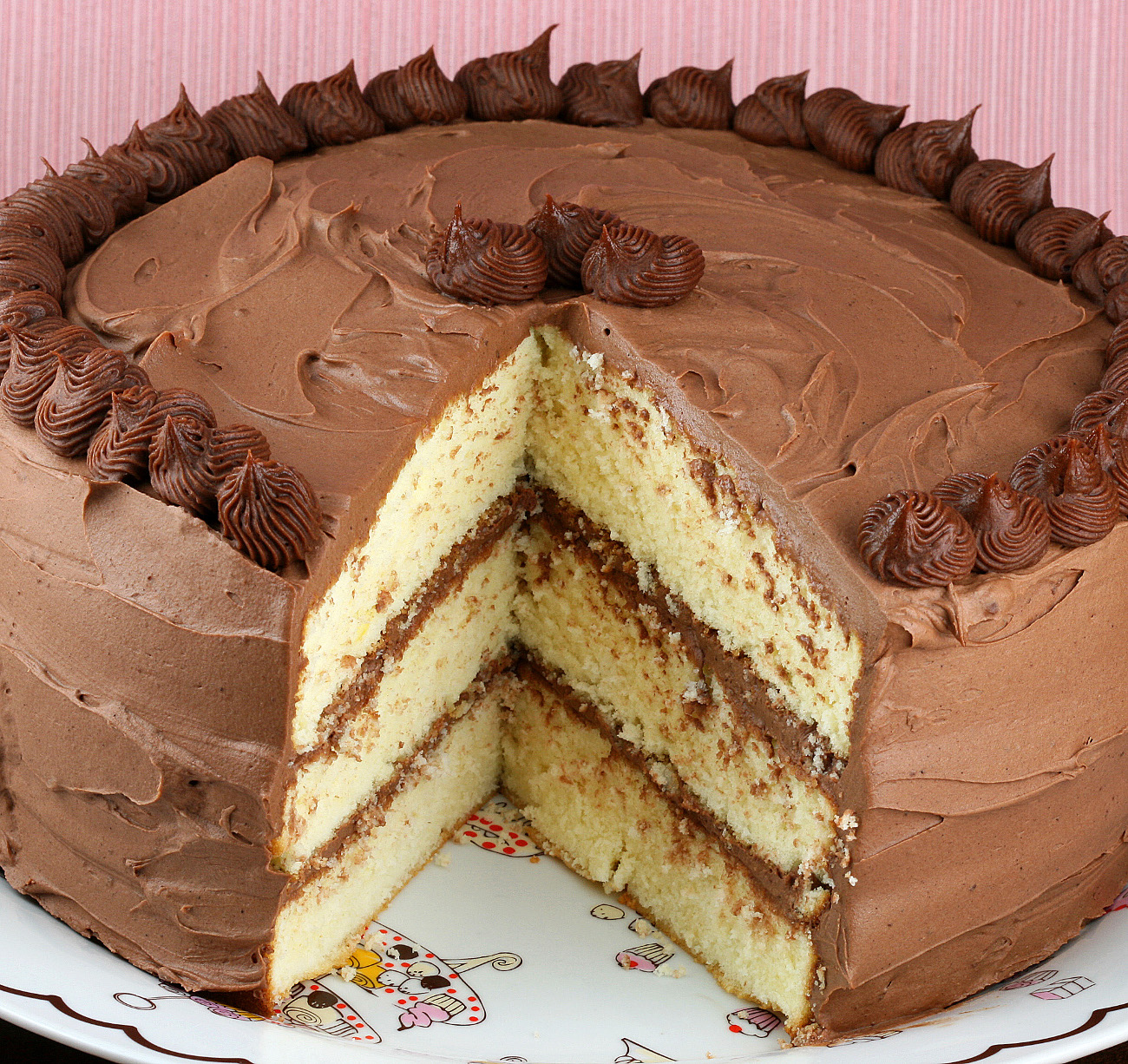
So what happens when you only use baking powder or baking soda? If you only use baking powder, you won’t get a lot of browning or color, which is fine for recipes like delicate cakes and cupcakes. The starches in the baking powder keep it from spreading and you get a good rise with a delicate crumb. When you only use baking soda you get squatter, denser baked goods that sometimes have excessive browning.
When it comes down to it, substituting one for the other isn’t really an option. As much as we want to avoid a trip to the store there’s really no good way to substitute these leavening agents.