

Everyone has wanted a bit of glitter going back centuries, and it can be seen with sequins. These small disks painted in a variety of colors bounced light and added texture to garments like no other detail (except if you count crazy expensive jeweled or gold details). Yet you’d be surprised to know that this now commonplace costume detail was, for a long time, made of gelatin.
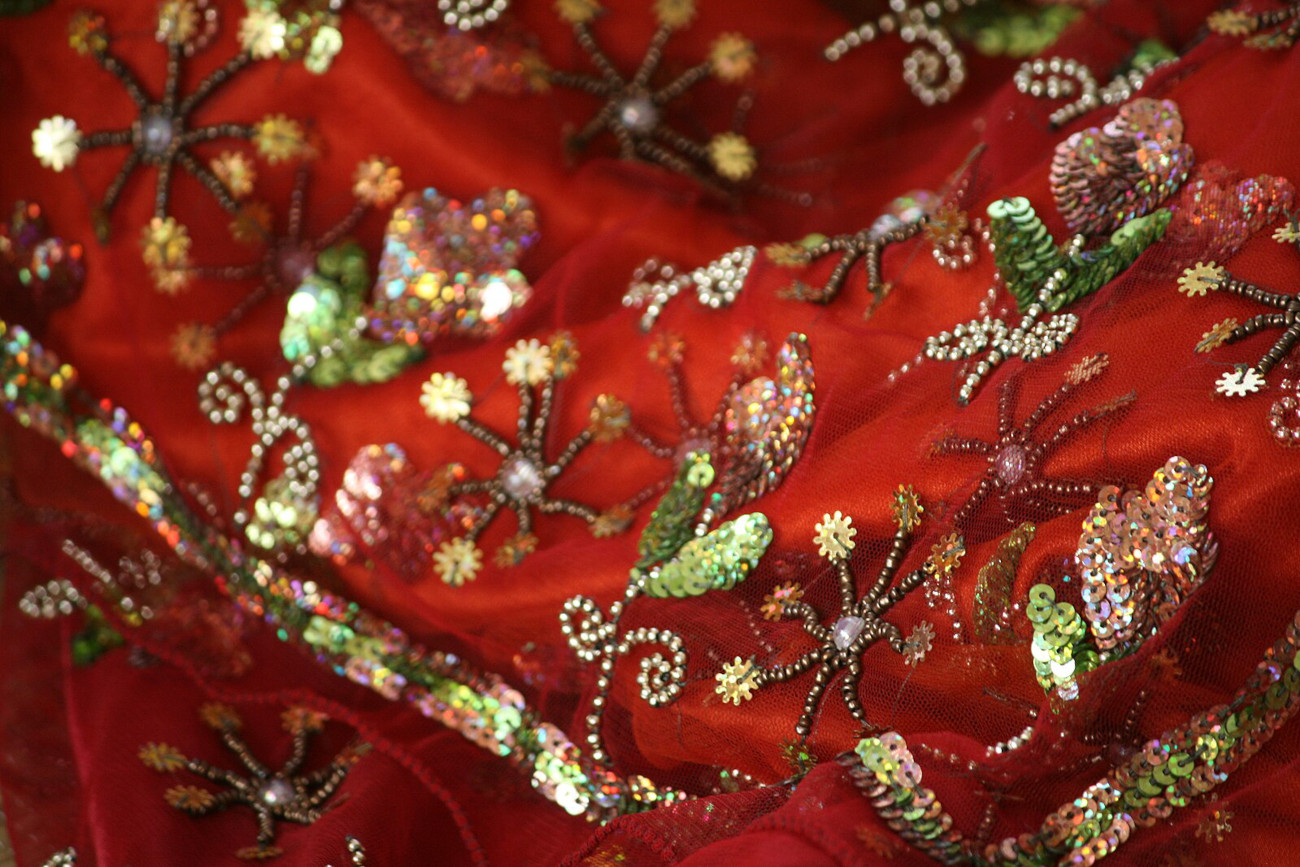
It wasn’t always made of gelatin; in fact, sequins were initially made from seashells dating back thousands of years ago. During the Medieval and Renaissance periods of Europe, they were made of metal. Bedazzling your clothes with sequins was a visual way to display wealth. Seen as representations of coins, the labor and cost of the sequins would further showcase one’s income. Even the word sequins has some meaning of wealth. The word sequins in Arabic, zikka, means coin, and the Venetian term for gold coin, zecchino, has strong linguistic ties to the modern-day word. The demand for sequins was present enough for Leonardo Da Vinci to create a sequin-making machine that would punch out disk-shaped sequins out of metal. Simply put, sequins were a sign of wealth.
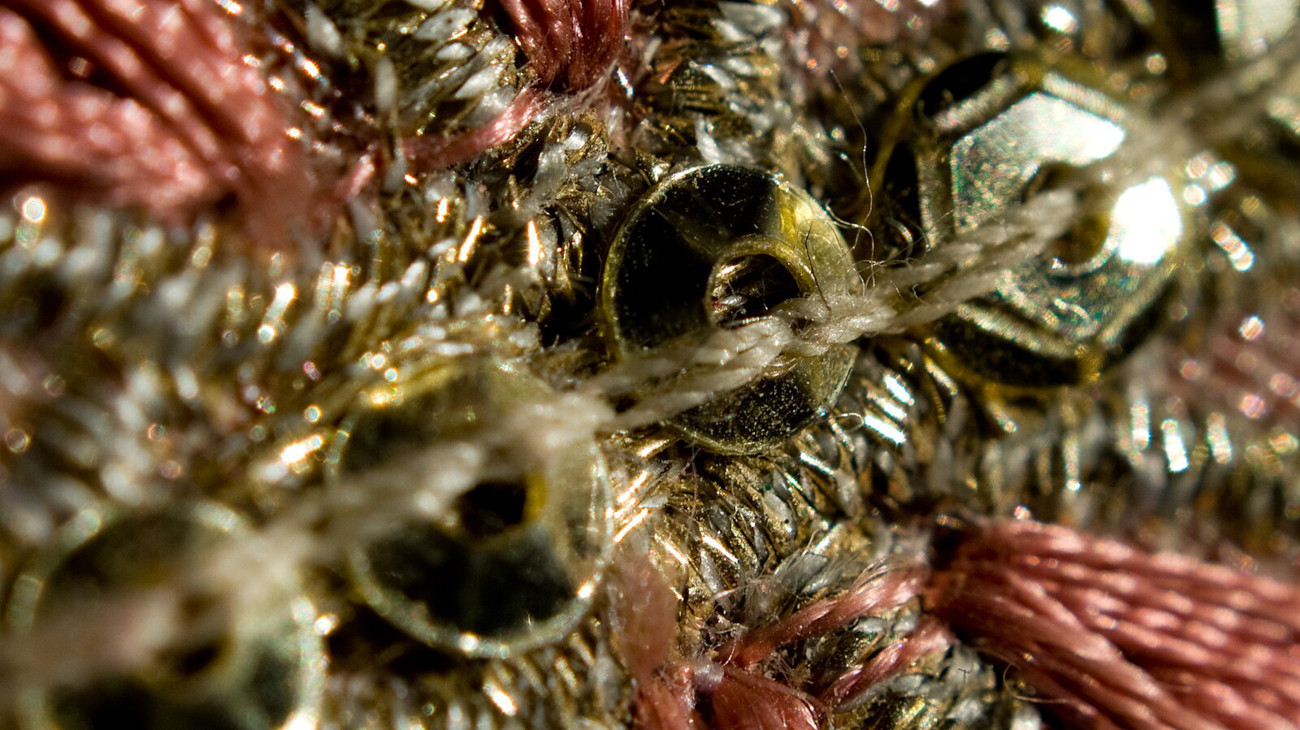
Yet, during the 19th century, sequins were made from a different medium: gelatin. If one looks at these predecessor sequins, many would be unimpressed. Their flat appearance and painted color don’t give them the same luminosity as the sequins of today. These sequins were made with one of two ingredients: gelatin or casein (an early plastic derived from a milk-based protein) and were colored with lead paint.
Sequins made from gelatin or casein were a hassle to handle. They would warp or even dissolve away when they came in contact with heat, humidity, or moisture. This meant that items with these sequins couldn’t be washed. Natural heat zones, such as chests, upper necklines, and armpits, where people usually sweat, would cause the sequins to melt or become deformed, appearing salted and corroded due to the salt in sweat, resulting in clothes with crusty, lumpy sequins or weird bald patches with no sequins at all.
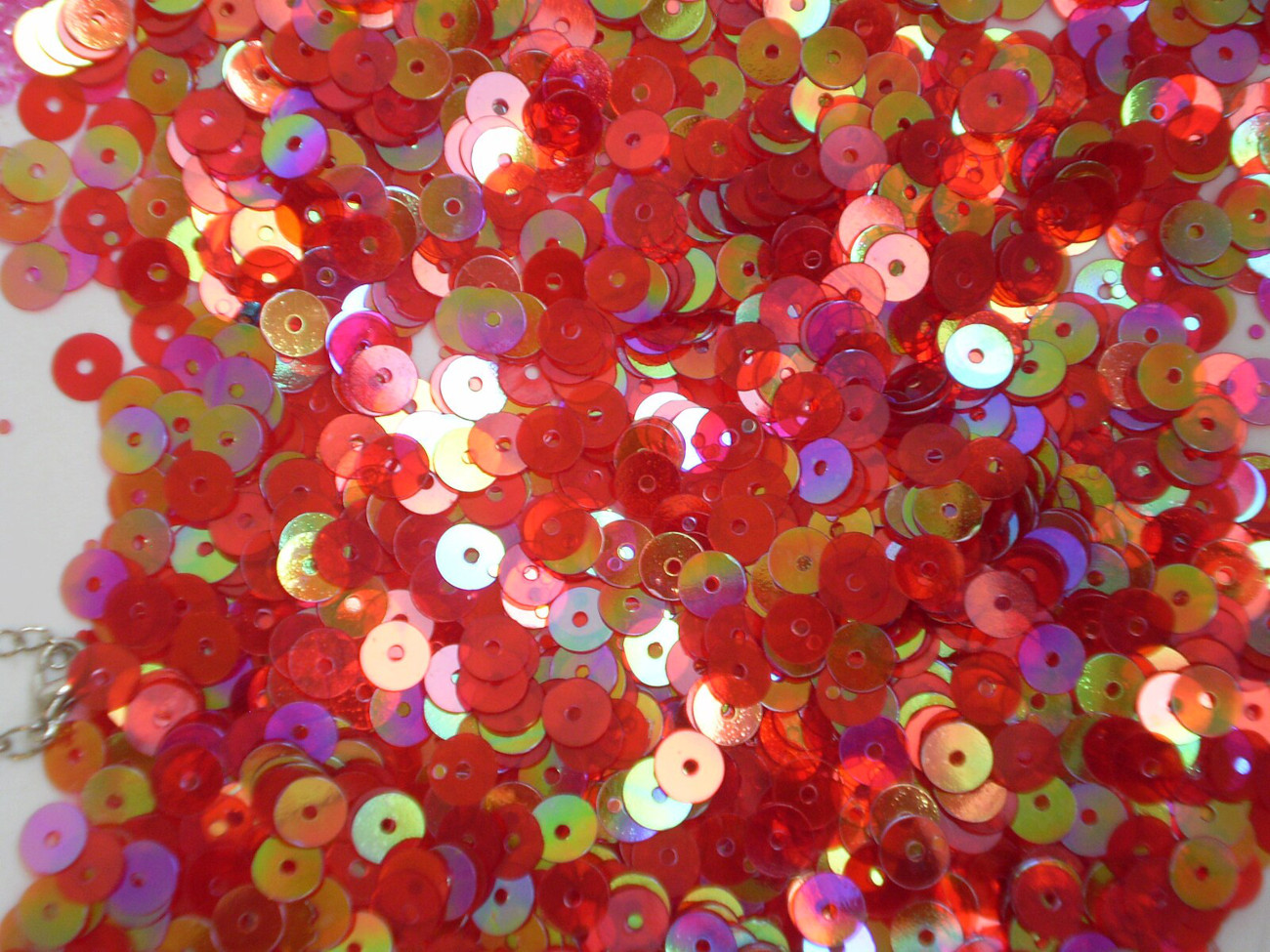
These finicky sequins were finally replaced with acetate sequins. Acetate allowed for the sequins to be molded into refracted concave shapes, which would refract the light better and could be dyed during the plastic melting process and injected with a variety of colors that had more luminosity. These finicky sequins were finally replaced with acetate sequins.
Acetate allowed for the sequins to be molded into refracted concave shapes, which would refract the light better and could be dyed during the plastic melting process and injected with a variety of colors that had more luminosity. Iconic sequined movie props like the ruby red slippers from The Wizard of Oz were a thing of the past. The new sequins were more heat-resistant, making them perfect for countless silver screen debuts, most famously being the red gowns seen in the last scene of White Christmas. These factors ultimately gave sequins that super glittery, ultra reflective shine that’d make them so popular and iconic in Hollywood films and glossy magazine fashion for decades.