These Cheeses That Are Banned In The US

Cheese is one of those magical foods that can make our day into one of heavenly indulgence. Yet when we look through the cheeses at the store, they’re quite a narrow range of what’s available abroad. Here are just a few cheeses that are banned in the US.
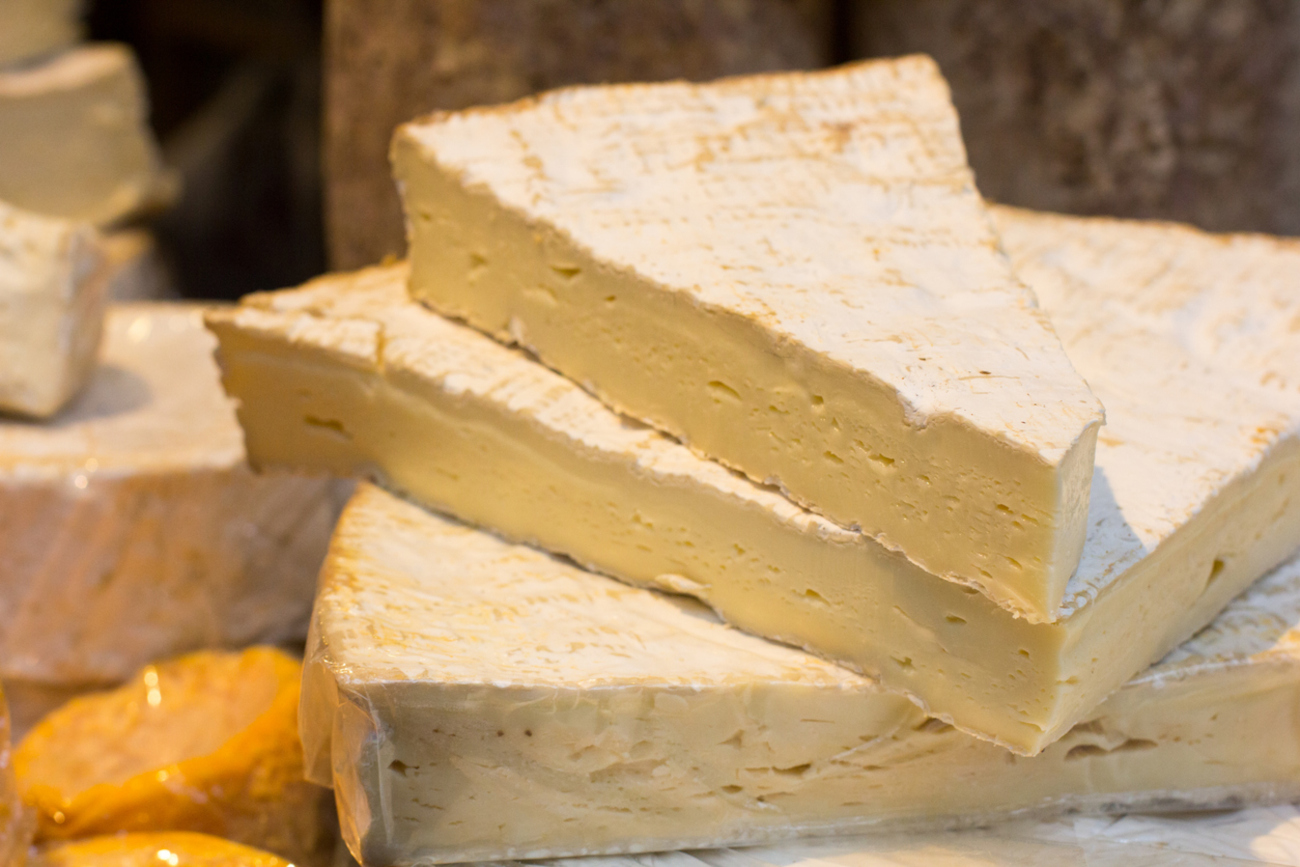
Cheeses fermented for less than sixty days have to be made with pasteurized milk, but many famous French cheeses are made with raw milk. A cheese like Brie de Meaux is mostly famous for being processed under that sixty-day limit, meaning it can’t be sold or produced in the US. Other fermented soft cheeses like Epoisses de Bourgogne, Reblochon de Savoie, and Banon, to name a few, also have this same problem. The pasteurized version can be produced, but the regional item is hard to come by.
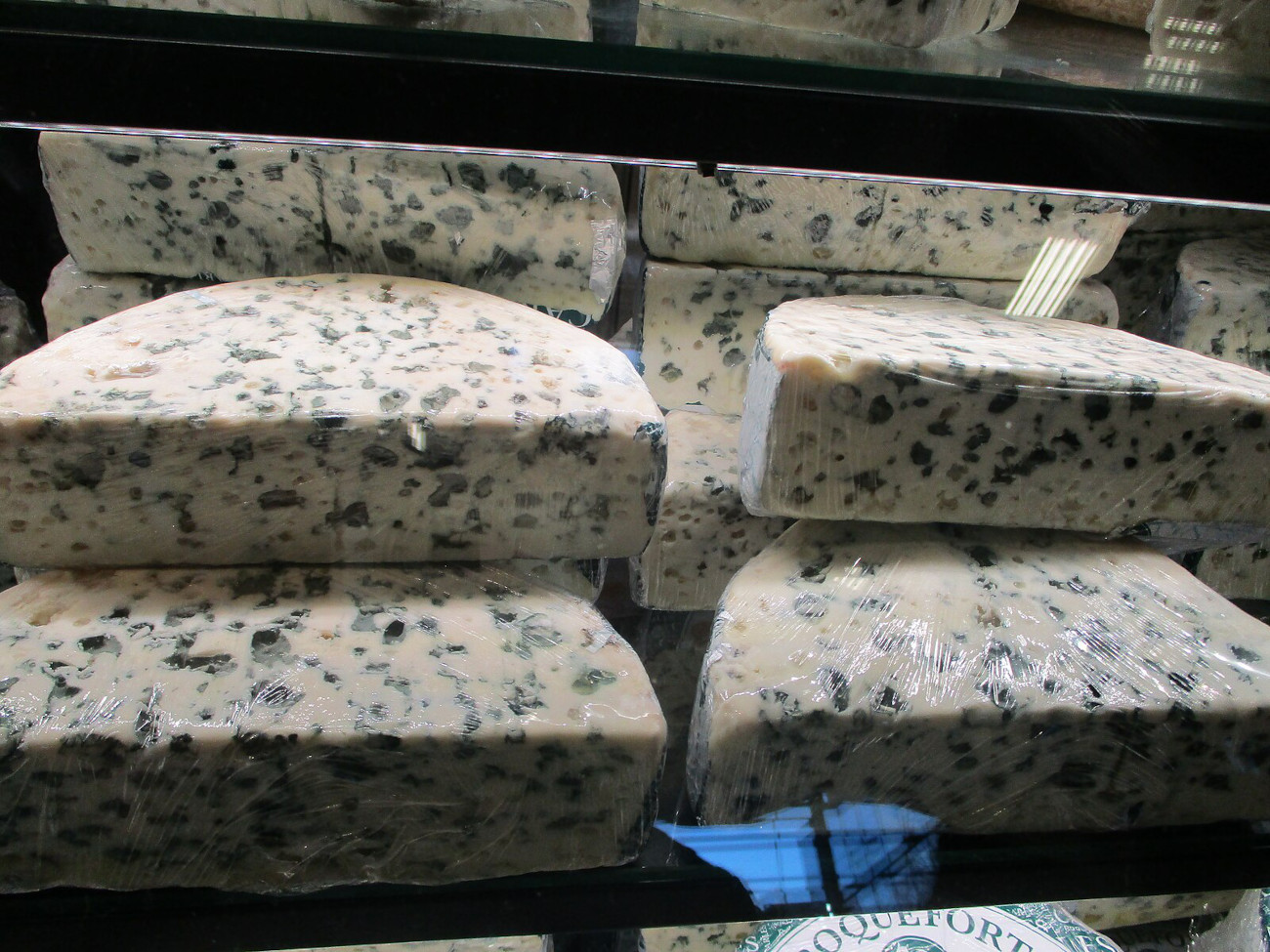
Bacteria in the form of mold can also pose a problem for cheese. Most famously so is Roquefort. Back in 2014, this cheese was banned based on the level of bacterial content that made the mold in the cheese. Recently, the restrictions have been loosened slightly, but it’s on a state-by-state level.
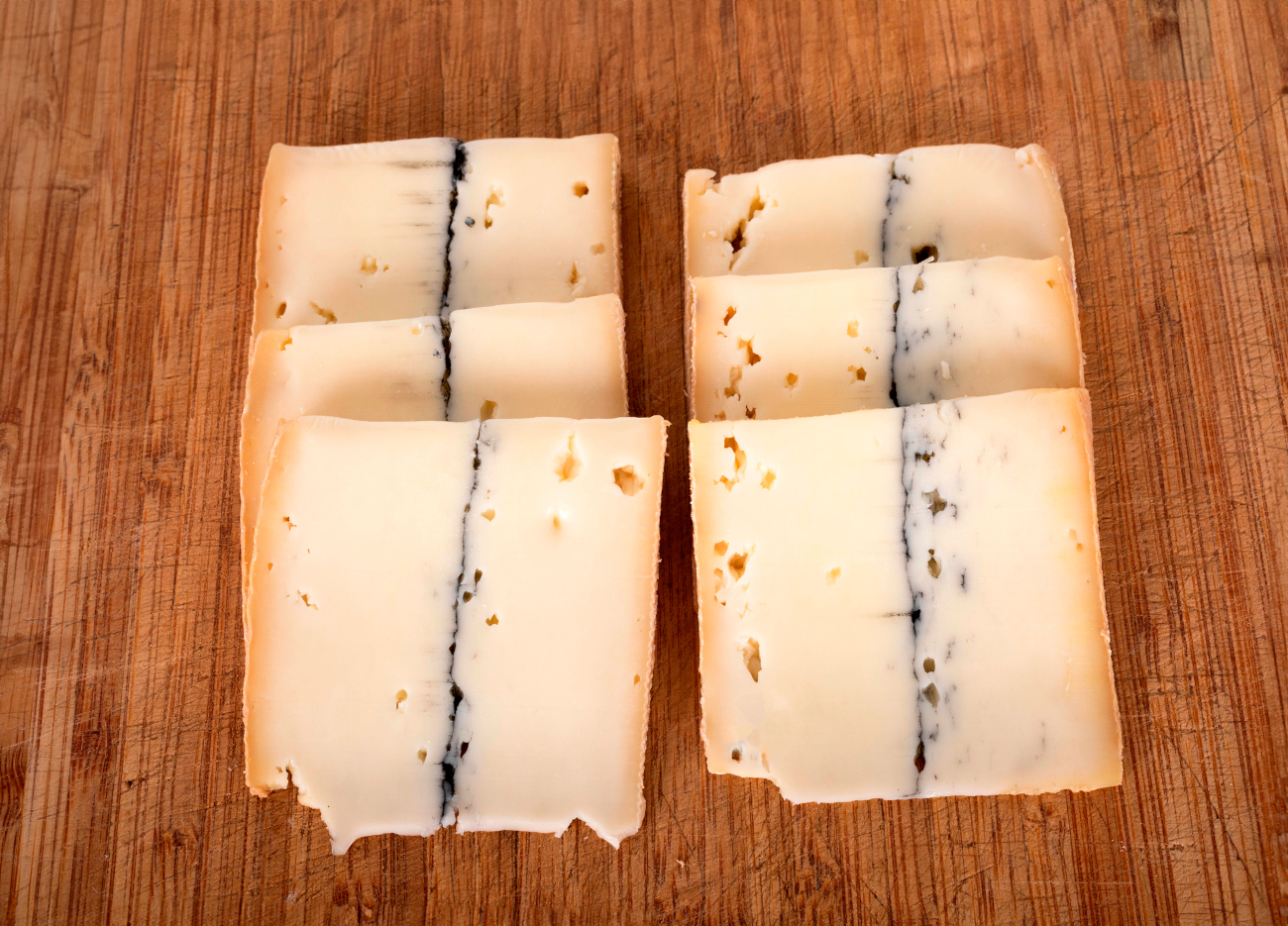
Ash in cheese has been a main reason why certain cheeses are banned in the US, like Morbier and some ash-coated goat cheese. The vegetable ash is added to or onto these cheeses act as a way to neutralize acidity and control how the cheese ages over time. This sort of additive isn’t allowed by US food safety standards.
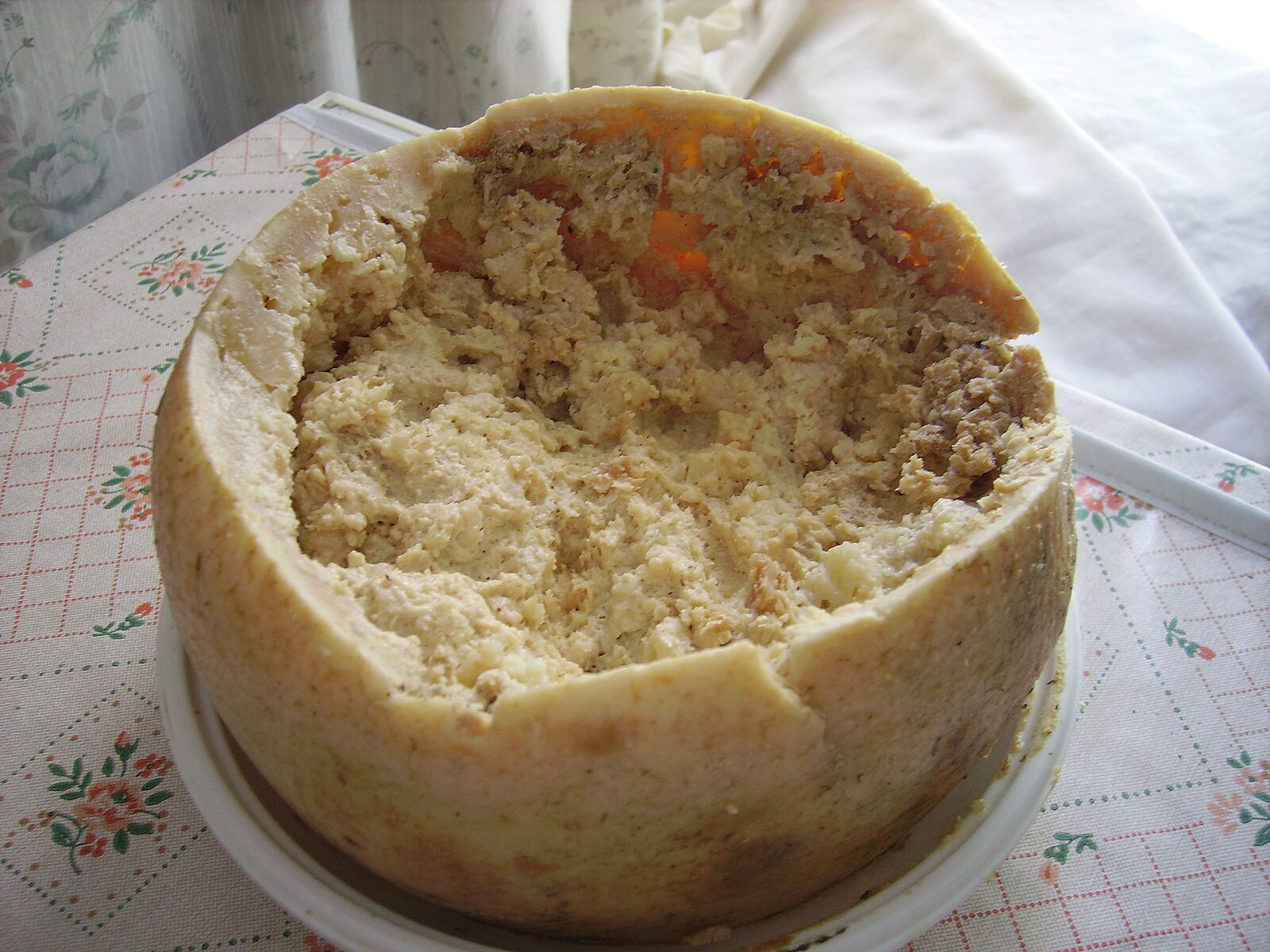
The final cheese is illegal for sale in a lot of regions, not just the US— Casu Marzu. It has several names, but the easiest name for it is “maggot cheese,” and yes, maggot cheese in the literal sense. A specialty of Sardinia, maggots wiggle their way into a firm cheese called fiore sardo. The maggots digest the milk proteins, turning the pecorino-like firm cheese into a soft and creamy cheese. Since it is nearly impossible to separate the cheese from the maggots, the insects are consumed along with the cheese. People are concerned that maggots, which are strong, don’t all die after ingestion and can bite into intestines, making it a no-go for food safety, and it has been illegal in its own country of Italy since 1962.