
Are Dyed Easter Eggs Safe To Eat?

One of the things that many families do when Easter comes around is to decorate eggs. They may hide them for the children to find or perhaps they just do it because it is an old family tradition.
It certainly can make for a colorful Easter but it also leads to a rather interesting question. Is it okay to eat the eggs after we dye them?

Surprisingly, and especially because many of us have been eating them for years, it is not recommended that you do so. In fact, according to Good Housekeeping Institute culinary director Susan Westmoreland, it doesn’t matter if you hide the Easter eggs or use them as a centerpiece, if they have not been refrigerated for over two hours, you should throw them away.
I’m sure that many people are probably wondering why there is so much waste. If you don’t want to eat the eggs, then why would you dye them in the first place?
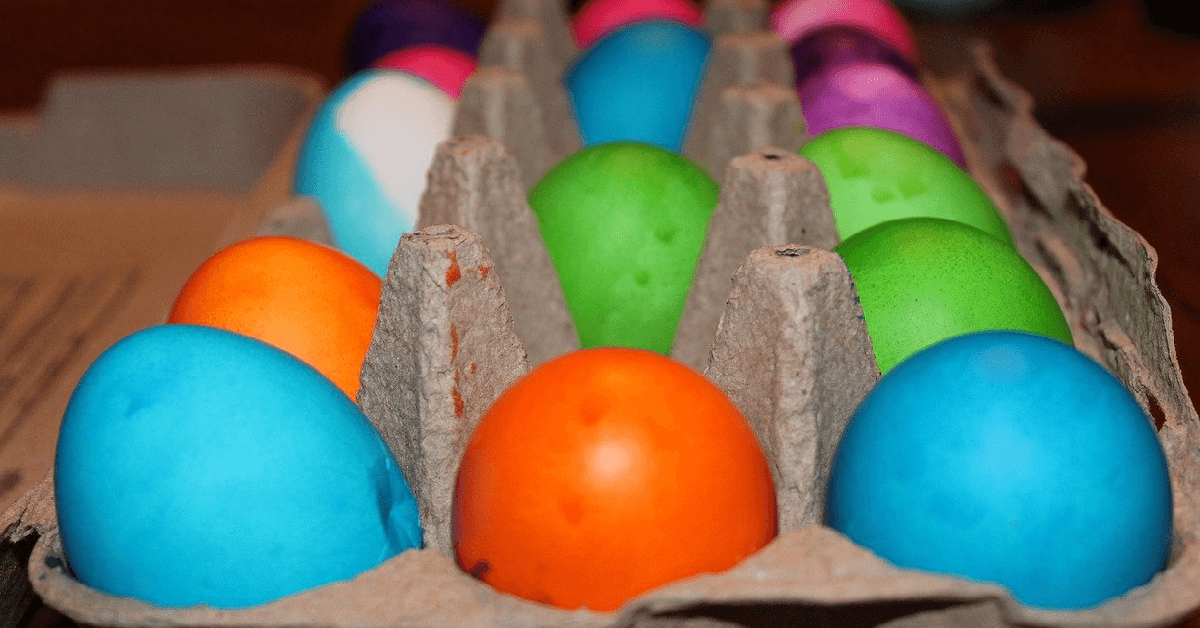
Actually, as long as you keep the eggs refrigerated, even if they are colored, you may be able to eat them under the right circumstances. Here are some things to remember when dying your Easter eggs to ensure that you can have a delicious treat afterward.
First of all, you should only use dye that is made as a type of food coloring. There are plenty of ways to dye Easter eggs and in some cases, you are using toxic materials to do so.
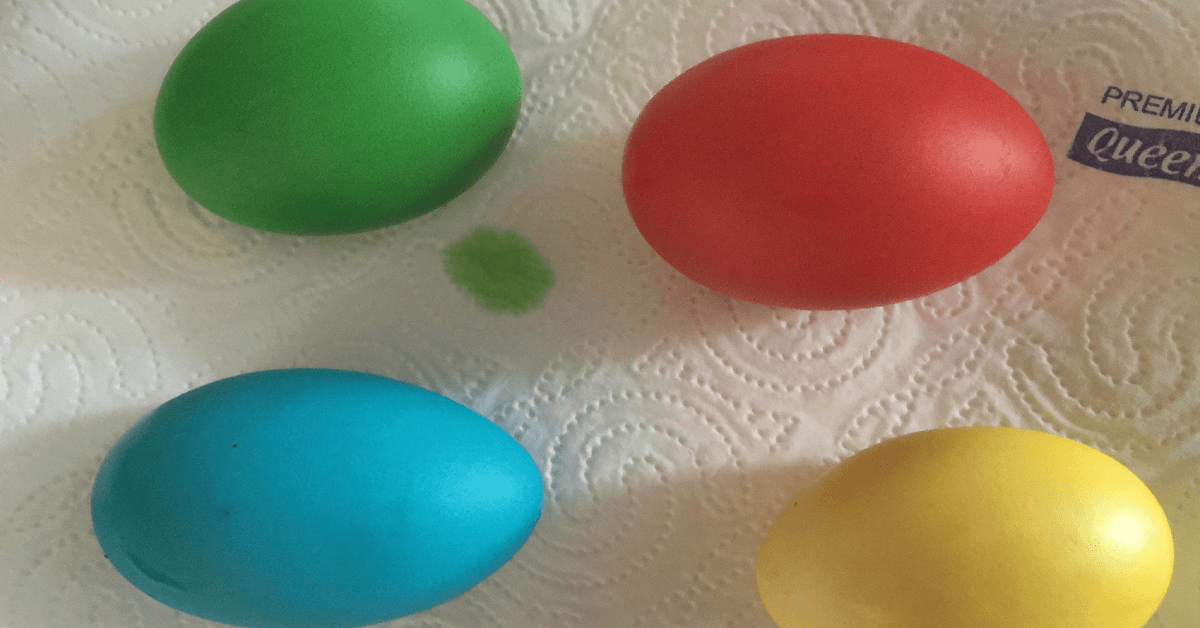
If any of the eggs cracked during the boiling process, they should be thrown away immediately. Those cracked eggs allow bacteria to get inside and before long, you could be sick.
Finally, you can test the egg to see if it is expired using the float test. Put them in a pot of water. If they sink, you can eat them but if they float, you should throw them away.

After coloring your eggs, put them in an airtight container and directly into the refrigerator. Hard-boiled eggs will continue to stay fresh for a week. You should keep them inside of the shell to protect them from any bacteria that may exist and once you peel them, eat them without delay.
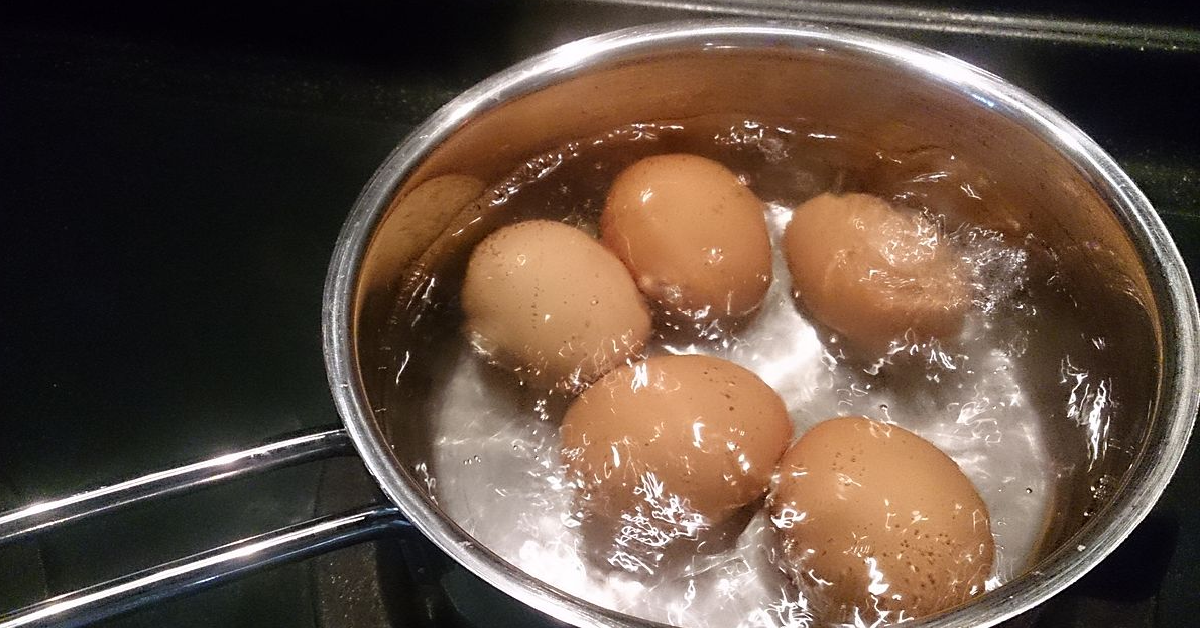
You also should boil the eggs properly. This is done by boiling a pot of water and then submerging the eggs for a minimum of 12 minutes. You should also cool the eggs before storing them. This can be done by putting them in an ice bath or running cold water over the eggs until you can touch them comfortably.