
Apple Varieties From Different Growing Regions

Comparing apples to apples isn’t a one-and-done deal. When you look at a map of the US, apples vary region by region, creating local jewels that might be known, but there are many that are unknown beyond the locals who grow and eat them.
Northeast Apples
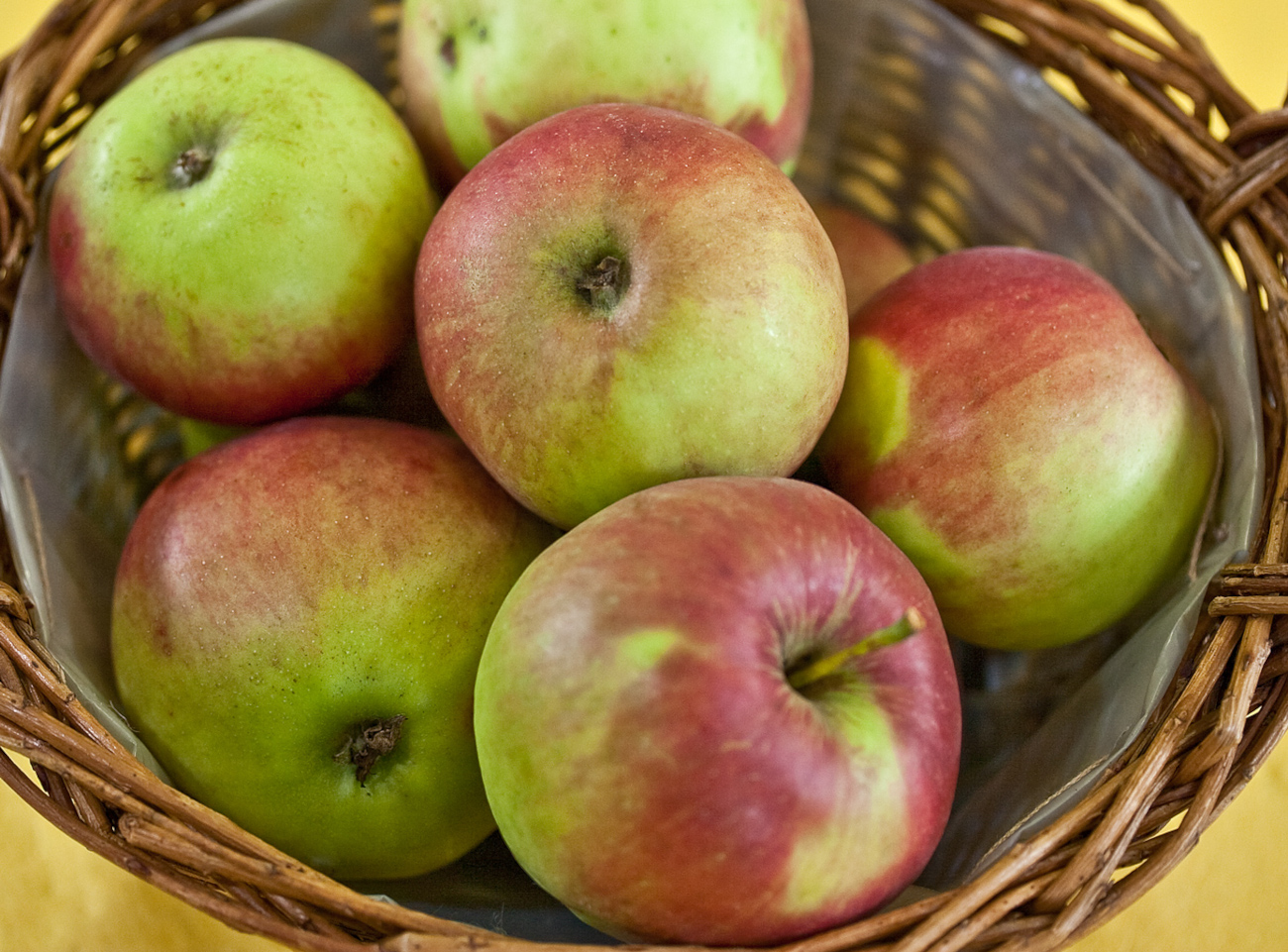
Jonathan
Jonathan apples are purported to have been developed in Woodstock, New York, in the early 1820s and have been a parent to many newer varieties of apples. Their ombre green and red skin exterior houses a flesh that’s mildly sweet, a bit tangy, and packed with a bit of spice.
Cortland
Named after the New York county in which they were developed, Cortland apples were developed in the late 1880s. They have a vibrantly deep red skin striped with tiny lines, with bits of green. A cross between the McIntosh and Ben Davis varieties, the Cortlands have a white flesh that’s both sweet and tart.
Porter
Porter apples hail from the Massachusetts county of Shelburne and have been around since the 1800s. They were hailed in the Fannie Farmer cookbook for their great texture when baking. They are not as sweet as other varieties and have a finer, softer texture.
Scott Winter
Scott Winter apples were developed in the 1860s in Vermont. They are smaller than other apple varieties, but their standout feature is their ability to withstand much colder temperatures. They are not as sweet with a higher level of acidity, making them good for long cellar storage, cooking, and baking.
Midwest Apples
Honeycrisp
Honeycrisp apples are known nationally, but they were produced by the University of Minnesota and have become the state’s official fruit. Unlike other varieties that are bred for transportation, storage, or appearance, Honeycrisp are bred solely for their taste, with a large fibrous cell structure that creates a super crisp bite and a super satisfying sweetness, making them perfect for eating raw.
Red Delicious
Red Delicious dates back to the 1880s in Iowa. They cycled through several names like Hawkeye and Stark Delicious before being labeled as Red Delicious. While they are sweet, the flavor is very mild. The skin is tough, and the interior isn’t particularly juicy, being coined as having a cardboard-like texture.
Enterprise
Enterprise apples were developed in the 1980s by Purdue University in Indiana and released to the market in the early 1990s. While they have a similar tough red skin as Red Delicious, the interior is more juicy and boasts a sweet and tart taste. These apples are most famously used in making candy apples for Halloween.
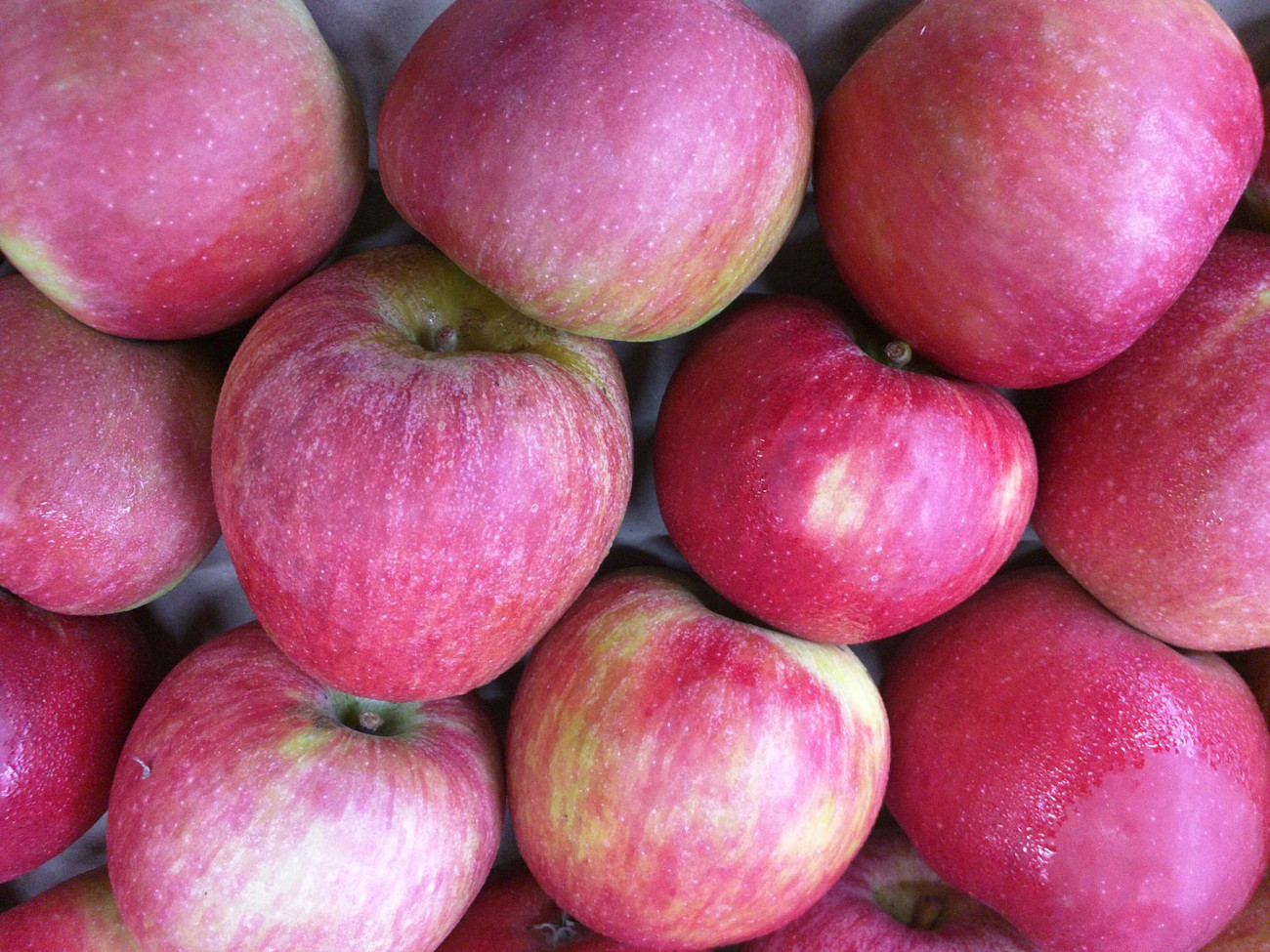
Stayman
In Kansas, the Stayman apple was developed in the late 1860s. They have a prominent red and green skin coloring. While they are tart and sweet, they also have a fair share of robust spiciness to their flesh.
West Coast Apples
Cameo
In 1987, Cameo apples were discovered in Washington state. The striped design is indicative of their pedigree—half Red Delicious and half Golden Delicious. While the flesh is creamy and dense, it also has a crisp and juicy texture.
Hawaiian
You may think that Hawaiian apples would hail from Hawaii; they actually originate in California and have been produced since the 1940s. The waxy yellow skin seals in the crisp, juicy interior.
Pink Pearl
Pink Pearl apples are probably the oddest of the varieties. Developed in Eureka, California, in the 1940s. They don’t travel well, with the skin and flesh prone to bruising, making them hard to transport over long distances. But the interiors are something to be seen—the flesh has marbling of pink. They can be sweet or tart, but the flavor really depends on the season and when they’re picked.
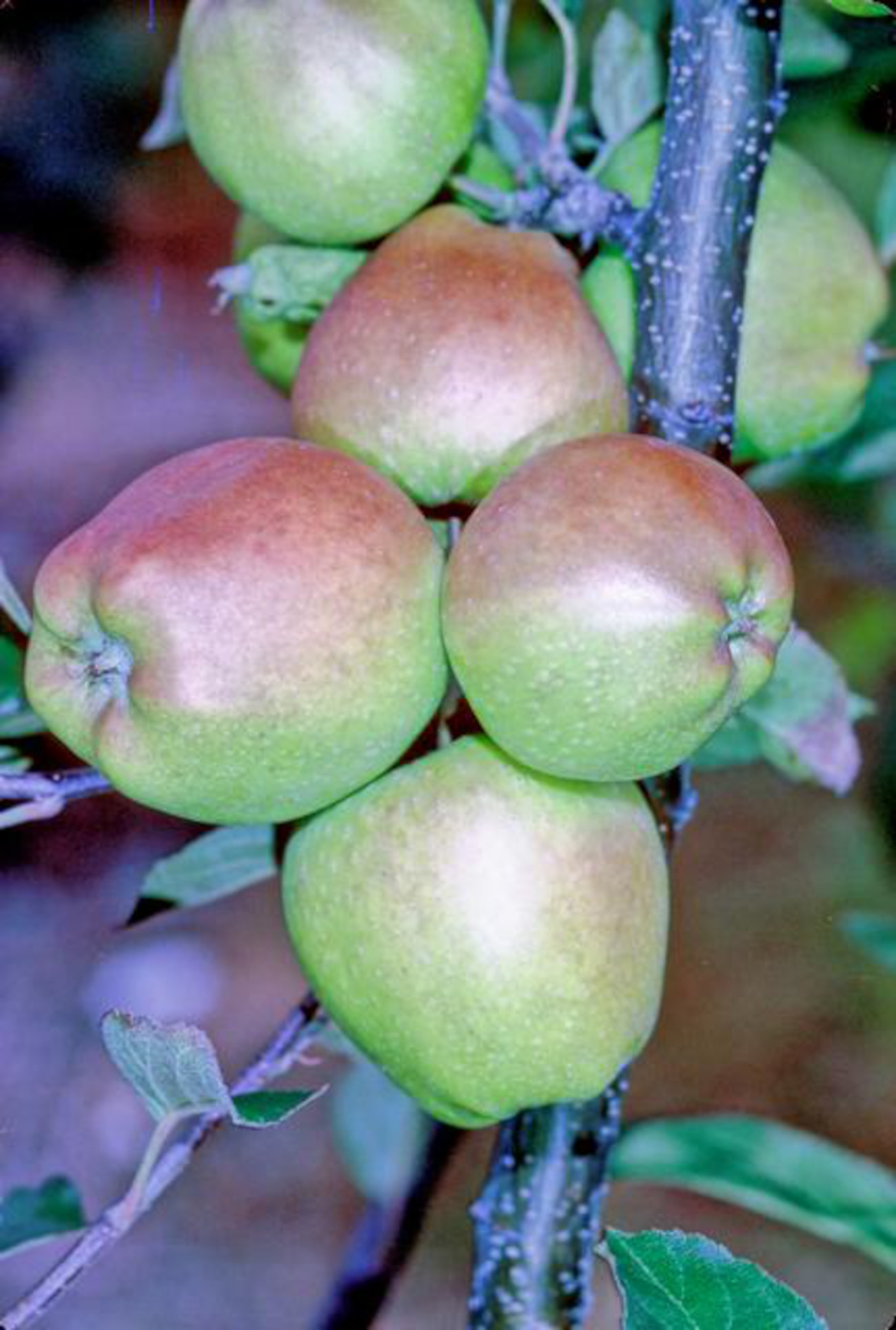
Criterion
Washington State’s Yakima Valley produces a super crispy and crunchy apple called Criterion. Produced from the early 1970s, Criterion apples are a cross between a Red Delicious, a Golden Delicious, and a Winter Banana.
Southern Apples
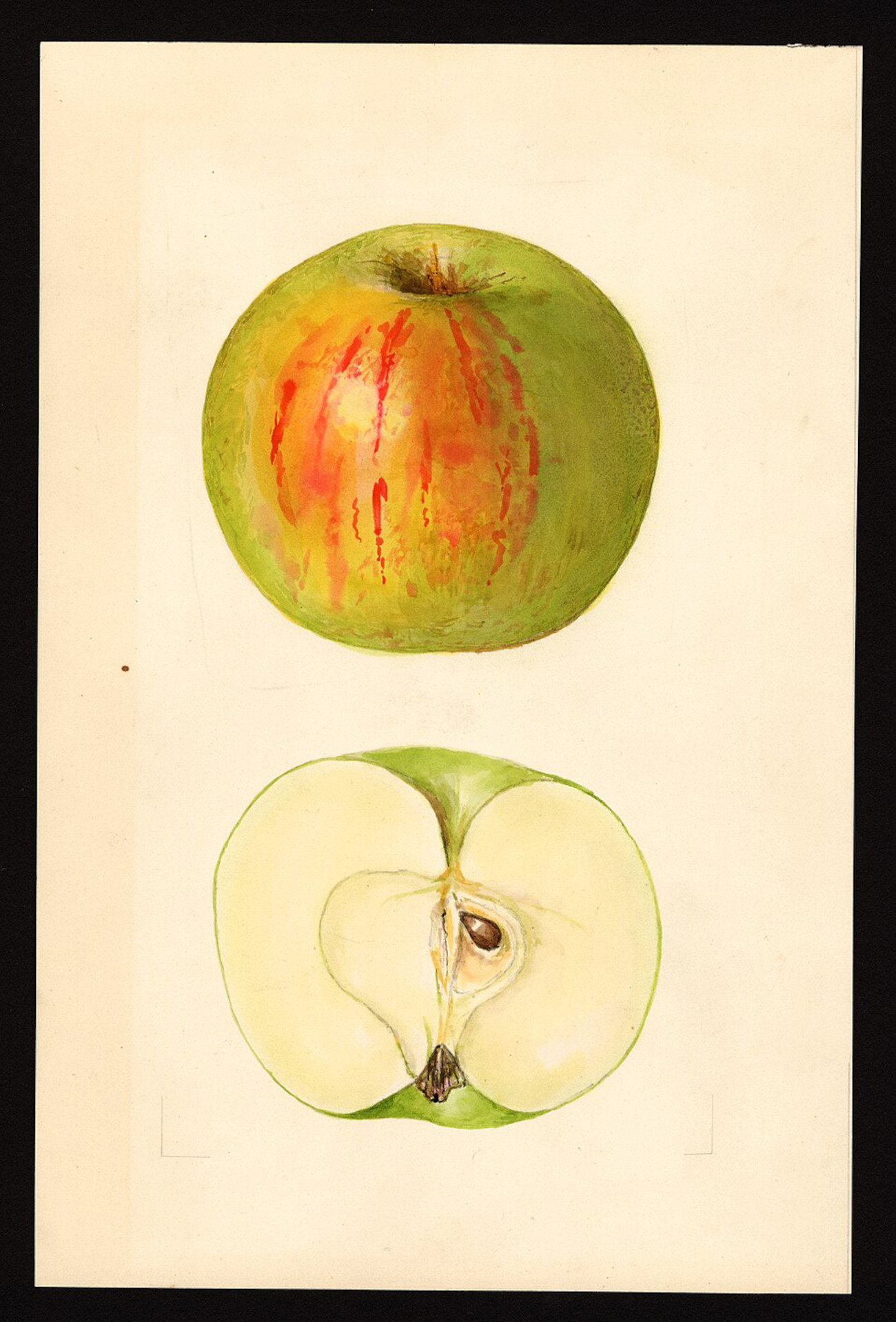
Cauley
Hailing from Grenada, Mississippi, Cauley apples are known for their sweetness and their easy ability to grow in the heat of the South. They are harvested in August. When grown in the South, they have a green skin, but it becomes a deep red when grown in the North.
Chickasaw
Produced in Chickasaw County, Mississippi, Chickasaw apples are known for their hearty, abundant harvests. While they have bits of red in the skin, they mostly have a green hue. They have a great taste when fresh, with a balance of sweet and tart.
Yellow Hamilton
The South’s version of a Golden Delicious, this Yellow Hamilton of Hamilton, Alabama, is a variety that has a great level of sweetness but can survive the intense heat.
Cotton Gin
Cotton Gin is a sturdy variety grown in northwest Alabama. They are sweet, firm, and store well for long periods of time. They are both heat and drought resistant, making them great for troublesome climates.