
7 Simple Ways to Make Meat More Tender

Getting your meat as tender as possible shouldn’t be left to chance. You want to cook with the certainty that you’re creating the best possible version of each meal in the kitchen. Contemporary cooking requires different methods of tenderizing meat cuts to get the most out of a recipe, dish, or snack, with a variety of techniques designed to make meat more tender, juicy, and flavorful.
The good news is that the tenderizing tips below are all simple. While some of these applications may take more time than others, there’s no doubt each can make a huge difference in cooking, roasting, and grilling results, with only a little extra effort in preparation.
1. Salting and Dry Herb Rubs
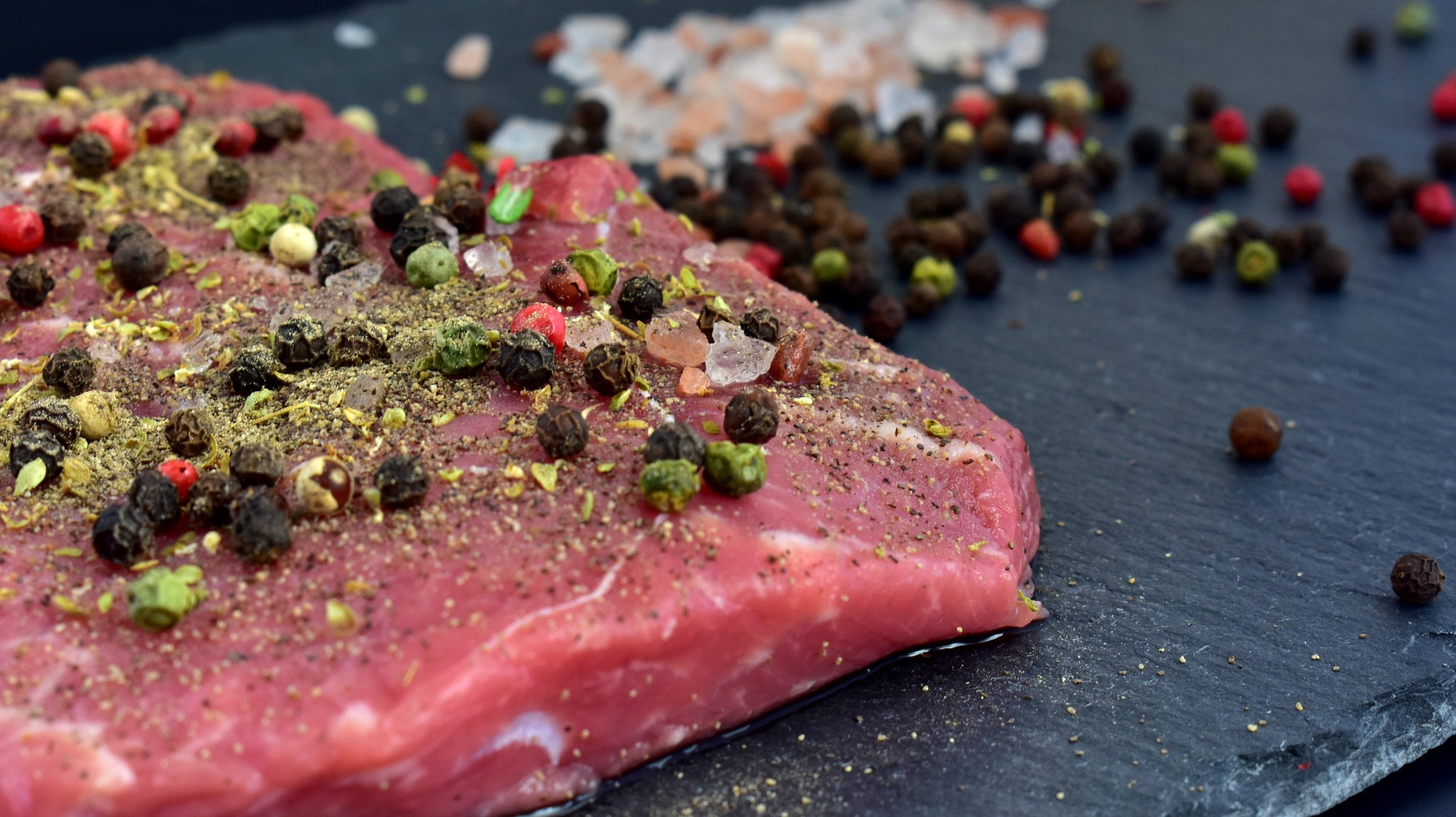
Depending on the overall purpose (salt can be used in creating jerky or in curing etc.) of your salt use, when salt is absorbed into the meat, it breaks down the protein cells and helps significantly when tenderizing prior to cooking. This can extend to a variety of dry rubs, which is my preference for lengthy dry marinating. Not only do the herbs and spices tenderize, but they also do a wonderful job of creating tremendous layers of flavor when cooked.
2. Tenderizing
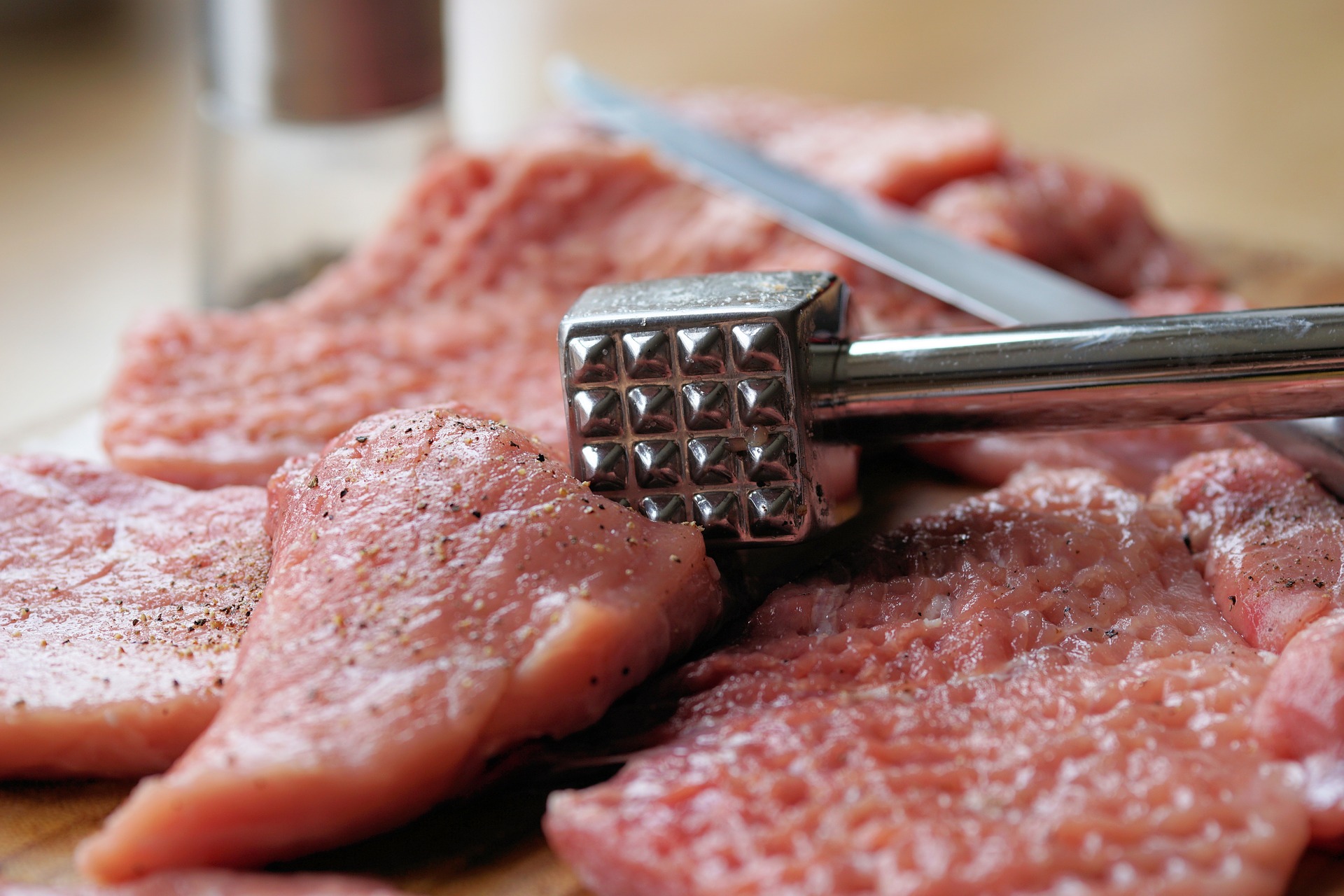
Arguably the simplest way to tenderize your meat is by beating it with a meat mallet (although these days you can use a machine to do the same thing). Not only does it break down the meat into thinner, more pliable pieces, bashing up a piece of meat is a hugely underrated stress-relieving activity. Just make sure that you cook the meat for a much shorter time period after giving it a ‘rough massage,’ or your hammering efforts will likely be wasted.
3. Velveting
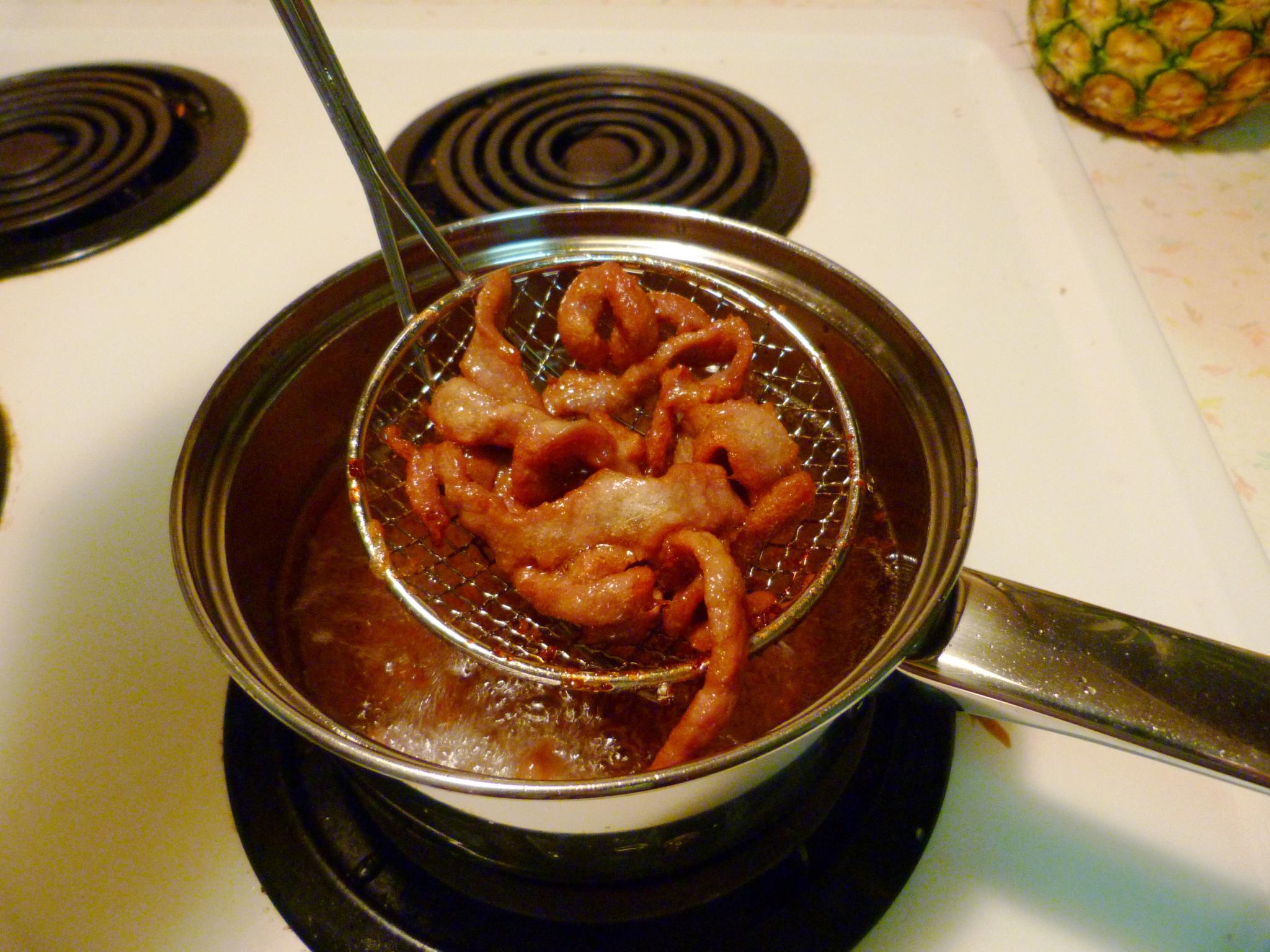
Velveting is a popular process in Chinese cuisine. It takes an economical cut of meat and tenderizes it just before cooking to create a range of succulent dishes. The velveting process involves coating and marinating desired-sized pieces of meat in a mixture of corn starch, rice wine, egg whites, salt, sugar, and soy sauce for about 30-45 minutes.
Click here for our in depth article on velveting meat and different techniques to aid in the process.
4. Sauce Marinades
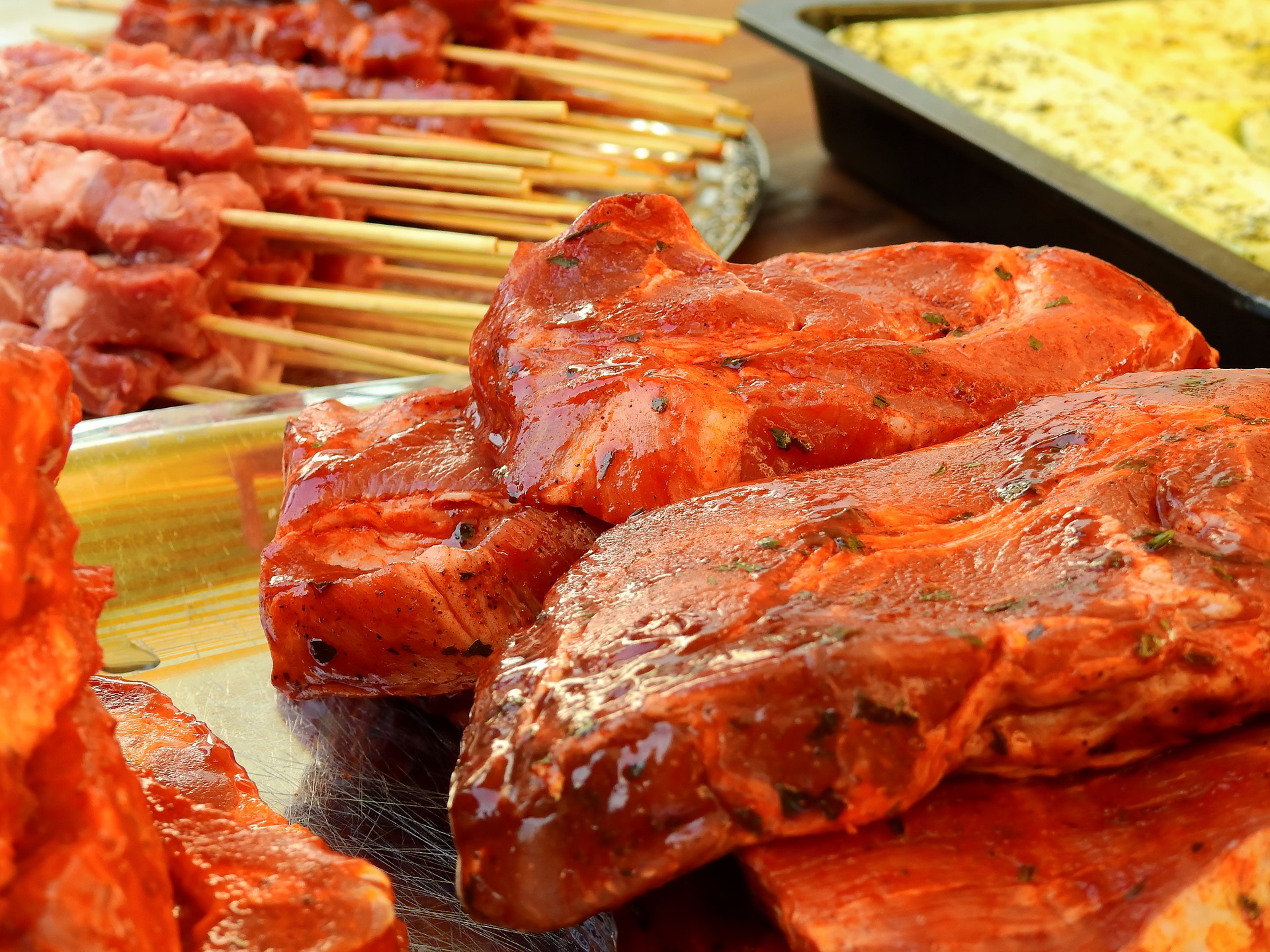
Many cooks employ some variation of dry marinating and sauce marinating their meat – as much for creating a distinctive grouping of flavors as much as for making your protein choice more tender. If your goal is to break down the meat into juicier pieces, aim for a marinade that uses acidic qualities, such as soy sauce, balsamic vinegar, and citrus juices.
5. Cutting Against the Grain
Cutting your meat against the grain, either before cooking (stir fries,) or after cooking and just before serving (steaks, roasts etc…) makes the meat easier to chew and gives the suggestion that the meat is more tender. Cutting against the grain means cutting through the meat’s fibers to shorten them, rather than cut in the same direction that they run and keep them at a more arduous length for consumption.
The clip above shows you the right way to cut meat against the grain, and why it’s important for inexpensive cuts of meat.
6. Cook it Low and Slow
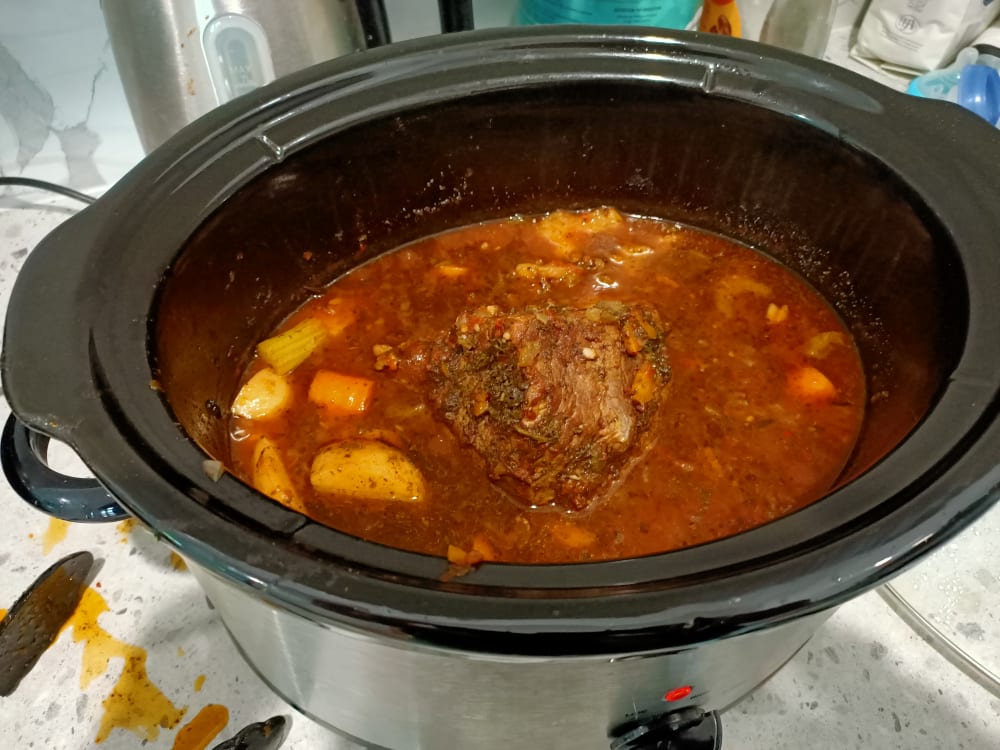
More of a lifestyle choice than cooking method, the low and slow approach is the most time-consuming, yet most enjoyable method to ensure that your meat is tender and juicy. Meat that is cooked over low heat for a longer period of time gives it a chance to load up on flavor, while the fats and tendons break down over time creating juicy, delectable meat, whether you’re using rough cuts like chuck and blade, or better cuts such as sirloin.
7. Be Technically Savvy
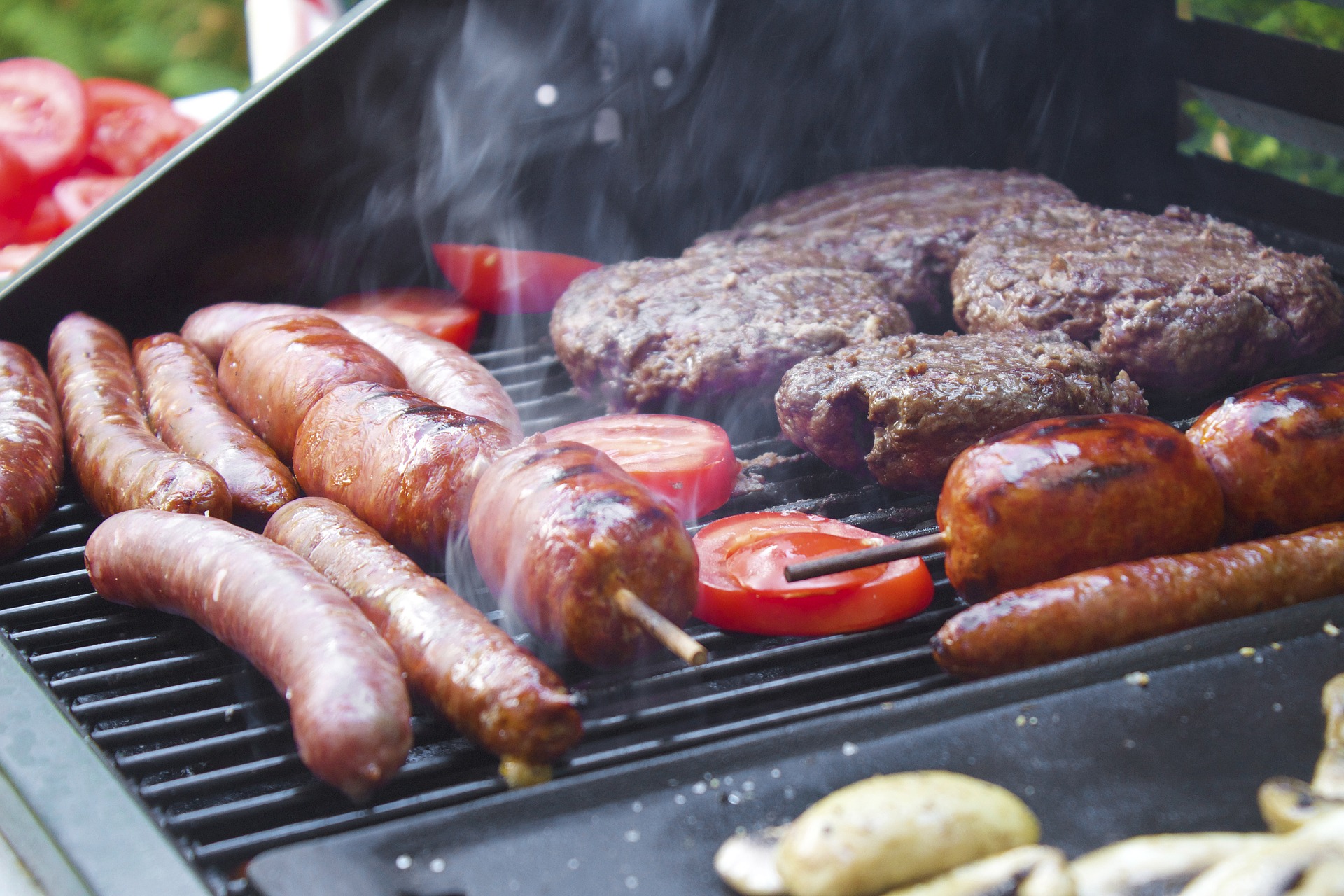
This point is more a series of cooking behaviors than any one specific thing. Be smart about your cooking process; let your meat warm to room temperature prior to cooking, cook it to the right internal temperatures for the cut your using, and rest your meat before serving. Each of these makes a huge difference to the outcome. Even knowledge of the cooking top, oven, or barbecue you’re working with can have a huge effect on the presentation and taste of the meat.
Conclusion
Being smart and utilizing one or more of these methods will take your cooking to another level. It’s much better to have a meal remembered for being succulent and tender, rather than being as tough as old boot leather!